
Care Guide
How to Clean a Pleated Fabric Lampshade Without Damaging It
A pleated shade can look clean in daylight, then show grey lines as soon as the lamp is switched on. Light passing through the fabric makes dust in the recessed folds much easier to see. Those folds give the shade its soft structure, but they also create narrow ledges where lint settles.
Aggressive cleaning is rarely appropriate. Pressure can flatten a pleat, moisture can leave a tide mark, and rubbing can spread a small blemish. A dry-first routine protects the textile and the shape of the shade.
Why pleats show dust so readily

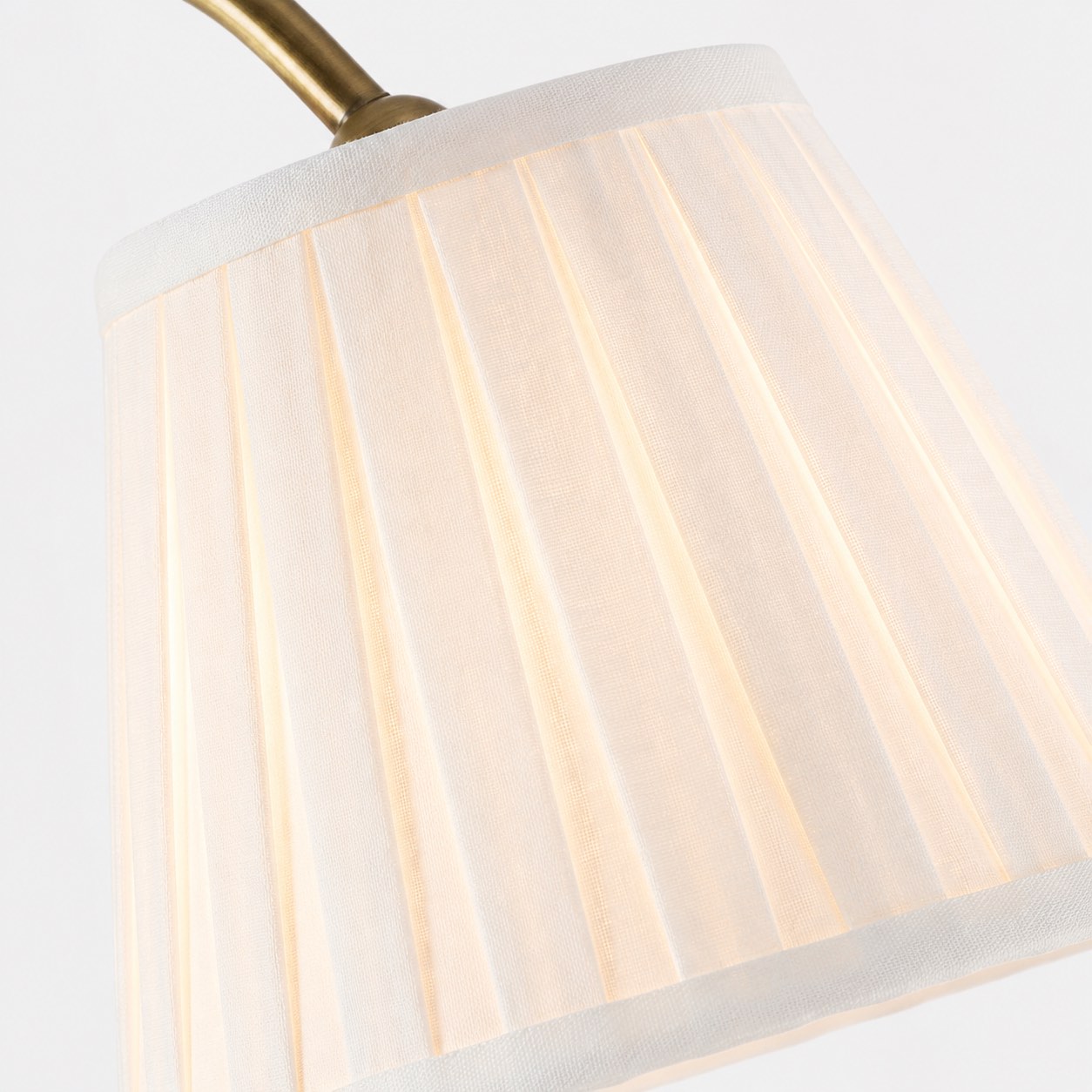
On a flat shade, loose dust is relatively easy to see and lift. On a pleated shade, particles collect where the fabric changes direction. The outer ridges catch household lint; the recessed folds shelter it from ordinary air movement. Once illuminated, those deposits interrupt the passage of light, so a clean ridge may glow while the next dusty fold looks grey.
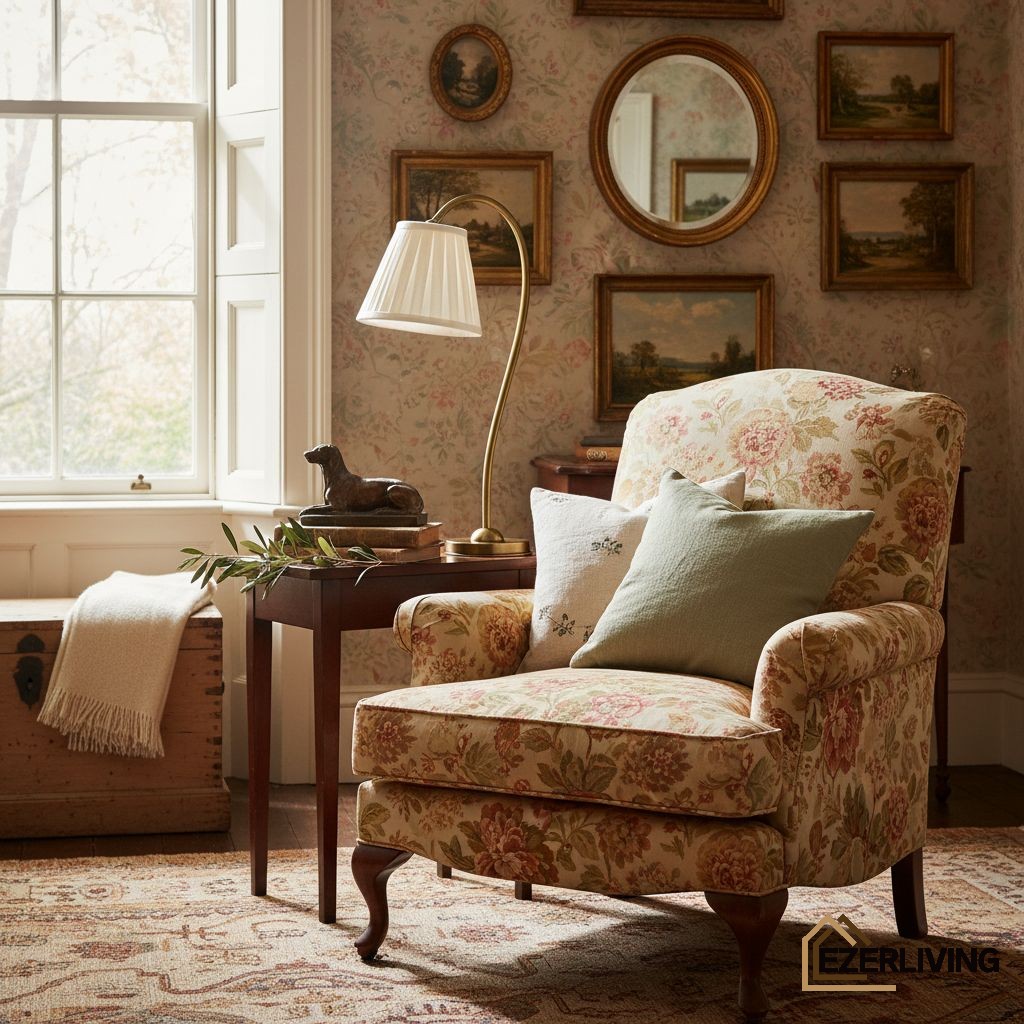
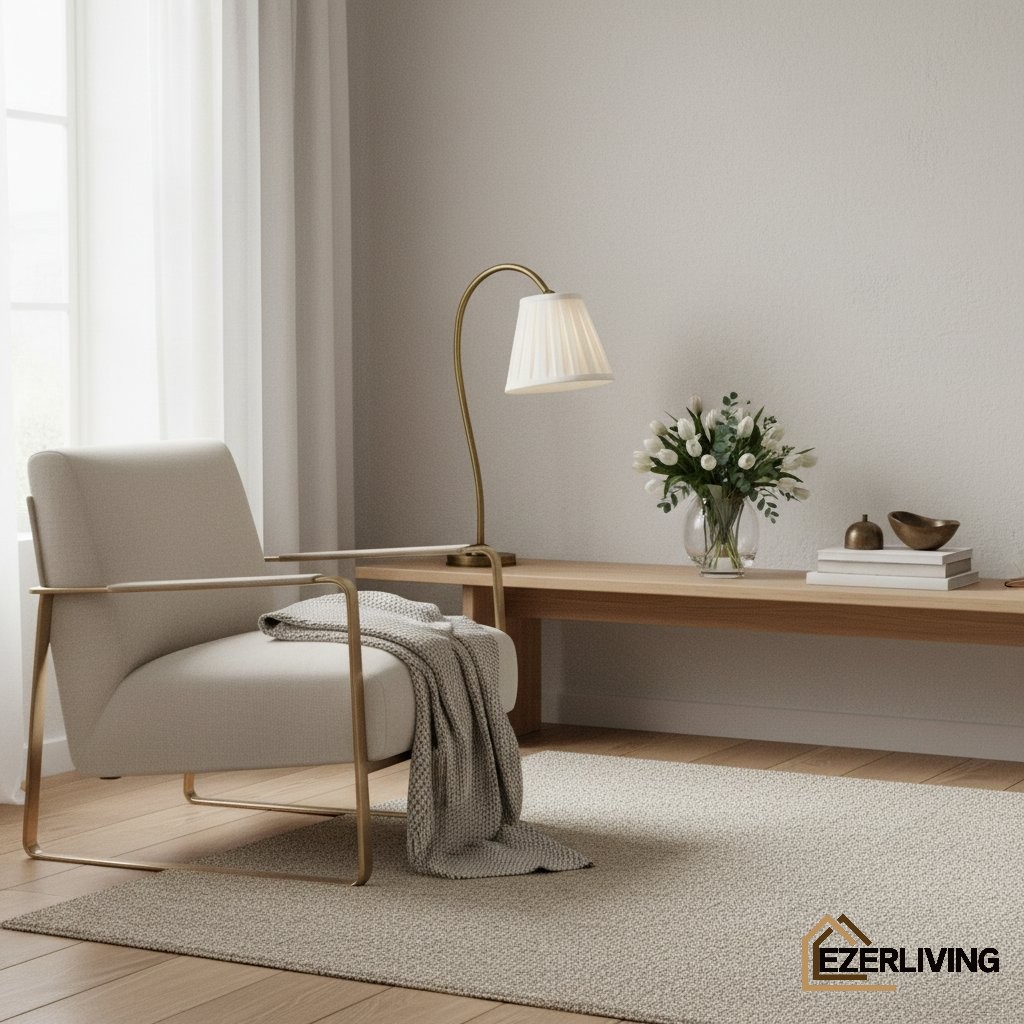
A bedside lamp sits near bedding and clothes that release lint. An entry console gathers particles from coats and open doors. A living-room table near upholstery receives everyday household dust even when the room appears tidy.
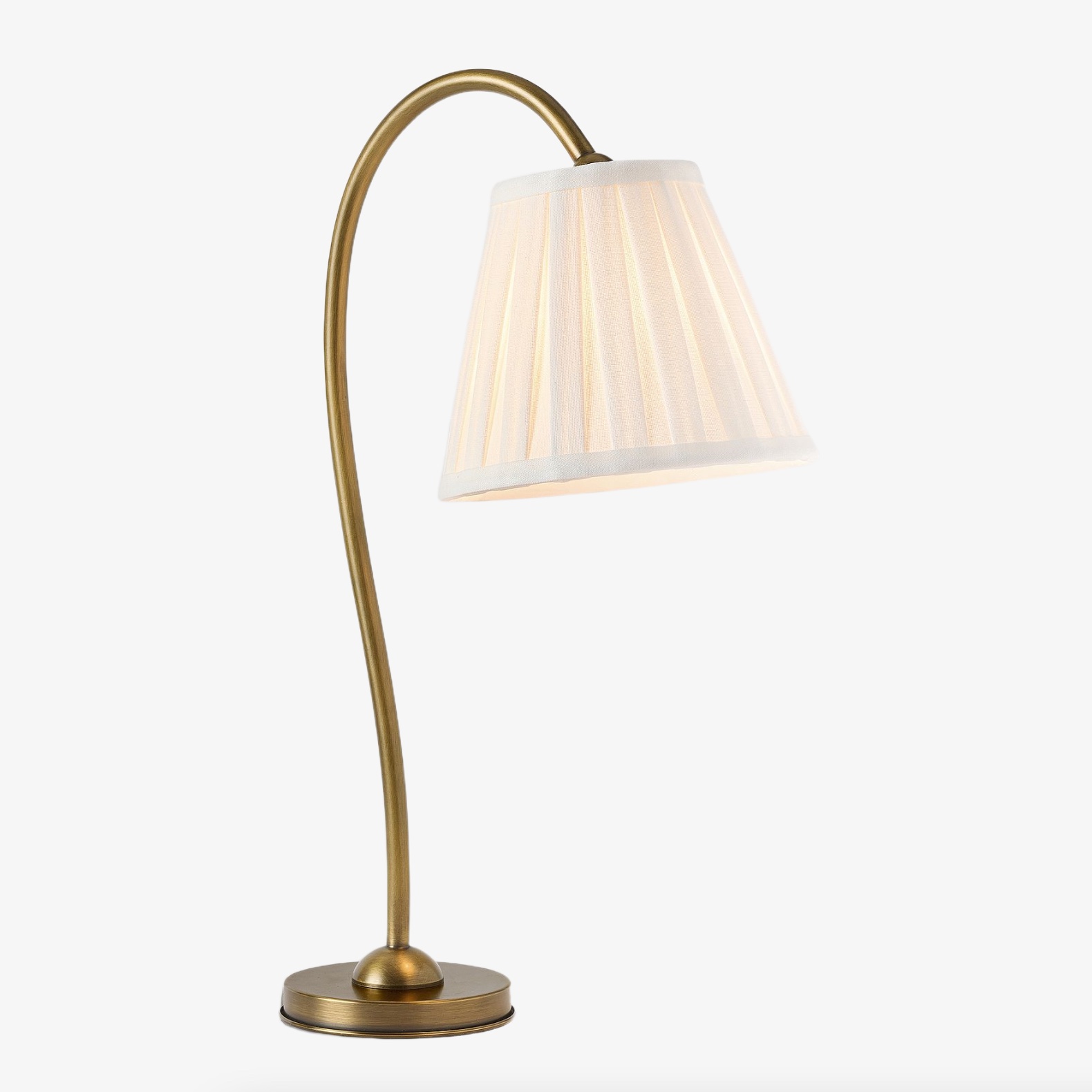
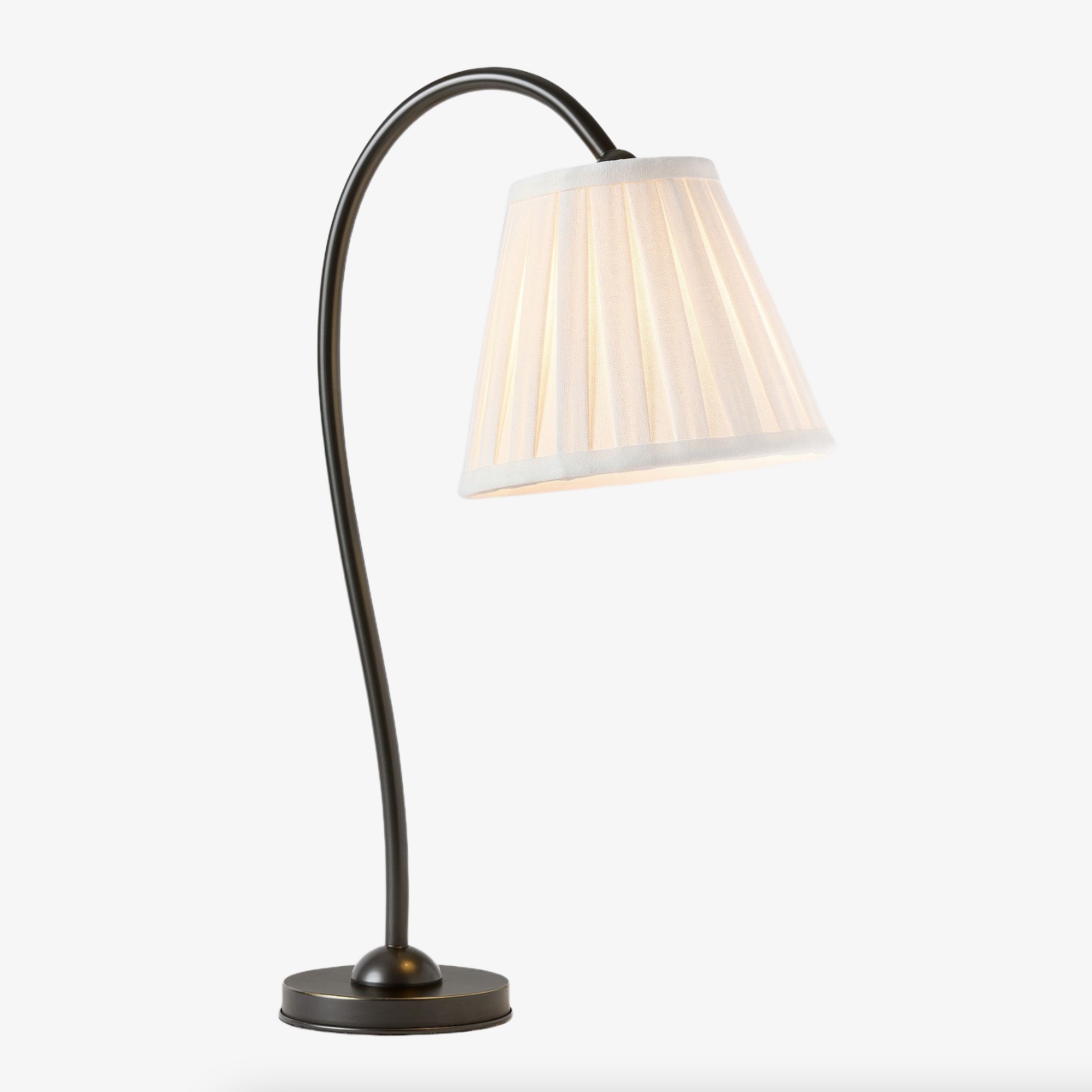
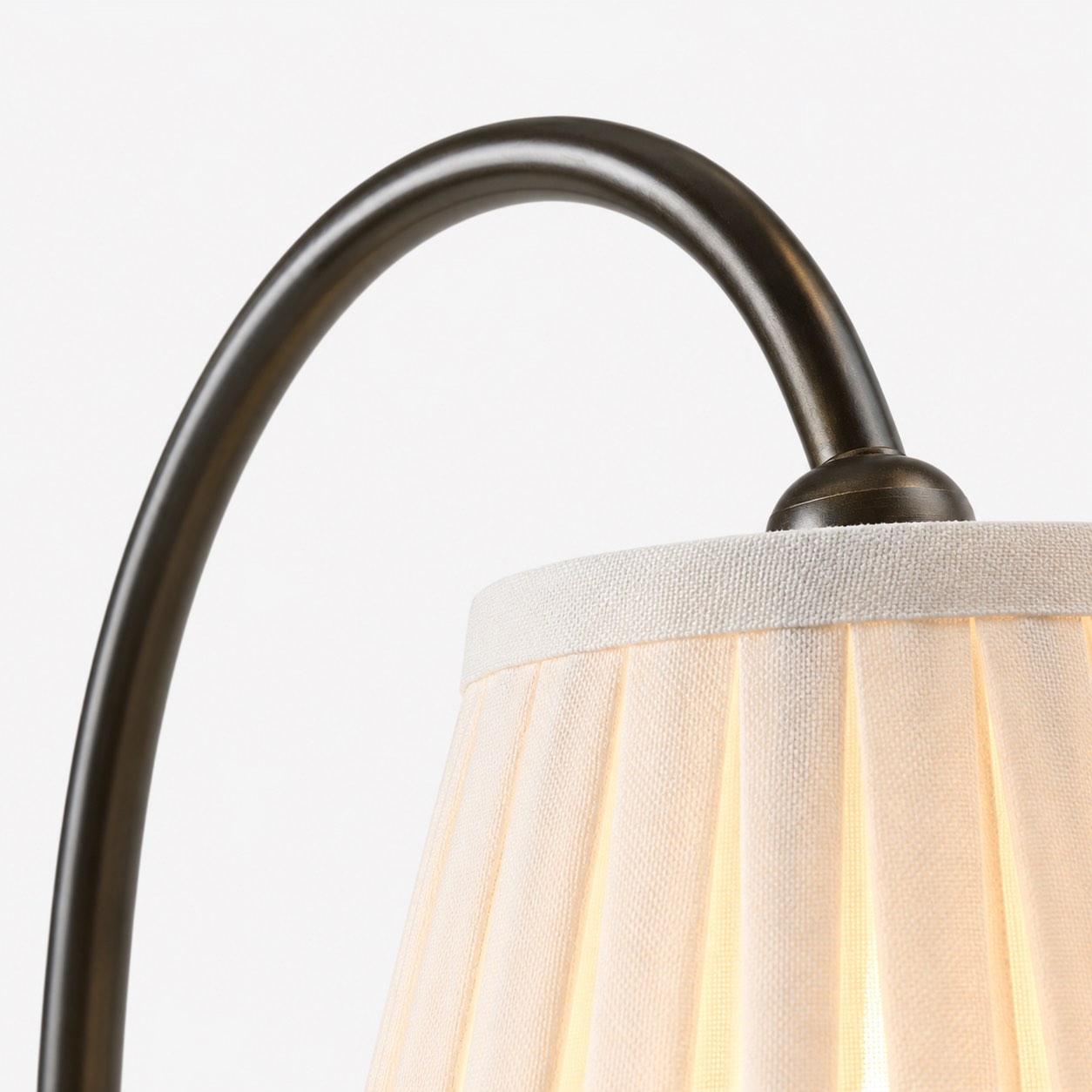
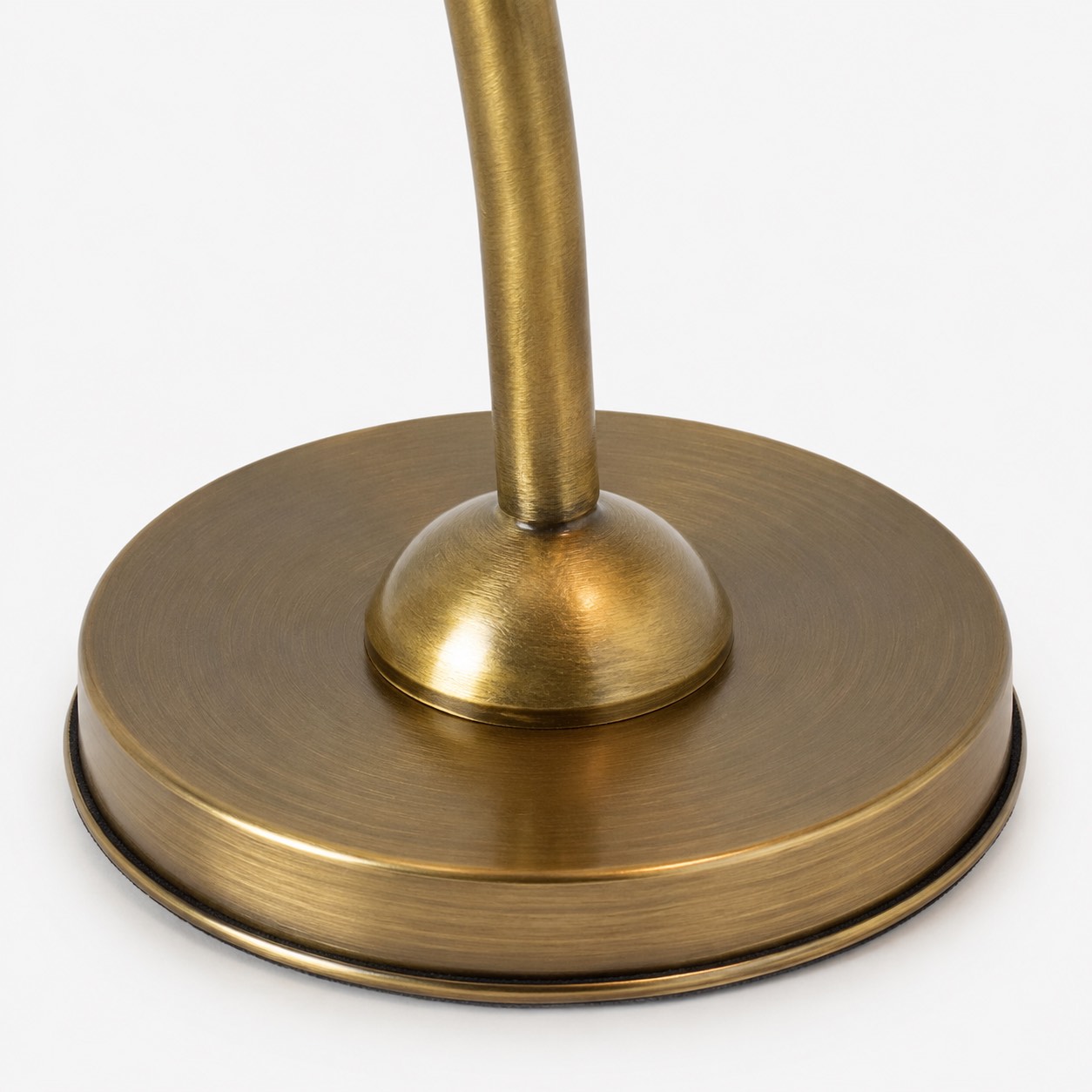
The Luvora Textured Pleated Shade Table Lamp combines a slim metal silhouette with a textured pleated linen shade. Its official dimensions are 22.7 cm wide, 12.7 cm deep and 50.8 cm high. Readers judging that balance of metal, linen and scale can compare the verified dimensions and materials with their intended surface.
Prepare the lamp, the room and your hands

Disconnect the lamp from power and allow the bulb and fittings to become completely cool. Do not clean around a warm bulb or rely on the switch alone. Clear the tabletop so that a brush, cloth or loosened dust cannot knock into another object. Natural side light reveals dusty folds without the heat and glare of the lamp itself.
Set the lamp by its base on a firm, level surface before beginning. Never stabilize it by squeezing the shade, bracing a pleat or pushing the fabric against the frame. Start with clean, dry hands, remove jewellery that could snag the textile, and place a clean towel beneath the lamp to catch dust. If the shade or any component appears loose, do not improvise a method of removal. The product information does not establish that this shade is removable or washable, so clean it in its normal position unless the manufacturer provides model-specific instructions.
Choose the gentlest useful tools
A clean, very soft brush is the most controlled first tool. A soft artist's brush or dedicated lampshade brush can reach into folds without forcing them open. A clean, dry microfibre cloth may suit accessible ridges, but pat or lightly sweep rather than drag it across the weave. A lint roller can pull at textured fibres and distort delicate pleats.
Vacuuming deserves particular caution. High suction can draw fabric out of shape or pull a shade towards a nozzle. Unless the manufacturer approves vacuum cleaning, a brush gives better control. If guidance permits a vacuum, use the lowest effective suction, keep a protective screen over the nozzle and avoid touching the fabric.
A top-to-bottom routine for every fold

Begin at the upper edge so released dust falls onto areas not yet cleaned. Keep the lamp stable by the base; do not hold, squeeze or press the pleats. Guide the brush from top to bottom, following the direction of the fold. Clean one face, then the other, moving around the shade consistently. This prevents cleaning the obvious front while leaving the back dusty.
Use short downward strokes inside the valleys rather than pushing the brush deeply into them. The aim is to lift loose particles, not reshape the pleats. Pause every few folds to clean the brush away from the lamp. Otherwise, it carries dust onto the next section.
Finish with the upper and lower edges, where dust gathers along seams and frame lines. Look across the shade in side light, then stop once loose dust has lifted; repeated brushing can wear the surface.
Before touching a pleated shade for the first time, study the official product photos to understand its normal profile and texture.
Water, stains and the point at which to stop

Dry dust can often be lifted, but a stain calls for a different decision. Linen can react visibly to water: local dampness may darken fibres, create a ring or alter the sizing that helps the shade hold its form. Household sprays, upholstery foam, soap solutions and stain-removal pens add risk because the shade's dyes, backing and treatments are not specified.
Stop if the fabric pills, the pleats soften, colour transfers to the cloth, a seam shifts, or the frame moves. Also stop when a mark does not respond to gentle dust removal. A set-in mark, greasy deposit, water line or possible mould needs model-specific advice rather than more pressure or liquid. Photograph it in neutral daylight and contact the manufacturer or a lampshade specialist.
This limit is especially important with pale shades. A scrubbed patch may become more conspicuous when illuminated than the original spot. Remove loose dust, but leave an uncertain stain alone until you have appropriate guidance.
Check stability and clearance before switching on

If any part was moved under explicit manufacturer instructions, return it exactly as directed. Confirm that the base is stable on the firm surface, the shade sits straight, and no fabric edge touches or leans towards the bulb. Check the exterior clearance between the shade and any wall, curtain, books or dried foliage. Do not guess at bulb wattage, shape or compatibility: follow the lamp's label and manufacturer guidance.
Remove the towel, tools and fallen dust before reconnecting power. Switch on while standing beside the lamp and watch briefly. If there is an unusual smell, movement or any contact between the fabric and bulb, switch off and unplug the lamp immediately. Consult the supplied instructions or manufacturer before using it again.
If its scale and care needs suit the room, consider the Luvora lamp only after measuring the tabletop and nearby clearances.
For a lamp positioned near a walking route, How to Turn an Overlooked Stair Landing Into a Decorative Moment With a Table Lamp carries the same clearance-first thinking into a stair landing.
Keep the next clean light and uneventful
Frequent light dusting is kinder than an occasional rescue operation. A brief pass with a clean soft brush, with the lamp disconnected and cool, stops layers building deep in the folds. Shake bedding away from a bedside lamp, dust the console before the shade, and keep the lamp clear of open windows during especially dusty weather.
Once the shade is clean, Farmhouse After Shiplap: How Country Lighting Is Moving Beyond Signs and Distressed Decor shows how pleated linen can support a quieter, less literal country interior.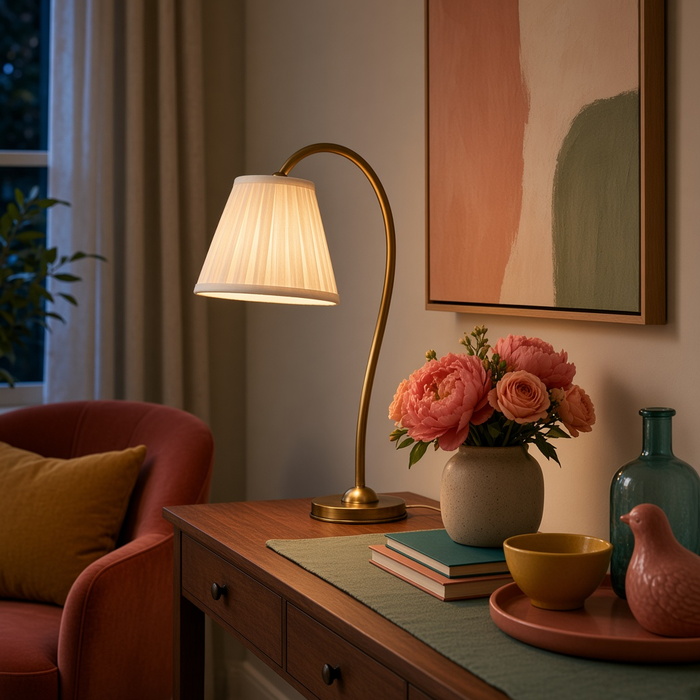
Practical Questions About Pleated-Shade Care
Can a pleated linen shade be washed in water?
Do not assume so. The available product information does not say that the shade is removable or washable. Water can mark linen and affect shape, so seek manufacturer guidance before using any wet method.
How often should the shade be dusted?
Use appearance and setting rather than a rigid calendar. Side light will reveal when dust collects in the folds. Rooms with bedding, upholstery, open windows or busy entrances may need gentle dry dusting more often.
What if one pleat still looks darker after dusting?
Check it in neutral daylight. It may be texture, a shadow caused by the fold, or a stain rather than loose dust. If gentle brushing does not change it, stop and ask for specialist or manufacturer advice.
Can the lamp be switched on immediately after cleaning?
After dry cleaning, remove all tools and dust, confirm that the base and shade are stable, verify clearance from the bulb and nearby materials, and reconnect power. Resolve any uncertainty about fit or bulb suitability before use.