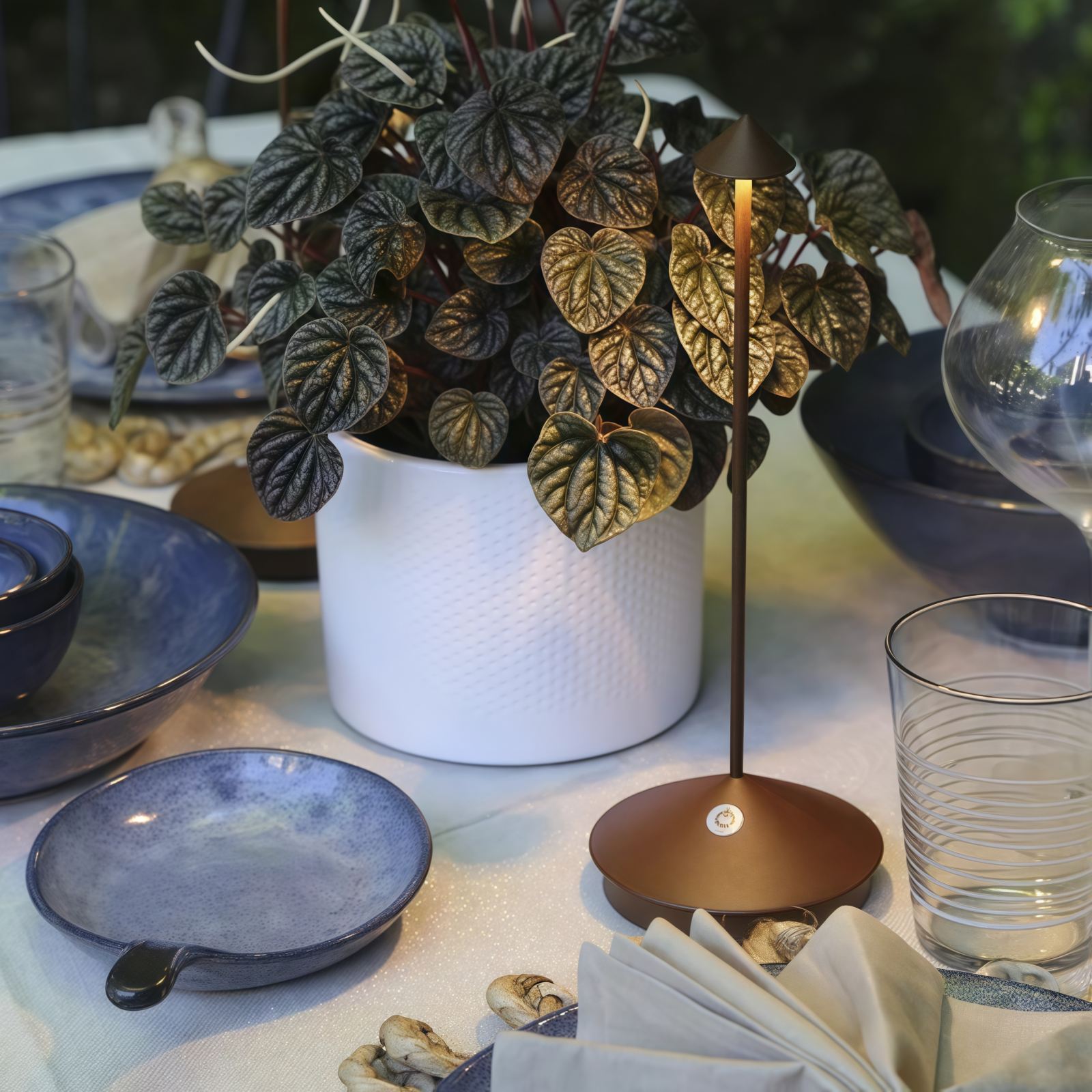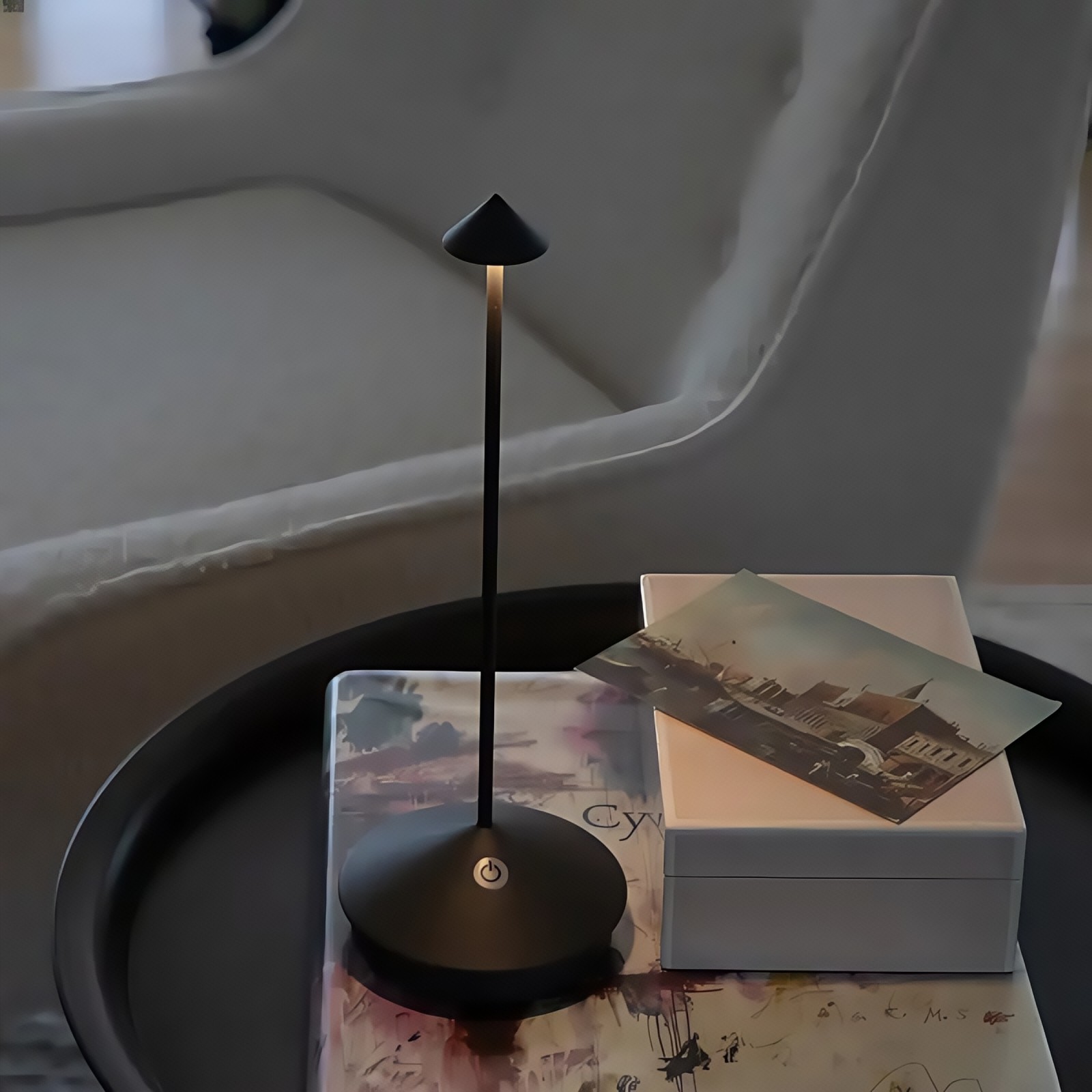
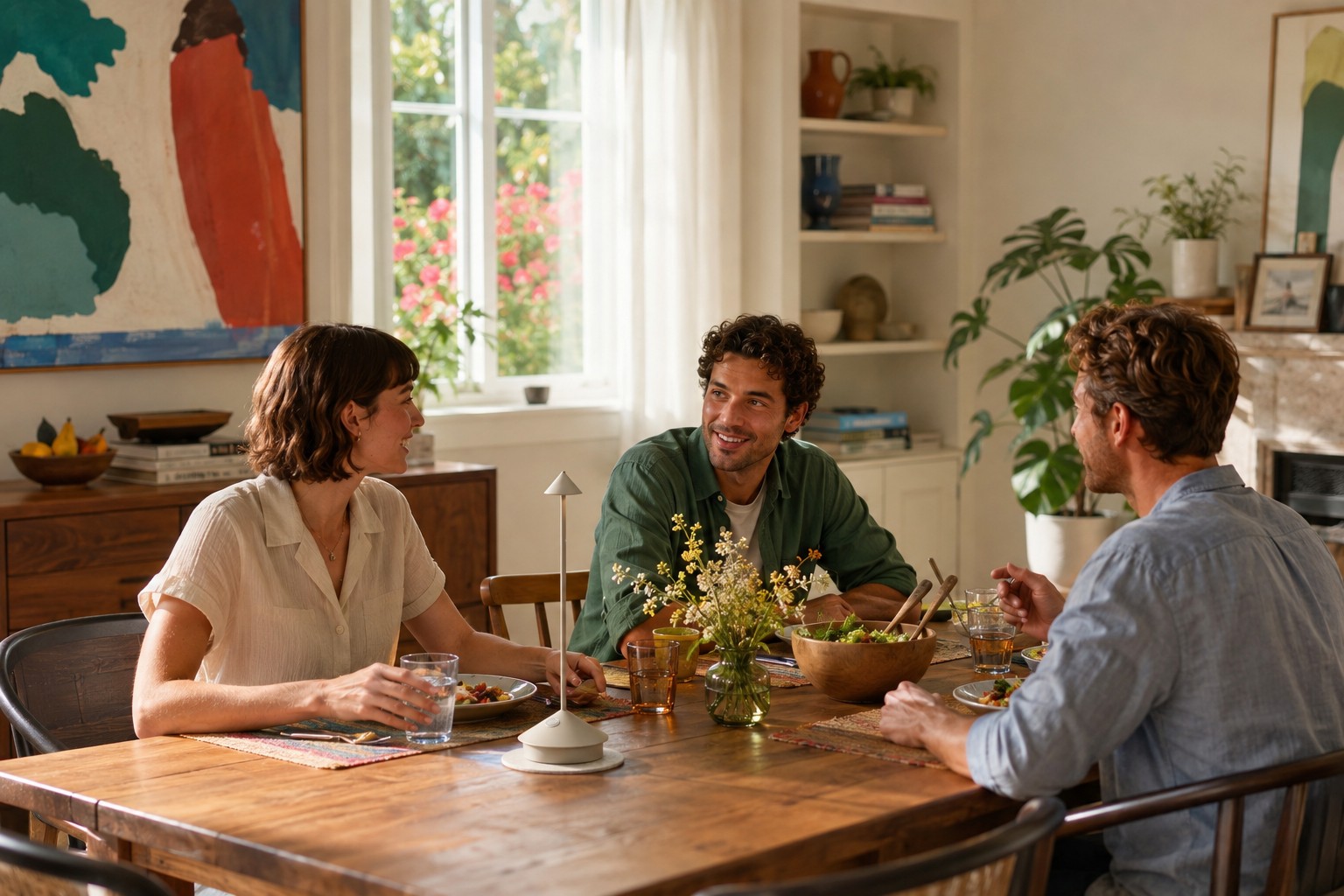
Mały krąg światła, bliższy stolik: Dlaczego prywatne baseny światła zmieniają sposób, w jaki się spotykamy
Pokój może być doskonale widoczny, a mimo to wydawać się emocjonalnie płaski. Różnica często wynika z miejsca, w którym gromadzi się światło. Niewielki, ciepły strumień światła na stole tworzy wyraźny środek, nie odcinając reszty pomieszczenia. Cicho mówi wszystkim: „tutaj dzieje się wieczór”, sprawiając, że jedzenie, twarze i rozmowy wydają się bardziej obecne.
Stół staje się celem podróży, a nie tylko powierzchnią
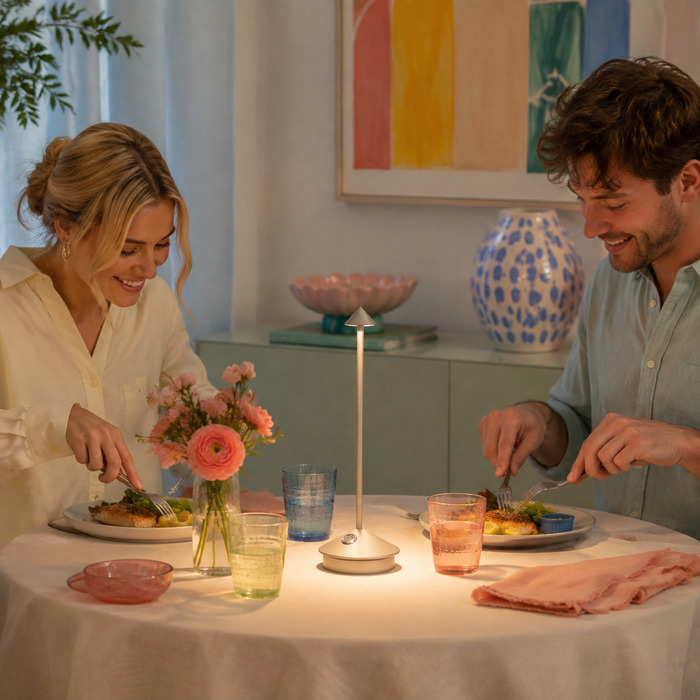
Oświetlenie górne traktuje całe pomieszczenie jako jedno zadanie. Oświetlenie stołu w zaciszu domowym wyznacza granicę jednej czynności. Ta granica może dawać poczucie bezpieczeństwa, ponieważ zmniejsza konkurencję wizualną: telewizor, otwarta kuchnia i niedokończone prace domowe pozostają poza najjaśniejszym obszarem. Goście nie muszą świadomie zwracać uwagi na lampę, aby stół wydawał się bardziej funkcjonalny.
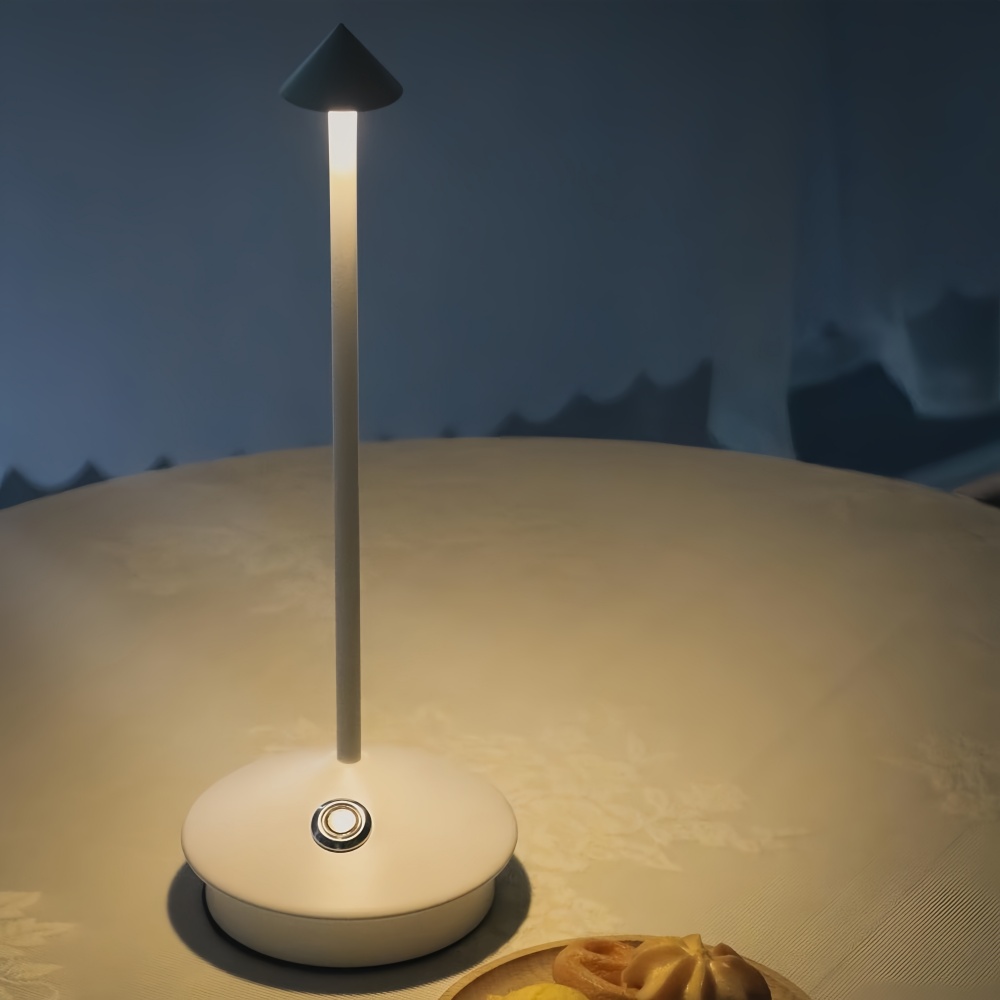
Efekt jest najsilniejszy, gdy światło jest ciepłe, słabe i skupione. Olśniewające światło odwraca uwagę od twarzy, a ostre światło sufitowe może sprawić, że stół będzie wydawał się odsłonięty. Kompaktowa lampa tworzy łagodniejszą hierarchię: blat stołu jest ożywiony, twarze w pobliżu są delikatnie modelowane, a tło staje się cichsze, a nie znika.
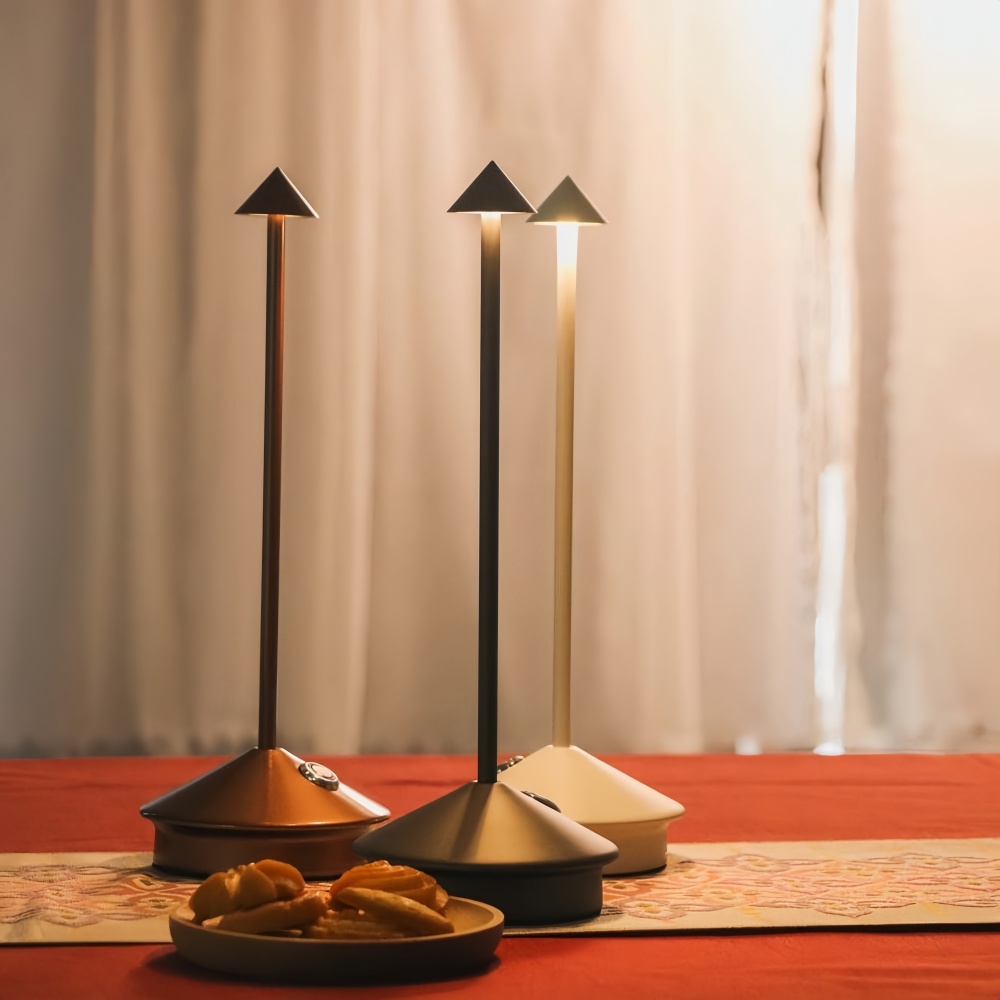
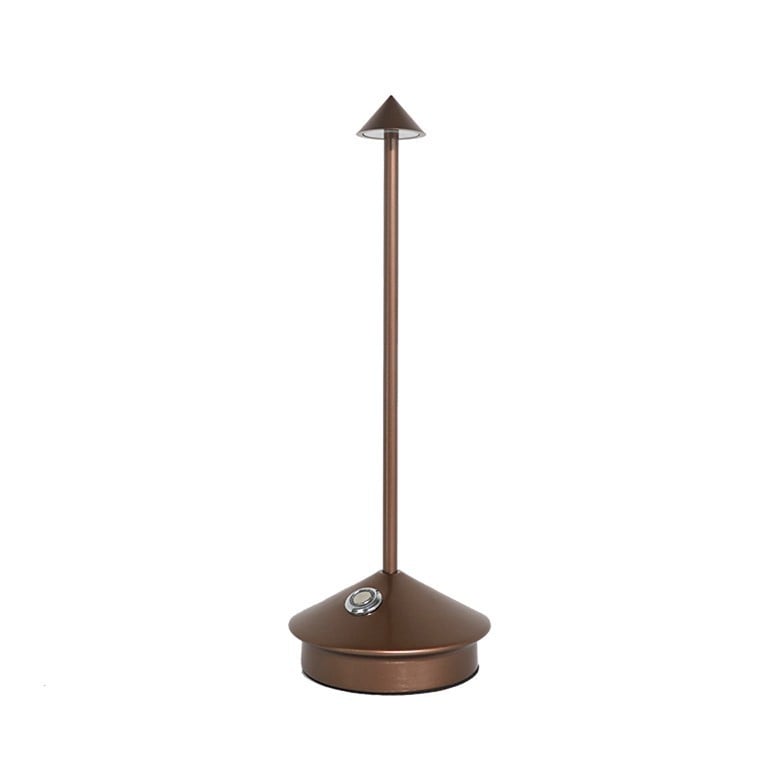
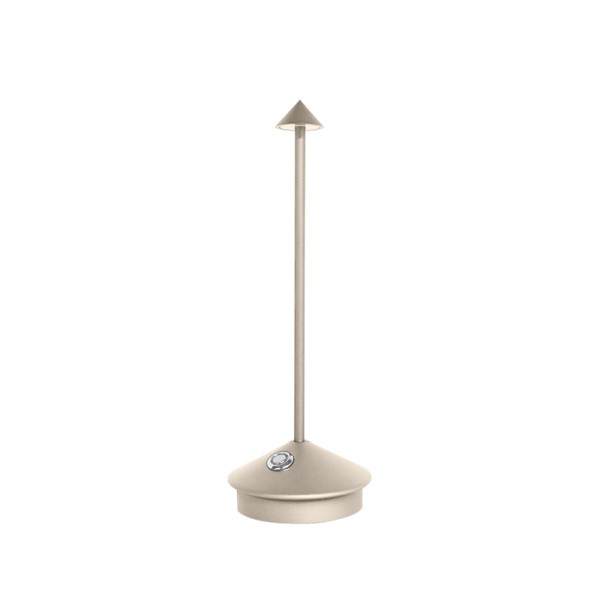
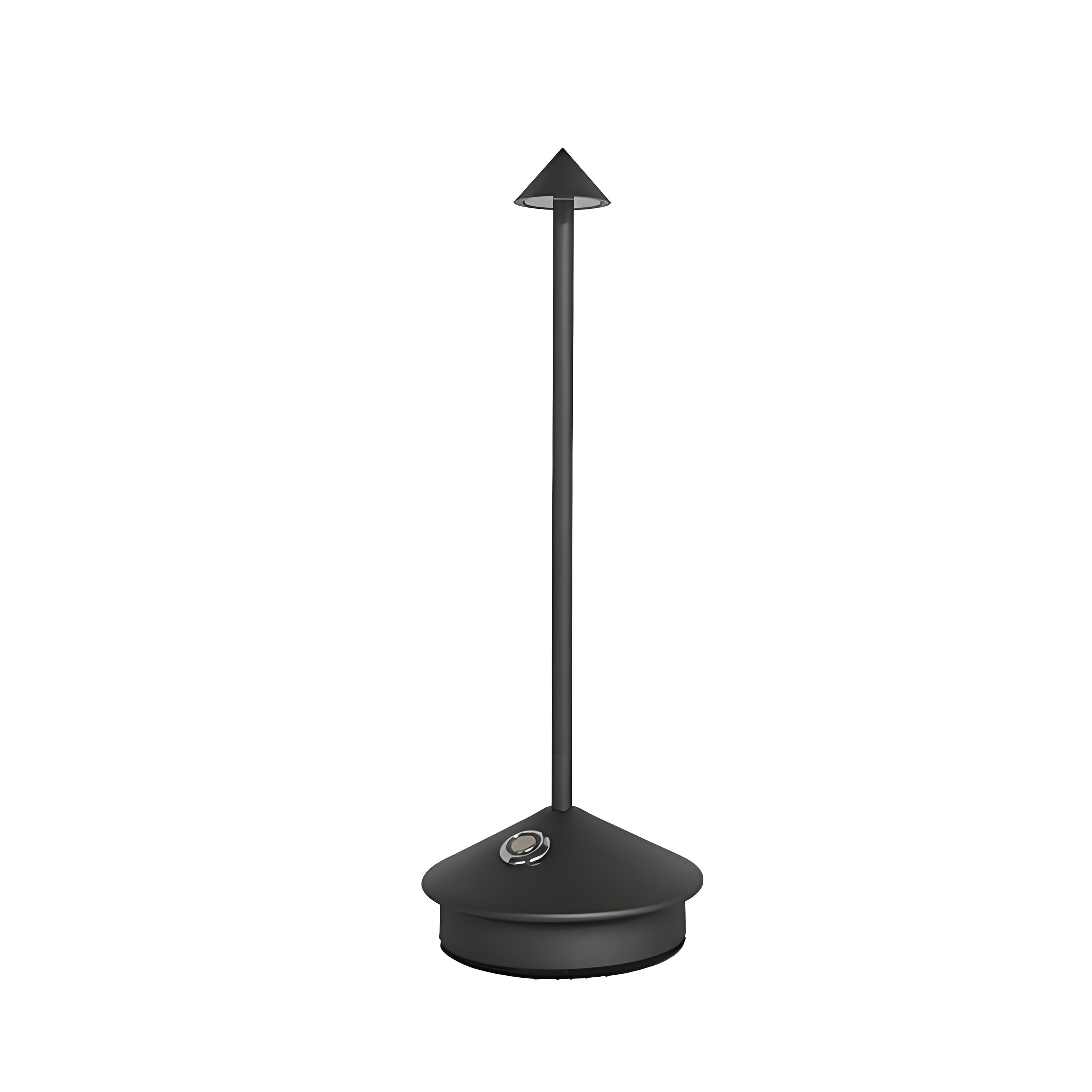
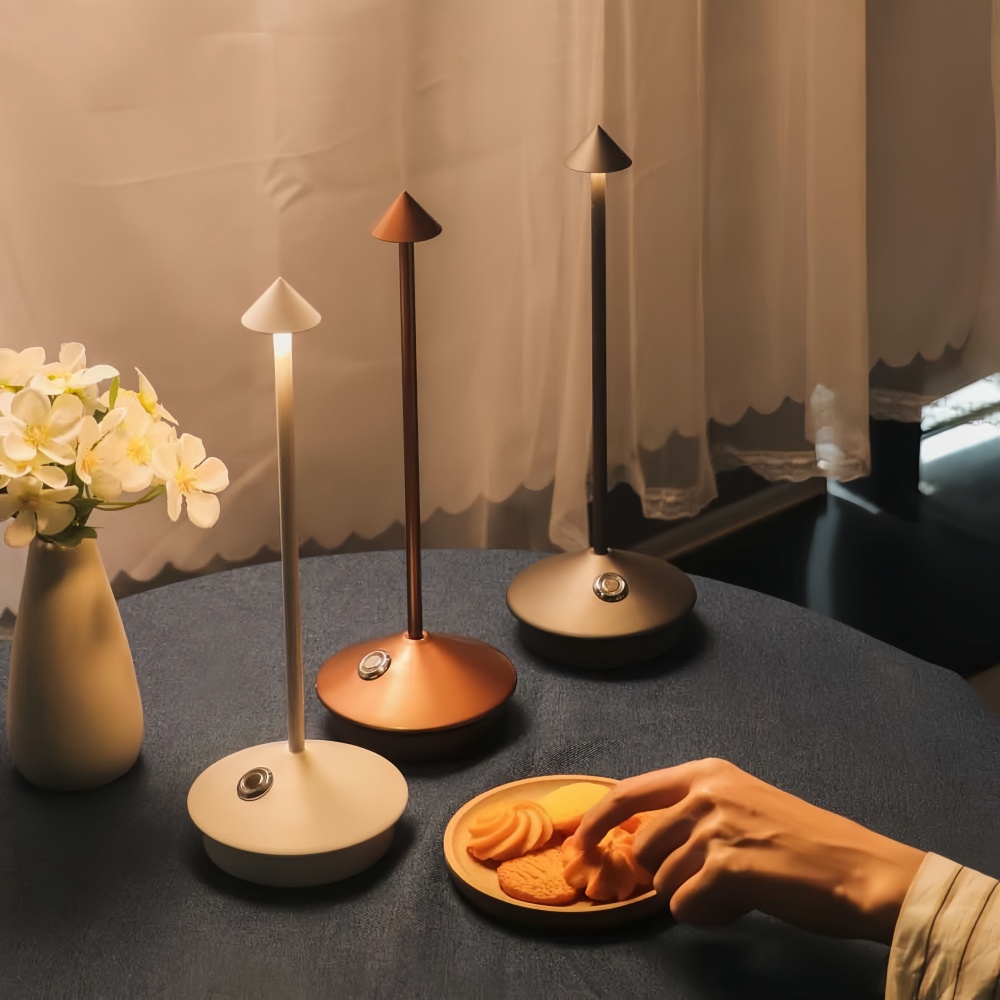
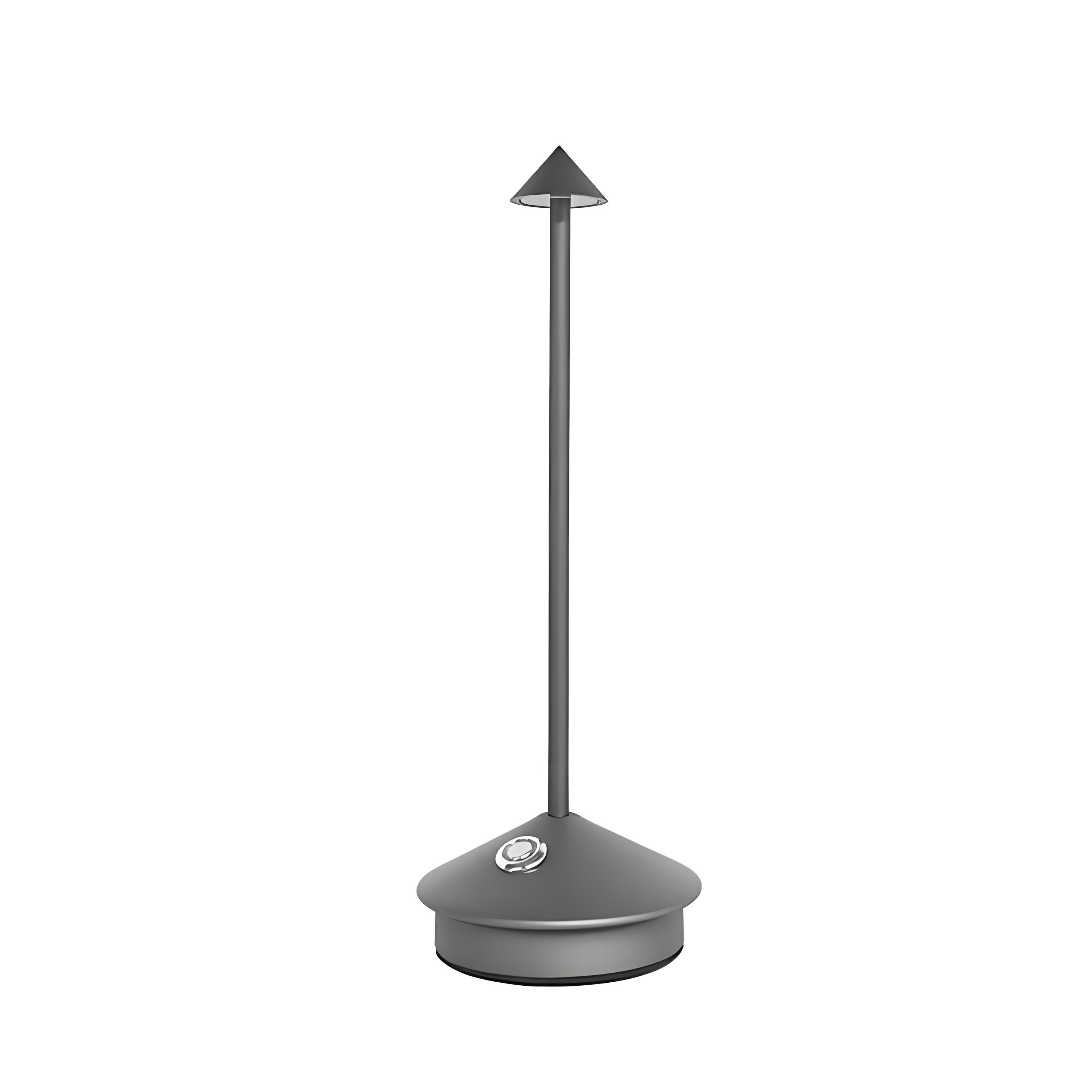
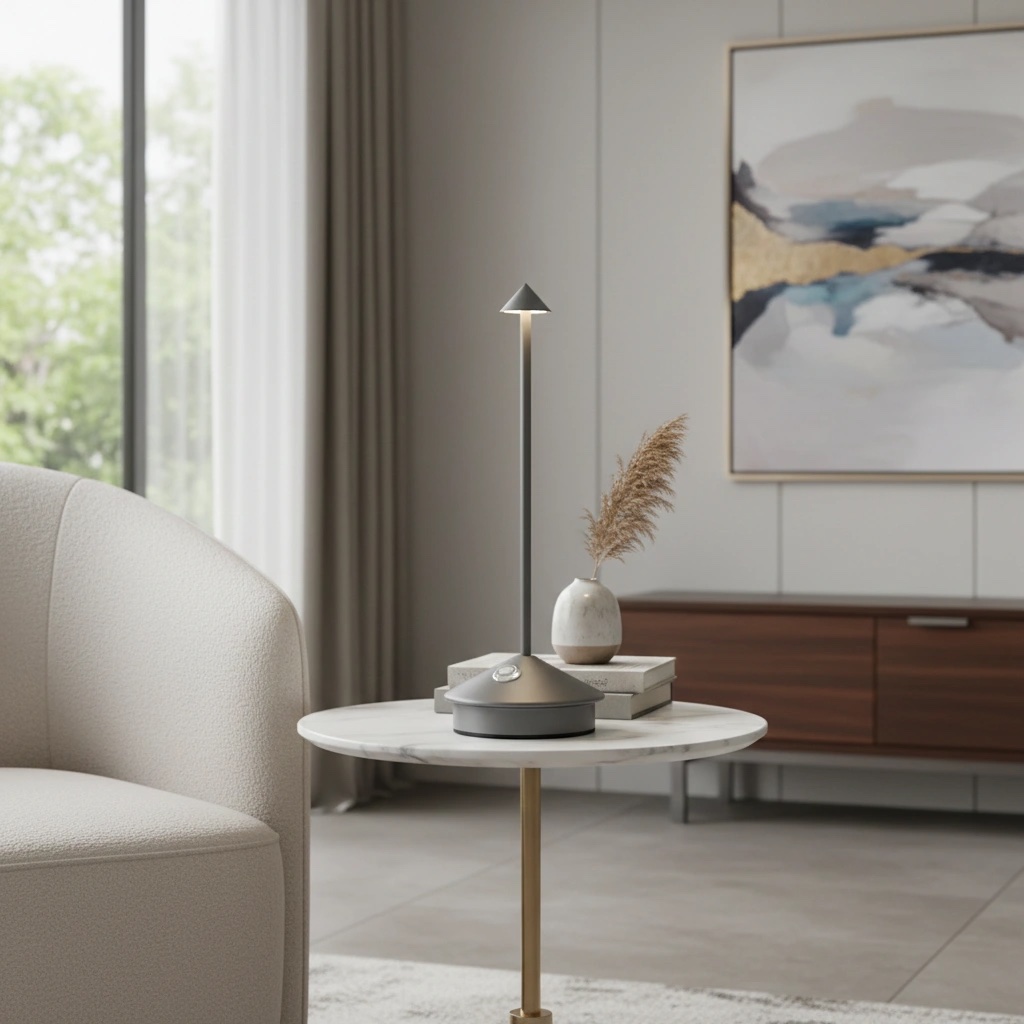
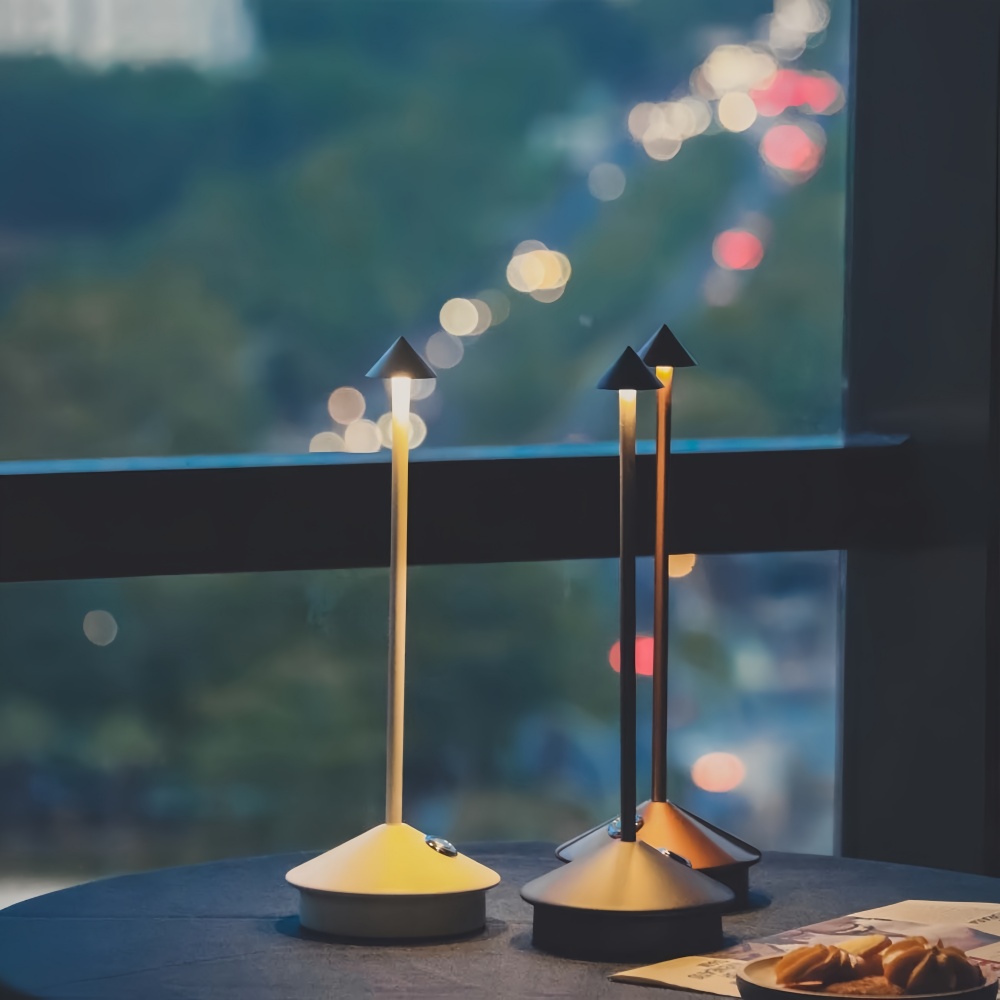
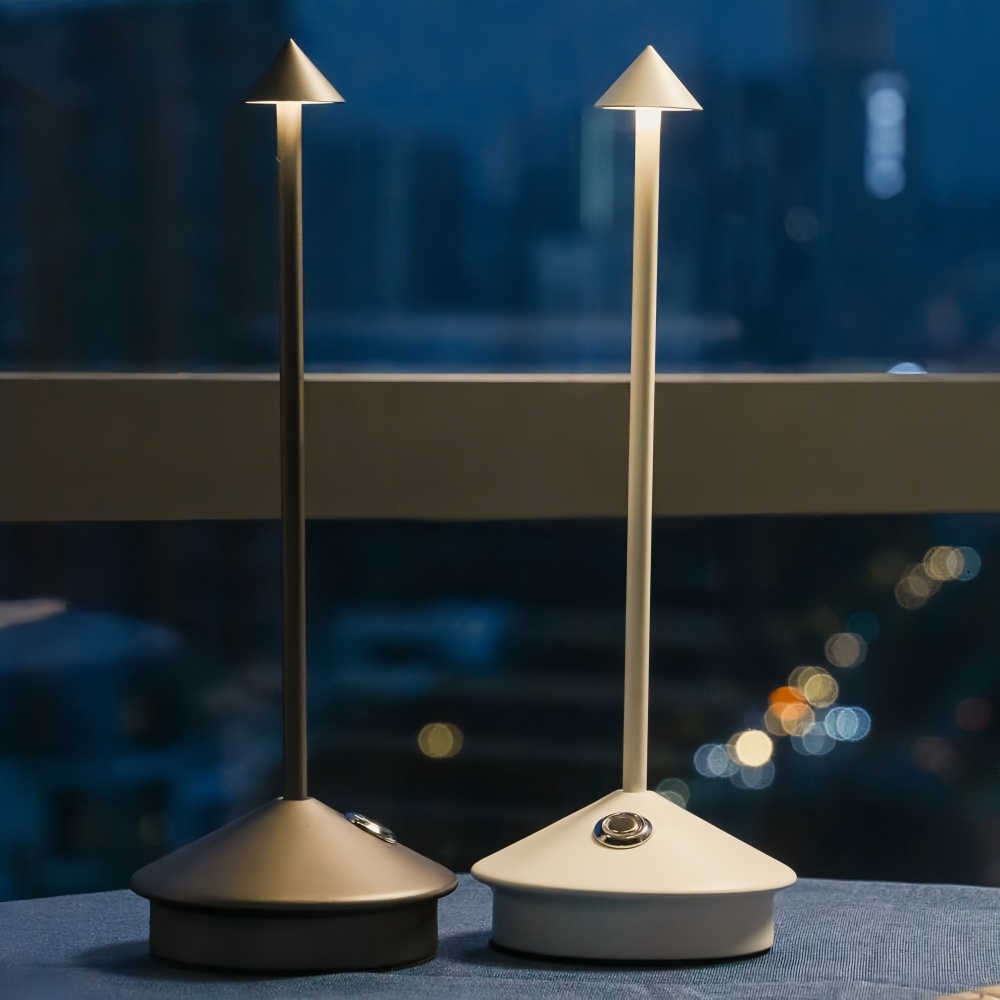
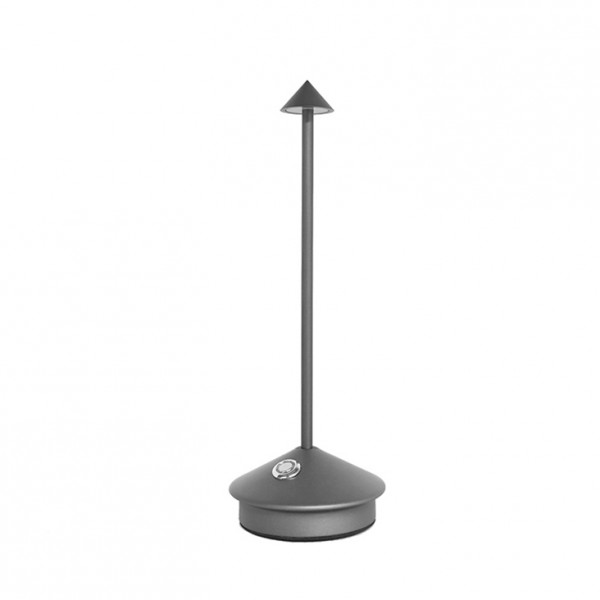
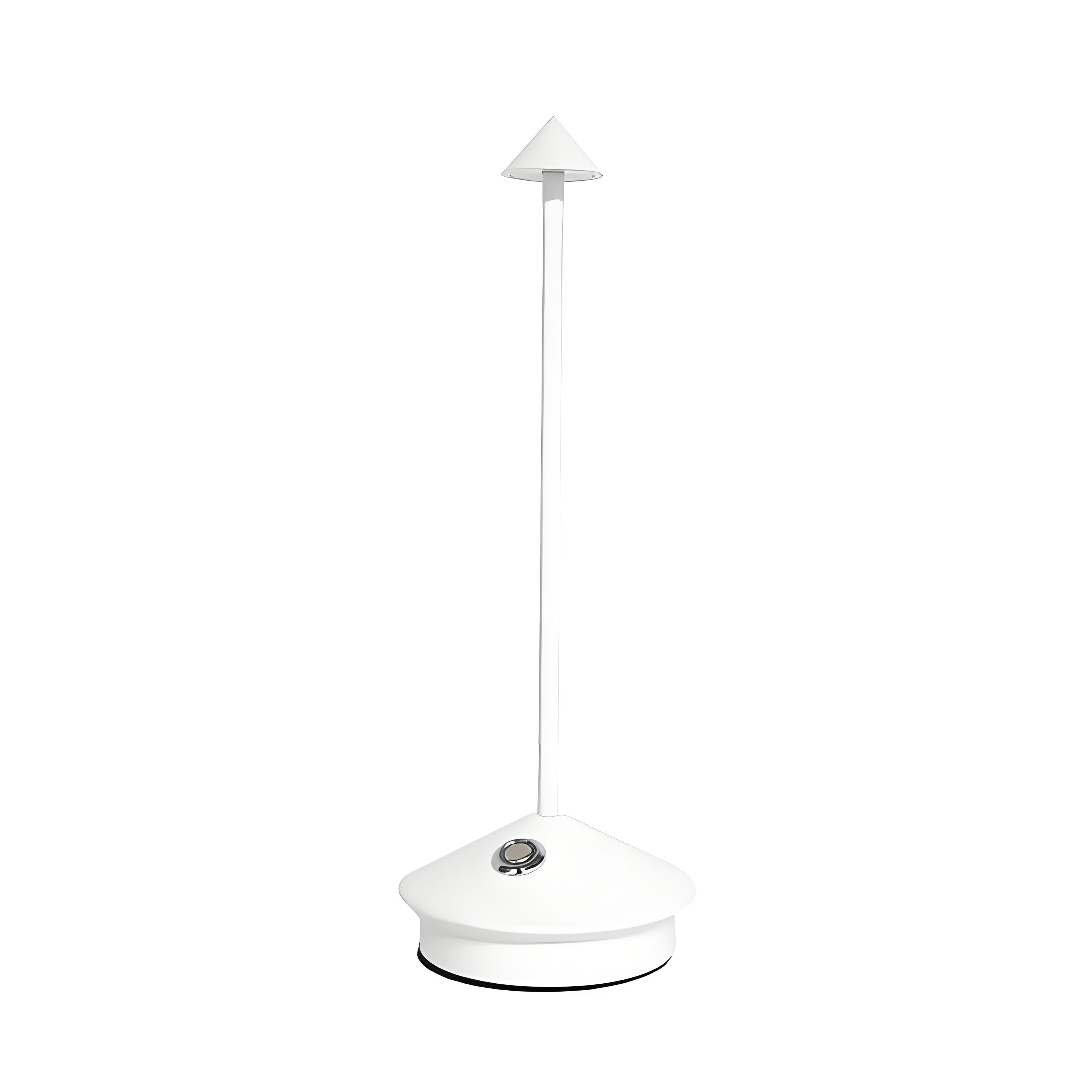
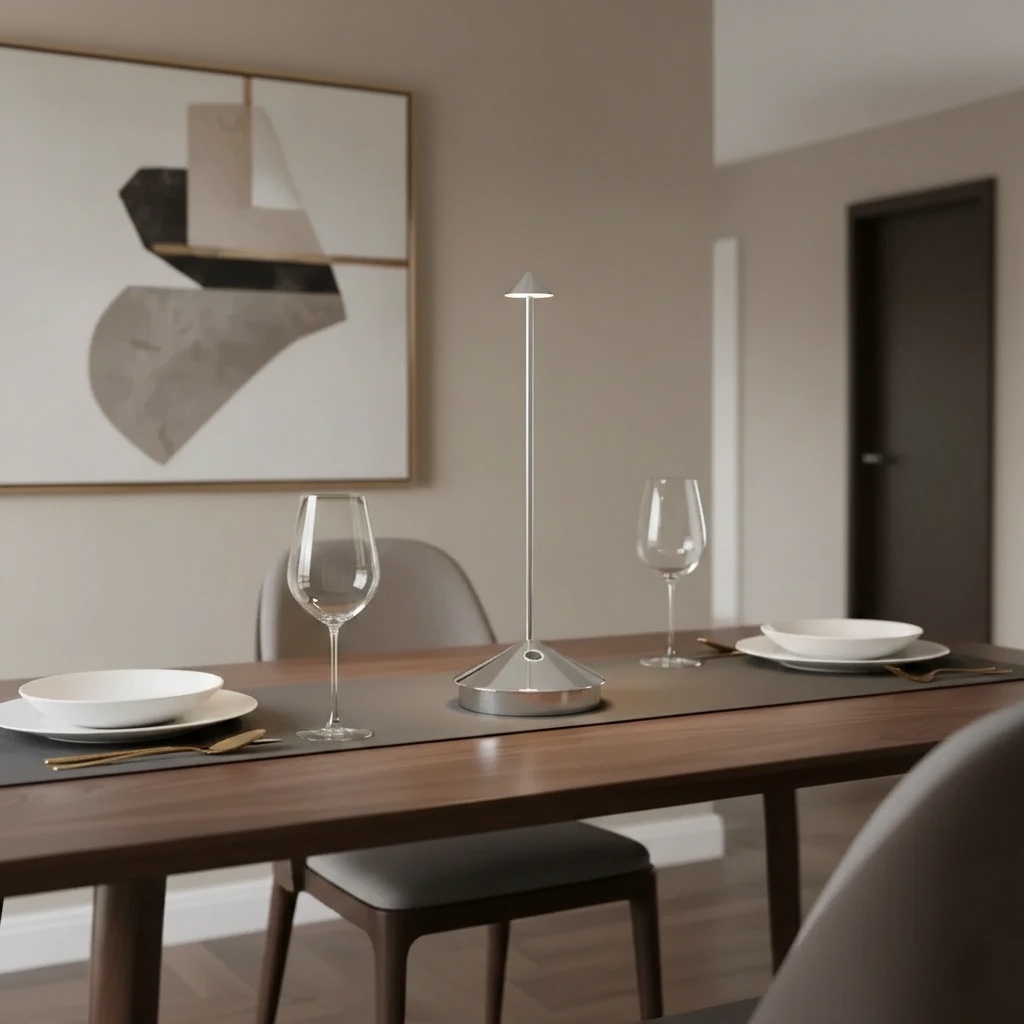
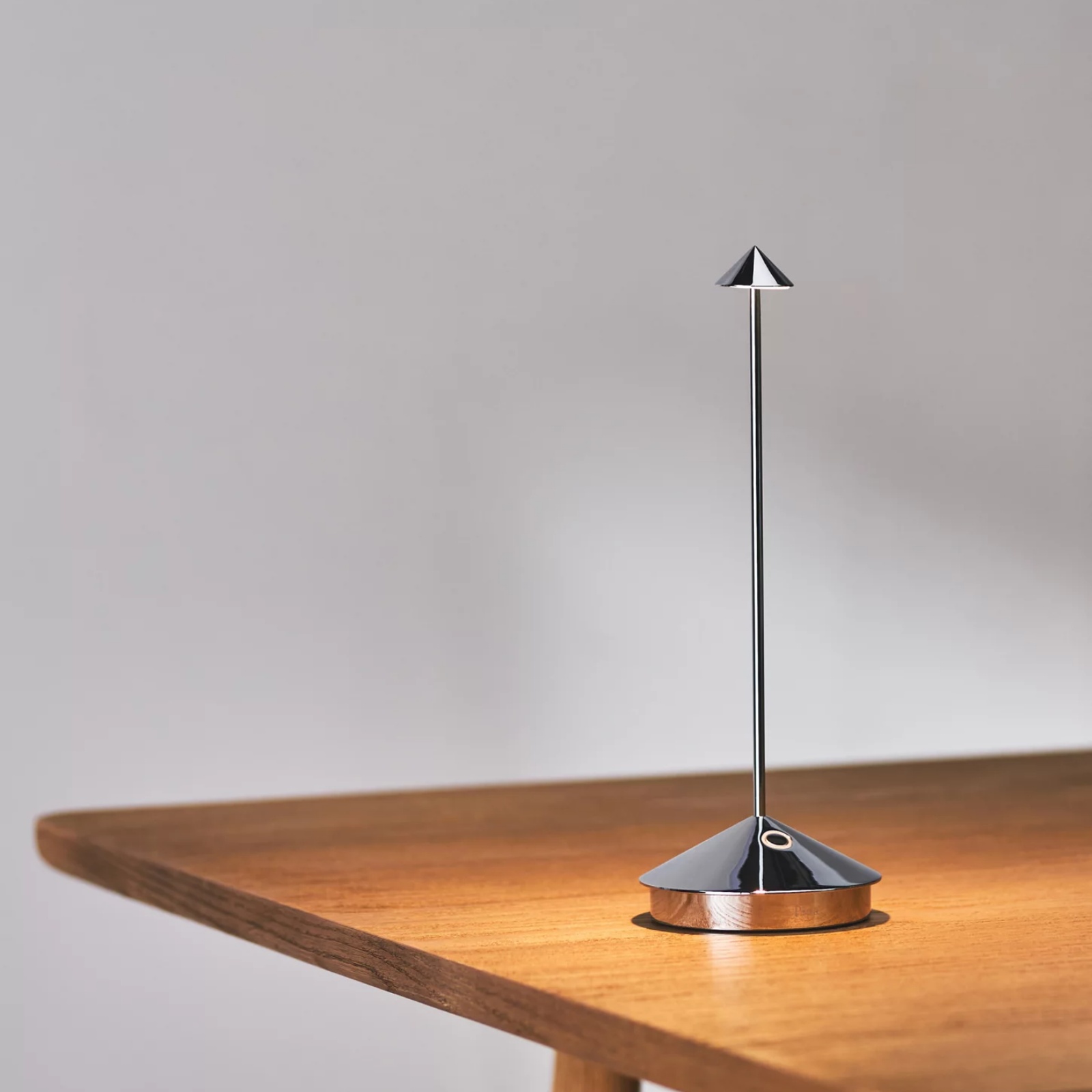
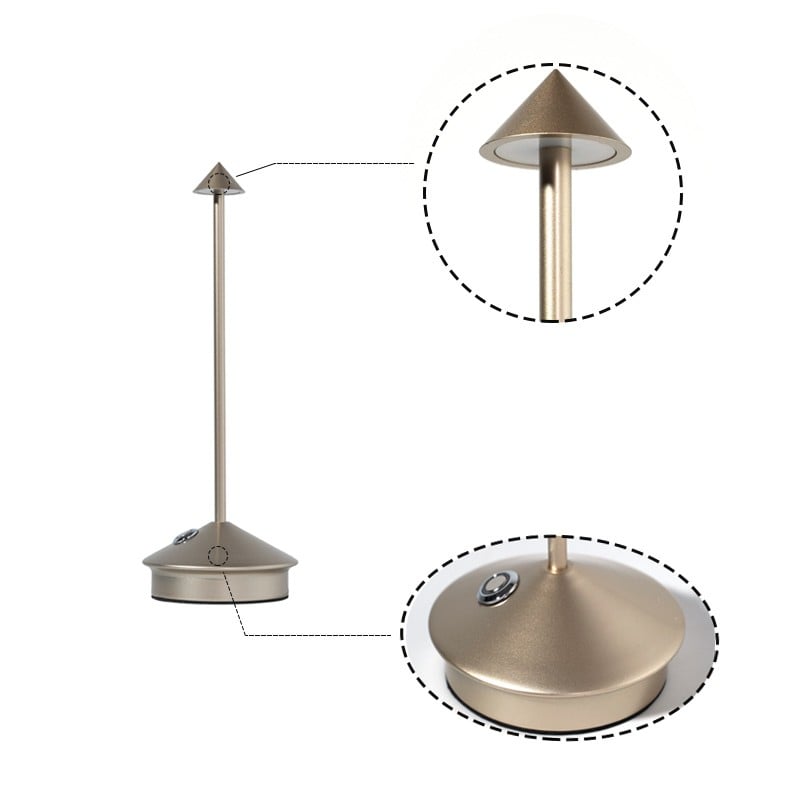
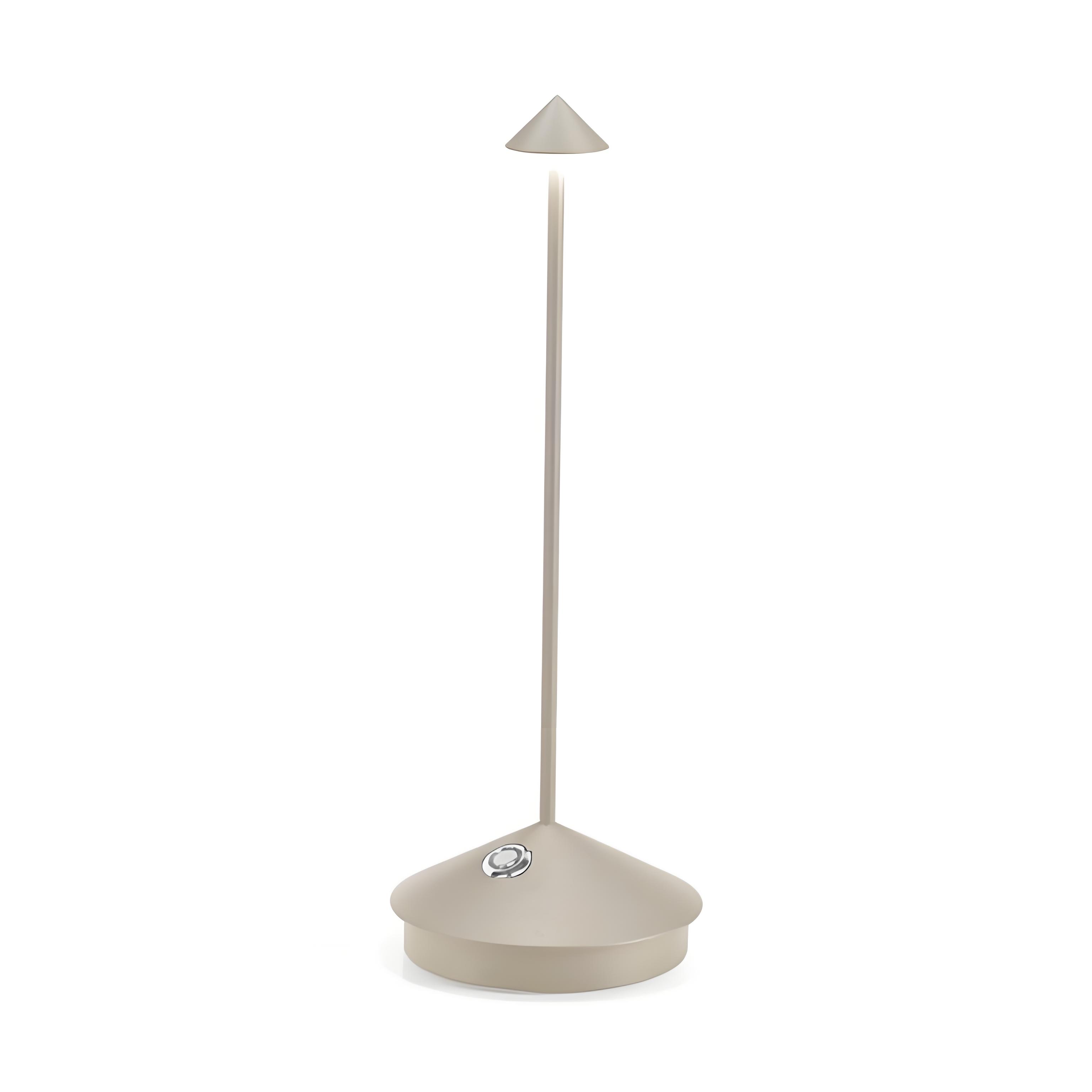
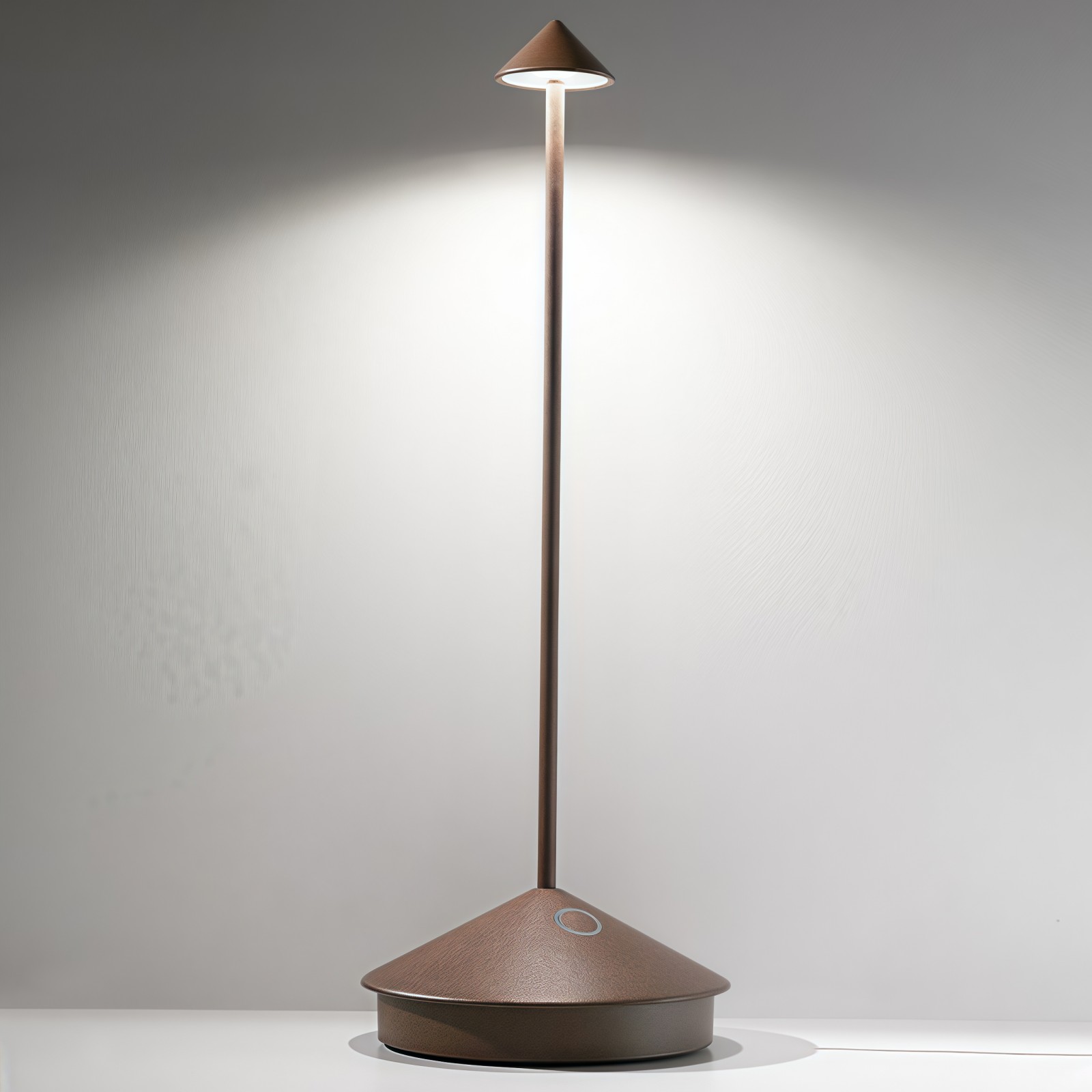
Przenośna lampa LED Glimma idealnie nadaje się do tego rozwiązania, ponieważ dzięki zintegrowanej diodzie LED o temperaturze barwowej 3000 K, funkcji ściemniania dotykowego i bezprzewodowej konstrukcji, stół pozostaje uporządkowany. Umieść ją w miejscu, w którym zazwyczaj stoi świeca, a następnie dostosuj jasność, aż twarze będą wyglądały na przytulne, a nie na mocno zacienione.
Dlaczego „prywatne” światło nie sprawia, że stół staje się antyspołeczny
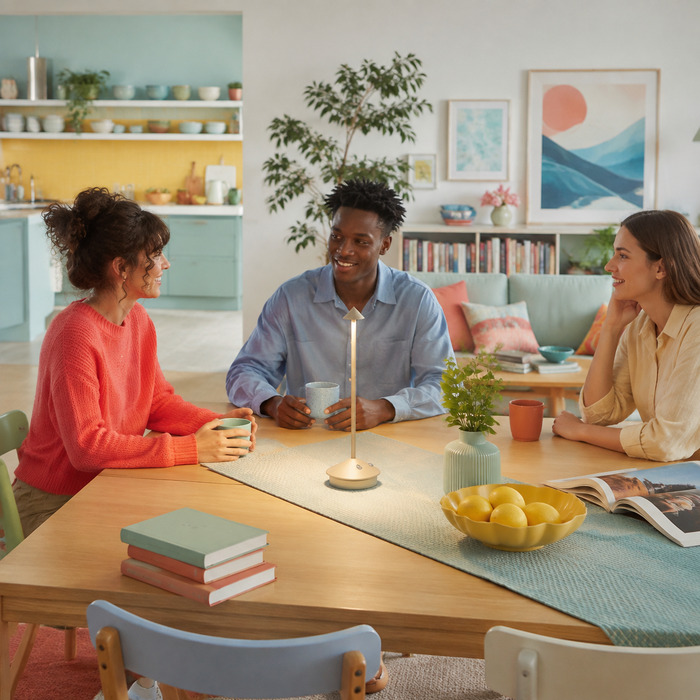
Prywatność nie oznacza izolacji. Oznacza, że grupa ma wspólne terytorium wizualne. W domu z otwartą przestrzenią, niewielki strumień światła może stworzyć wrażenie pokoju w pokoju, bez parawanów, ścian czy formalnej jadalni. Kuchnia może być nadal widoczna, ale stół ma priorytet emocjonalny.
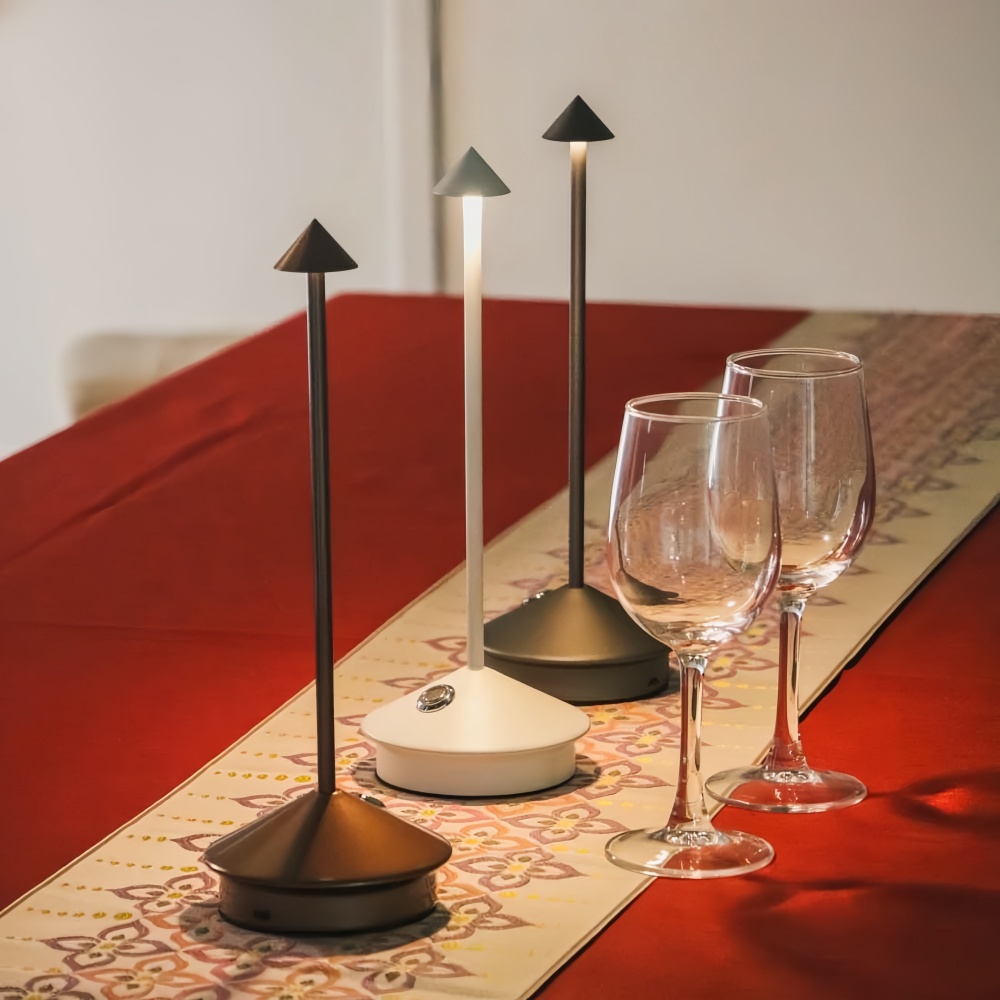
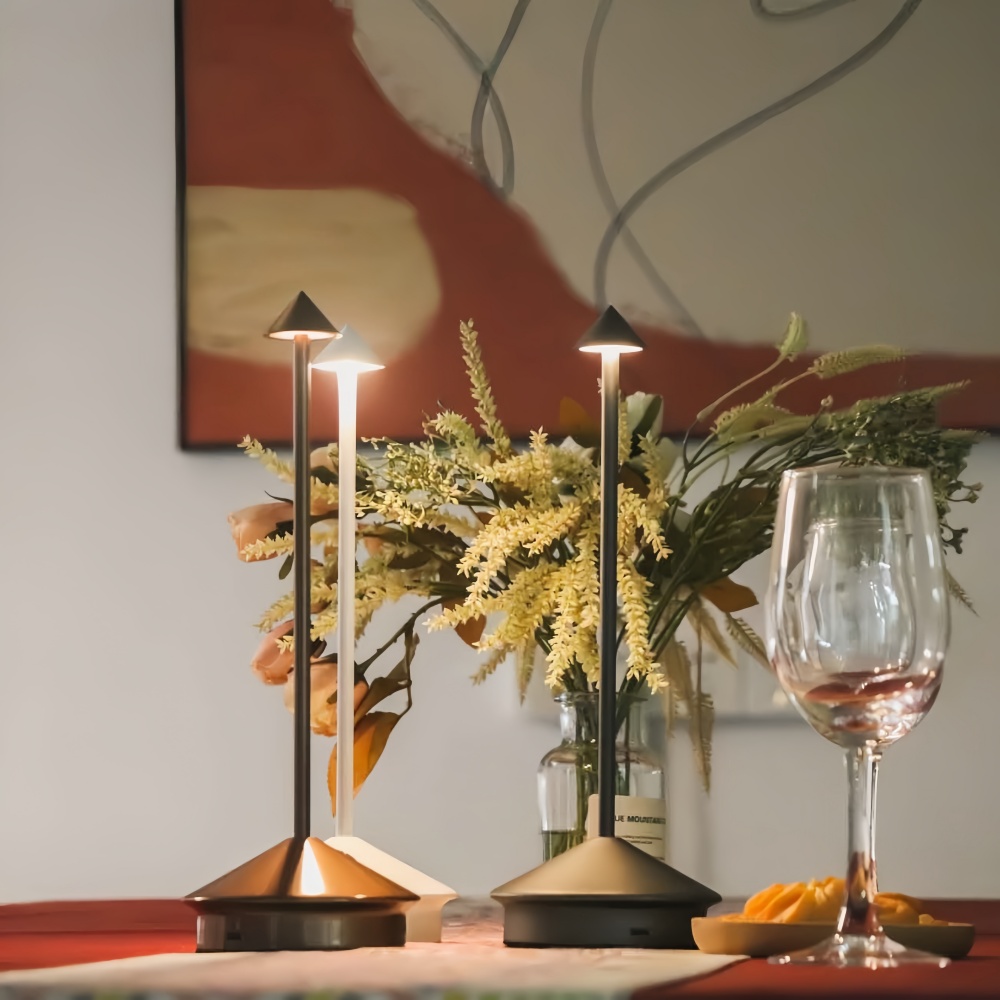
Jest to szczególnie przydatne dla dwóch do sześciu osób. Pojedyncza lampa blisko środka sprawia, że mała kolacja wydaje się przemyślana; dwie równomiernie rozmieszczone lampy mogą nadać dłuższemu stołowi to samo poczucie intymności, nie pozostawiając przy tym ponurych krawędzi. Celem nie jest oświetlenie każdego talerza. Chodzi o to, aby zapewnić wszystkim wystarczająco dużo ciepłego, odbitego światła, aby mogli komfortowo widzieć wyrazy twarzy.
Trzy emocjonalne zadania, które może wykonać jedna mała lampa
1. Zaznacz przejście z czasu poświęconego zadaniom do czasu poświęconego rozrywce
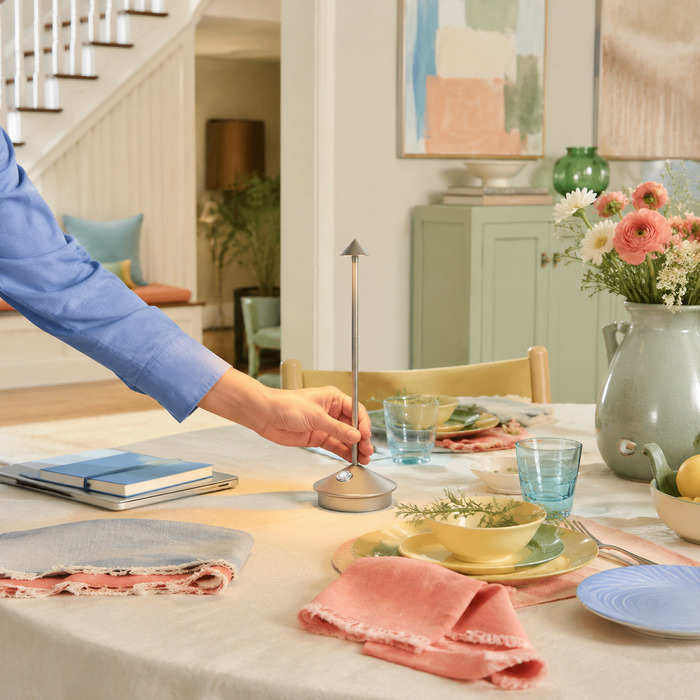
Przenośna lampa może stać się małym rytuałem. Posprzątaj papiery, postaw lampę na stole i przyciemnij oświetlenie. Sam ruch sygnalizuje, że pomieszczenie zmieniło przeznaczenie. Jest to cenne w domach, gdzie ta sama powierzchnia służy do spożywania śniadań, trzymania laptopów, odrabiania prac domowych i jedzenia obiadu.
2. Spraw, aby hosting wydawał się mniej wydajny
Jasne, równomierne oświetlenie wydobywa każdy zakątek i może sprawić, że swobodne spotkanie będzie bardziej przypominało inspekcję niż zaproszenie do relaksu. Skupiony strumień ciepłego światła delikatnie kieruje uwagę na stół, pozwalając, by niedokończone prace, codzienne bałagany czy stos poczty na blacie zniknęły w tle. Gospodarze nie odczuwają presji, by całe pomieszczenie prezentowało się nieskazitelnie, a goście naturalnie skupiają się na jedzeniu, rozmowie i otaczających ich ludziach. W rezultacie powstaje przemyślane i serdeczne spotkanie, bez zbędnego wyreżyserowania.
Ta sama zdolność do kierowania uwagi może być przydatna także poza domem. W sklepie starannie umieszczona lampa bezprzewodowa może sprawić, że ekspozycja produktów będzie wyglądać jak przemyślana scena, a nie jak zwykłe miejsce do przechowywania. W książce „Spraw, by towar wydawał się starannie dobrany: Wykorzystanie lamp bezprzewodowych do podniesienia jakości ekspozycji w handlu detalicznym” analizuje się, jak to skupione światło może wspierać narrację o produktach, zachowując jednocześnie elastyczność ekspozycji.
3. Nadaj rozmowie wizualny rytm
Ludzie zazwyczaj kierują się ku oświetlonemu miejscu. Centralna lampa sprawia, że dłonie, szklanki i wspólne talerze stają się częścią rozmowy. Przyciemnione krawędzie mogą również sprawić, że przerwy będą bardziej komfortowe niż puste. Nic nie musi być ustawione; światło po prostu zapewnia grupie spokojne miejsce, w którym może zwrócić na siebie uwagę.
Umiejscowienie, które wydaje się naturalne, a nie teatralne
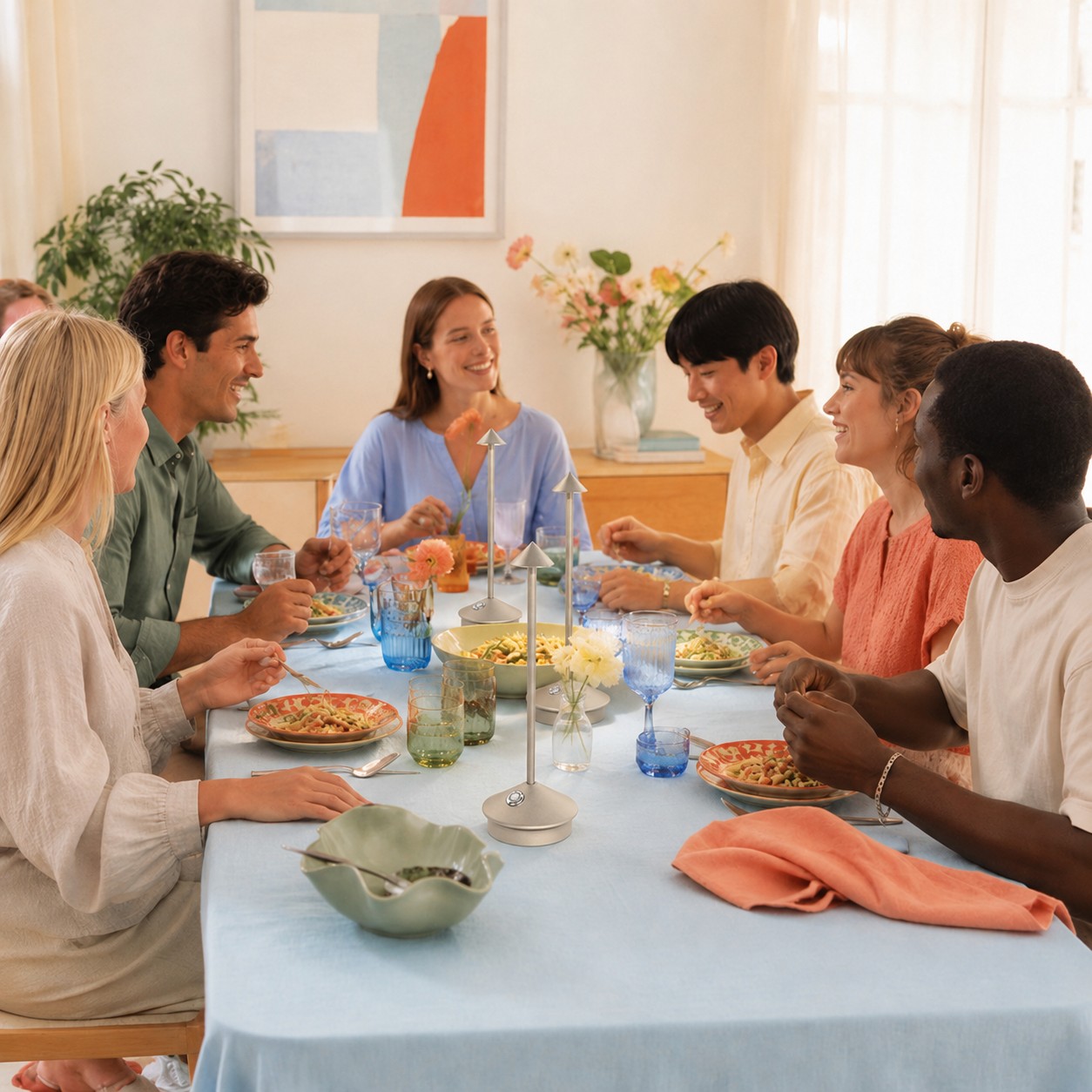
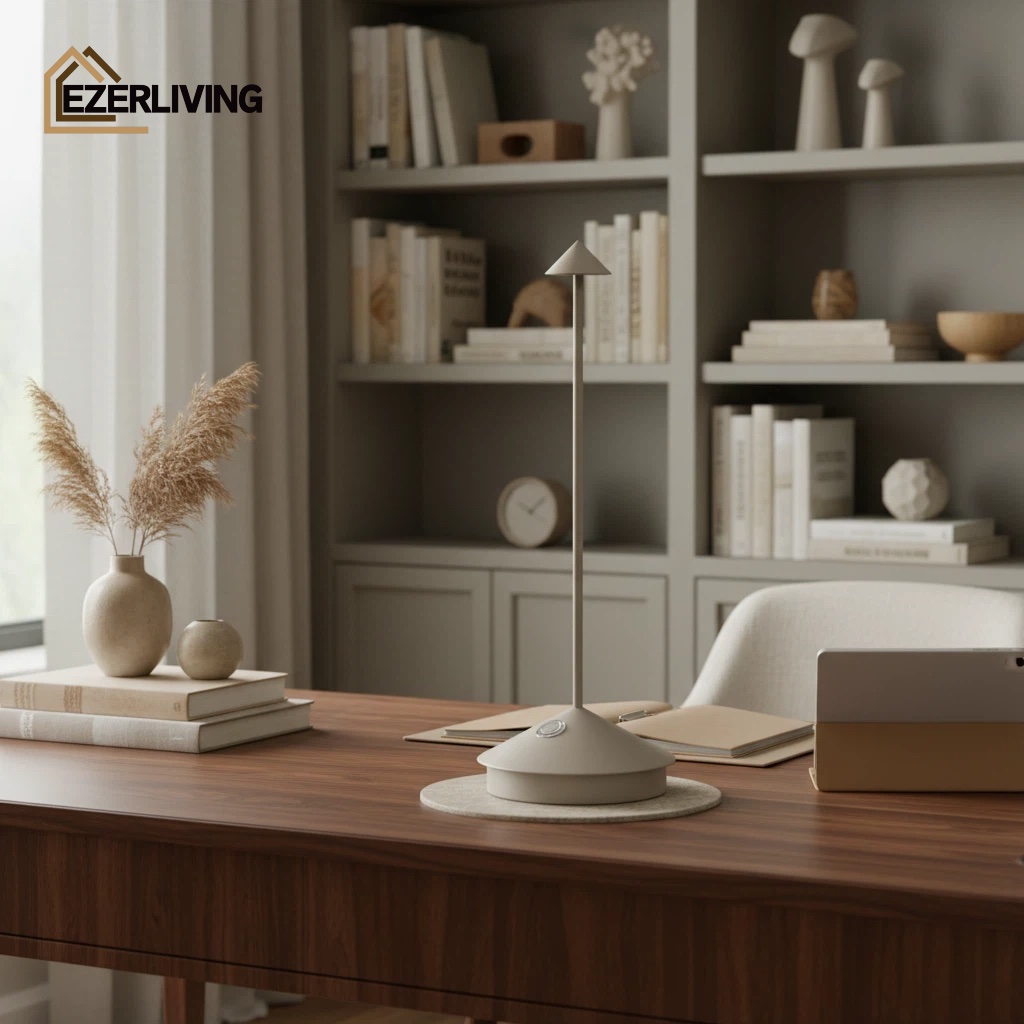
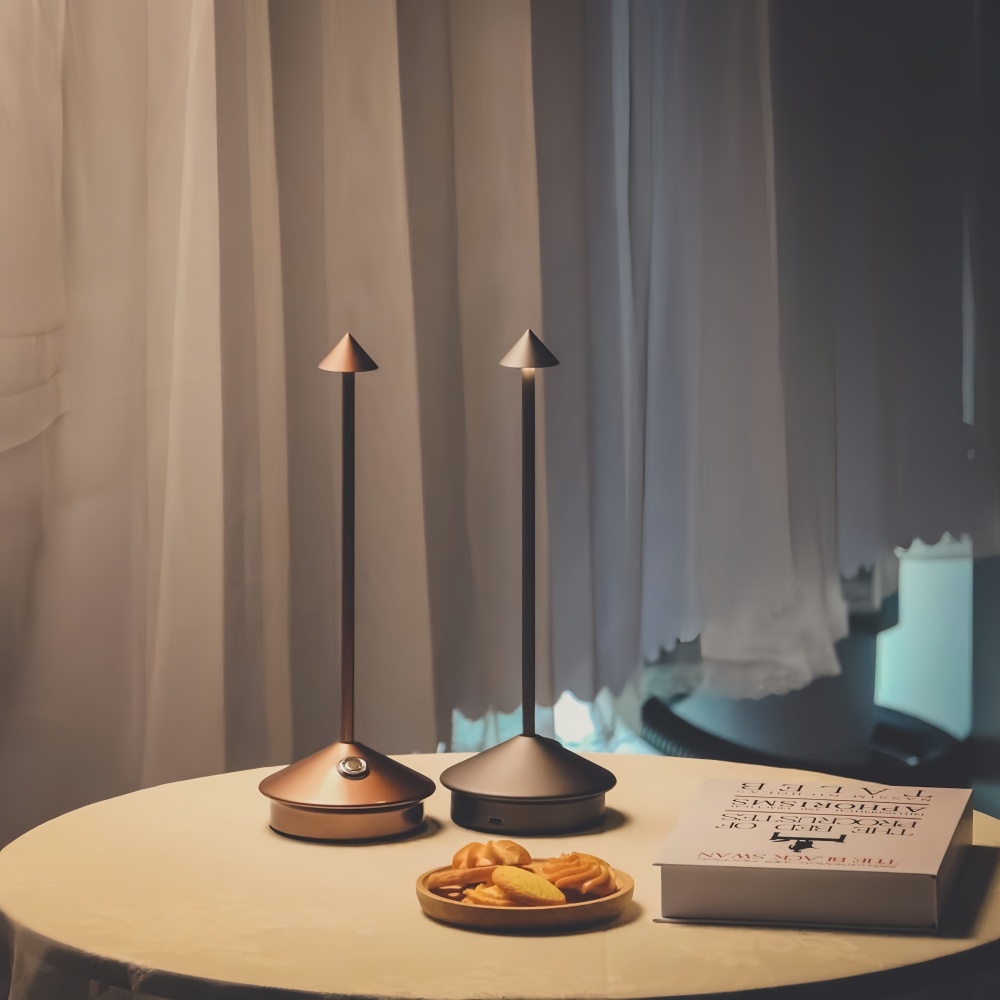
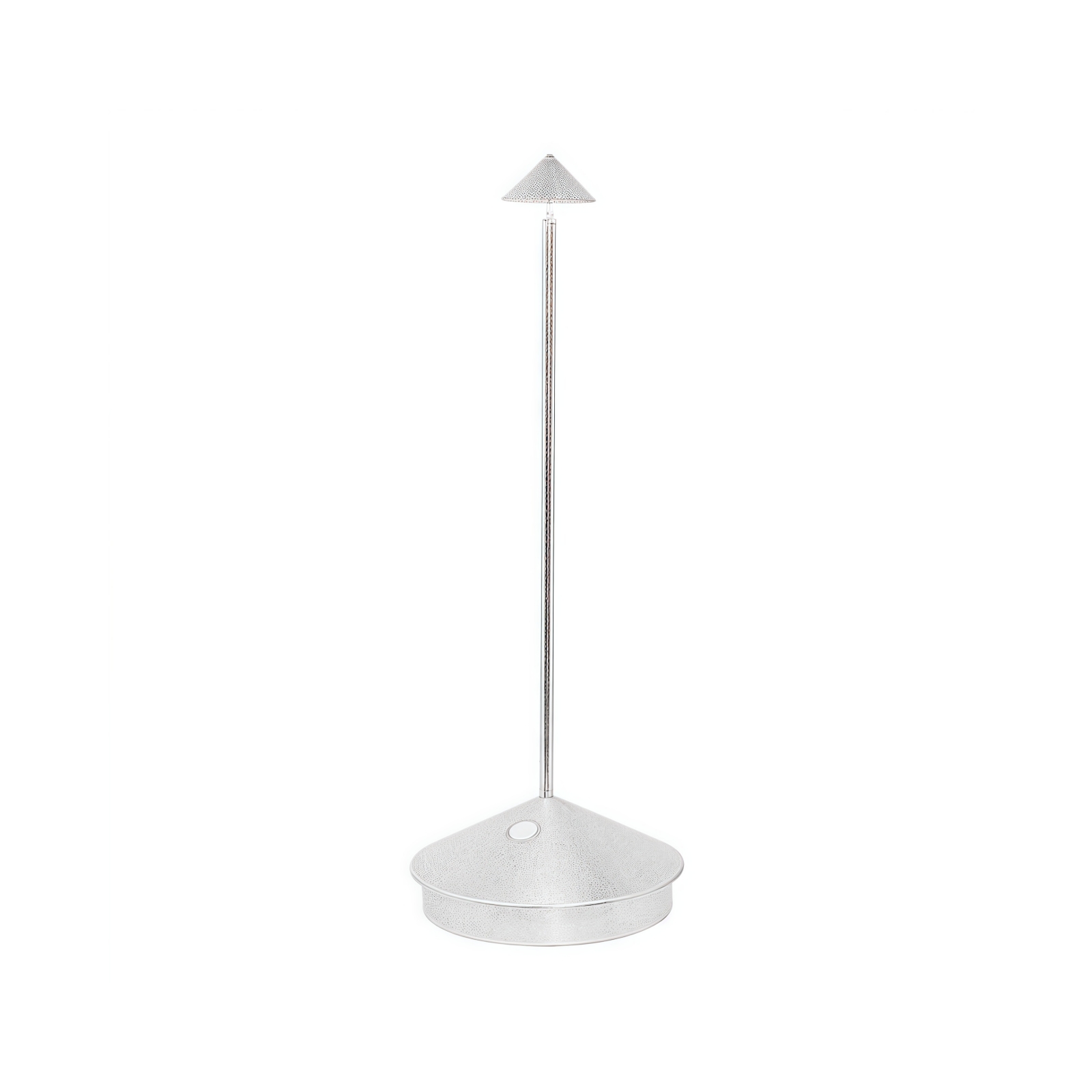
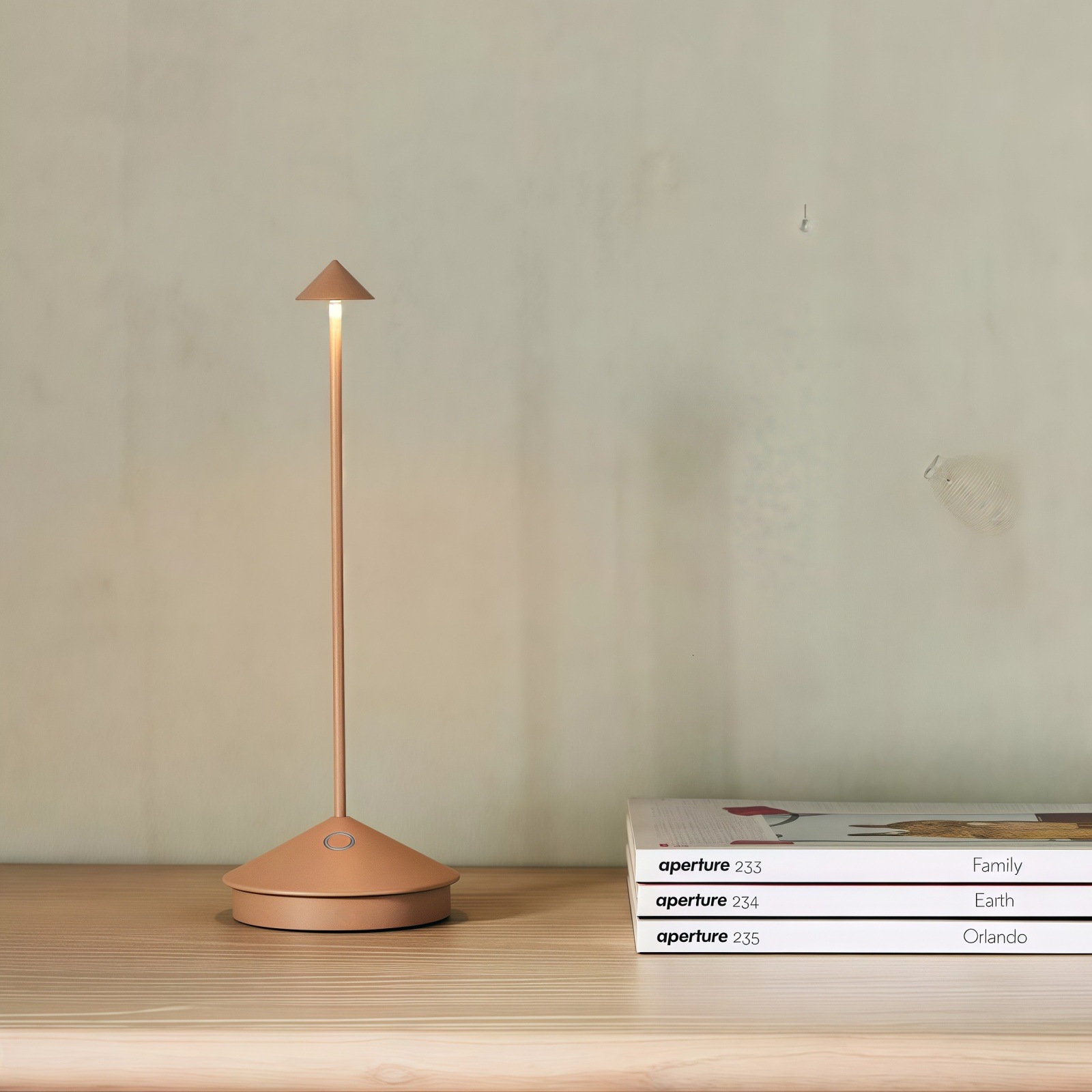
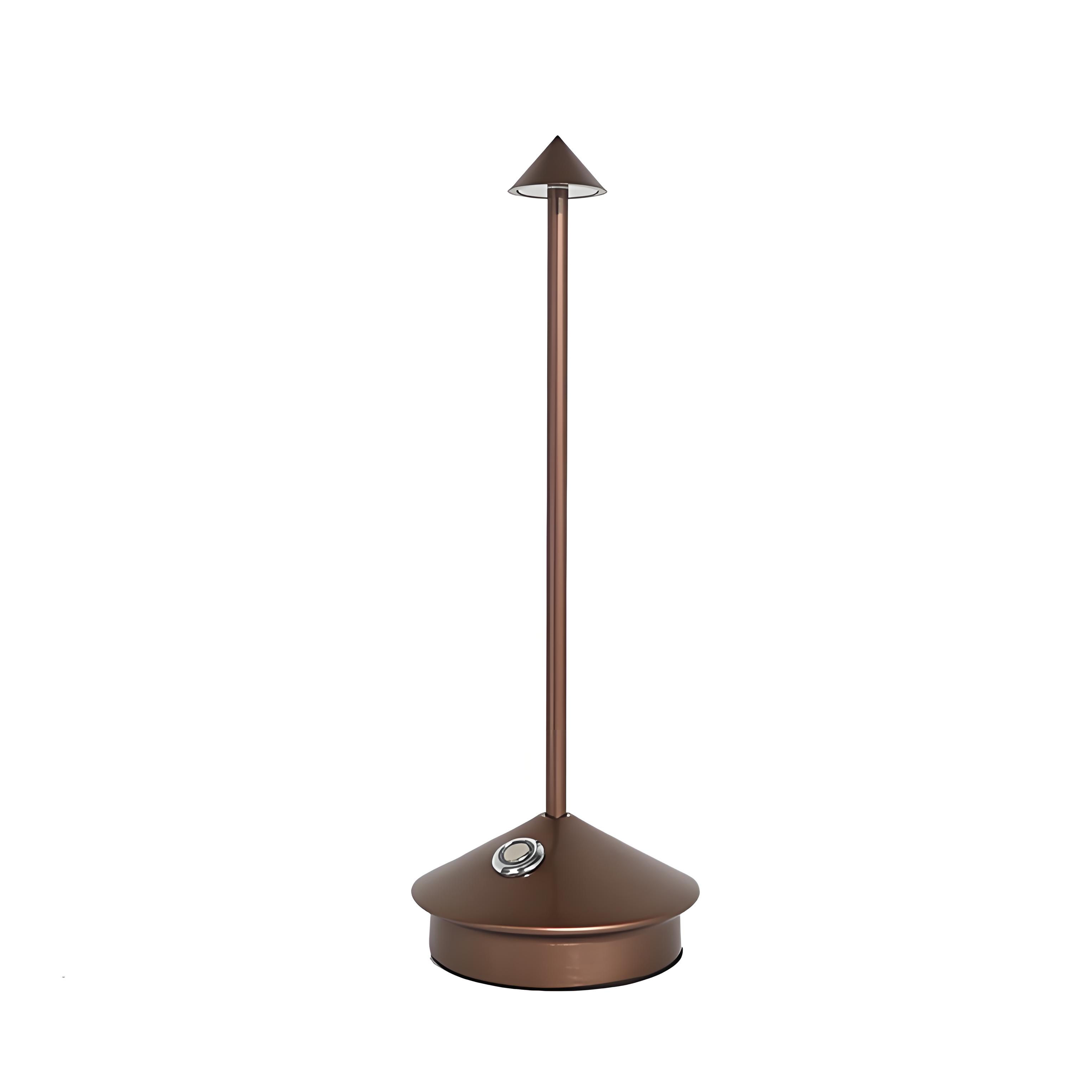
Zacznij od jednej lampy w odległości mniej więcej ramienia od głównego miejsca rozmowy, ale trzymaj ją z dala od naczyń do serwowania i linii wzroku. Glimma ma 10,5 cm średnicy i 29 cm wysokości, jest wystarczająco kompaktowa, aby zmieścić się na wielu stołach w jadalniach i kawiarniach, a jednocześnie zachować swój charakter. Na okrągłym stole umieść ją nieco z boku, obok niskiej miski lub małego wazonu. Na prostokątnym stole ustaw ją równolegle do jego dłuższej osi.
- Na kolację: ustaw oświetlenie na średnio-niską temperaturę, aby jedzenie było widoczne, a twarze nie były oświetlane od dołu.
- W przypadku napojów: przyciemnij światło jeszcze bardziej i pozwól szklankom odbijać drobne refleksy.
- Do gier: zwiększ jasność i odsuń lampę od błyszczących kart.
- Na tarasie: należy stosować go w osłoniętym miejscu, a po wystawieniu na działanie wody powierzchniowej wytrzeć ją do sucha.
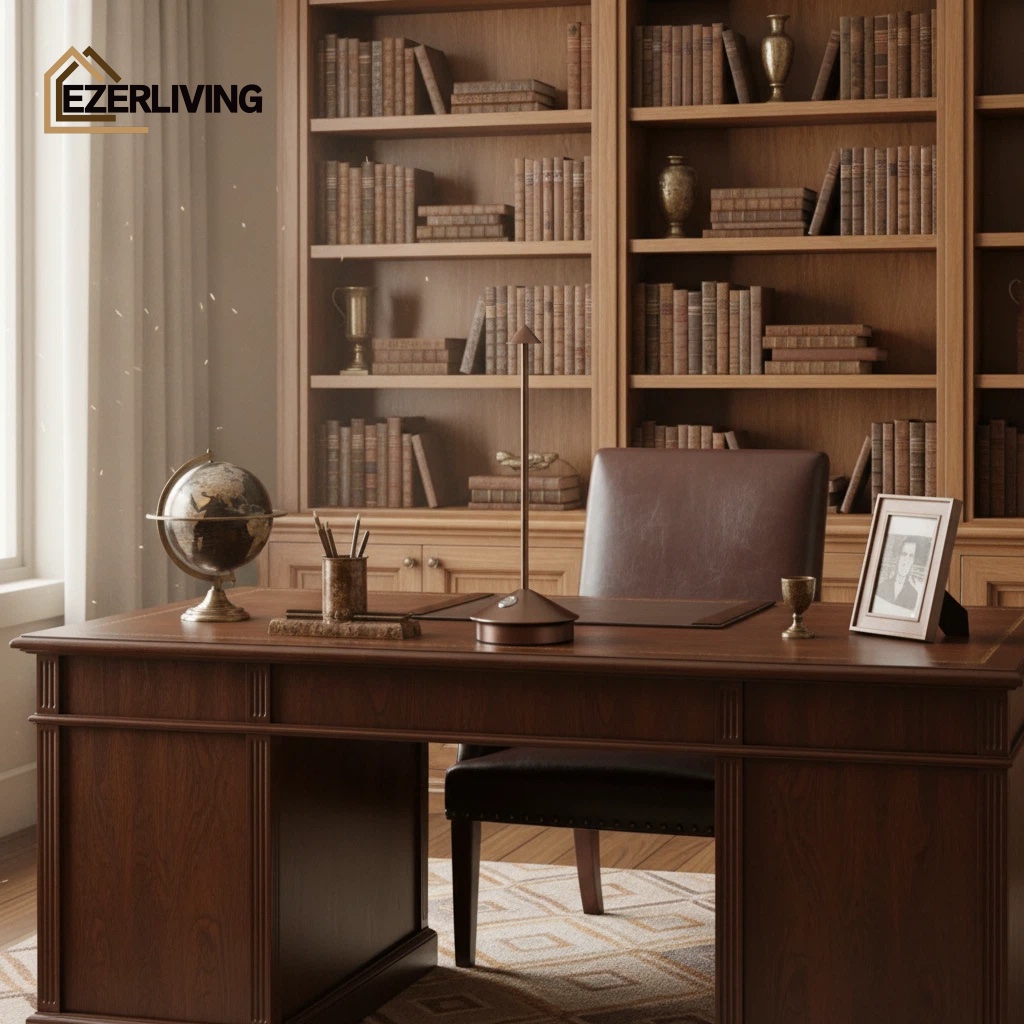
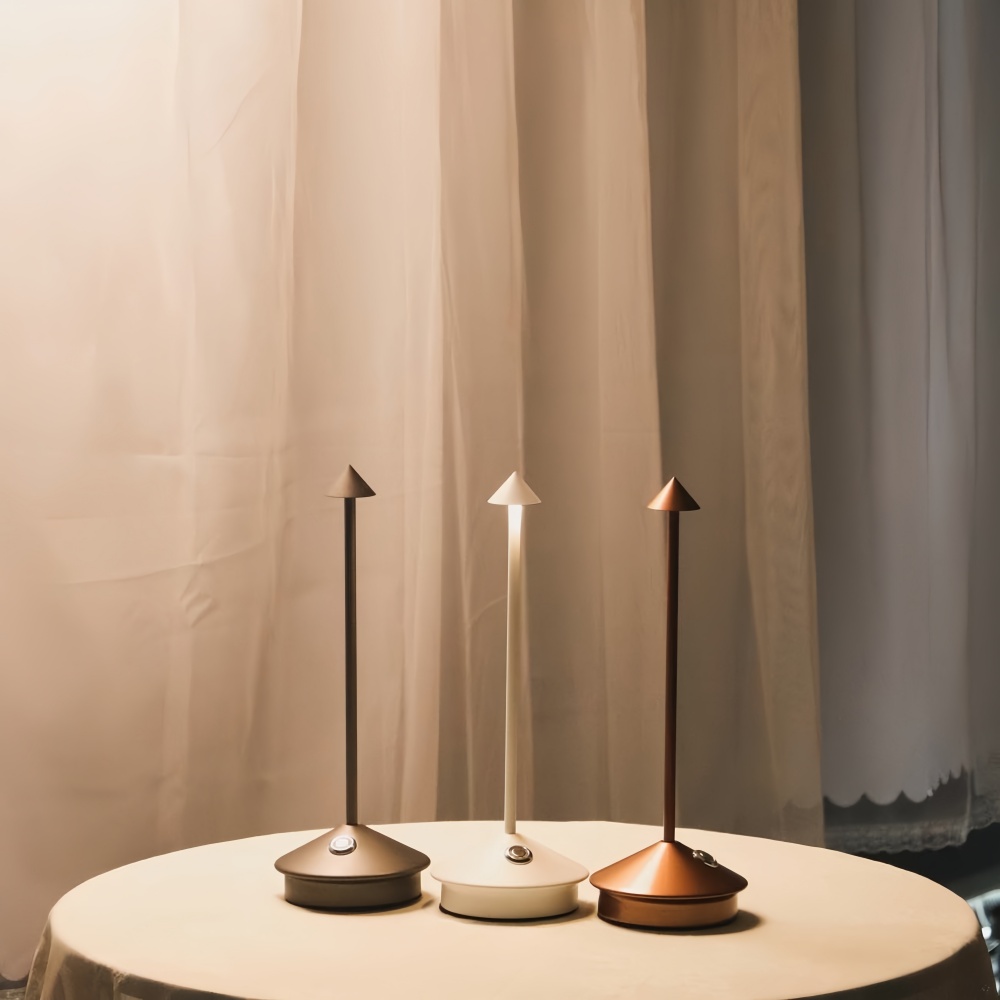
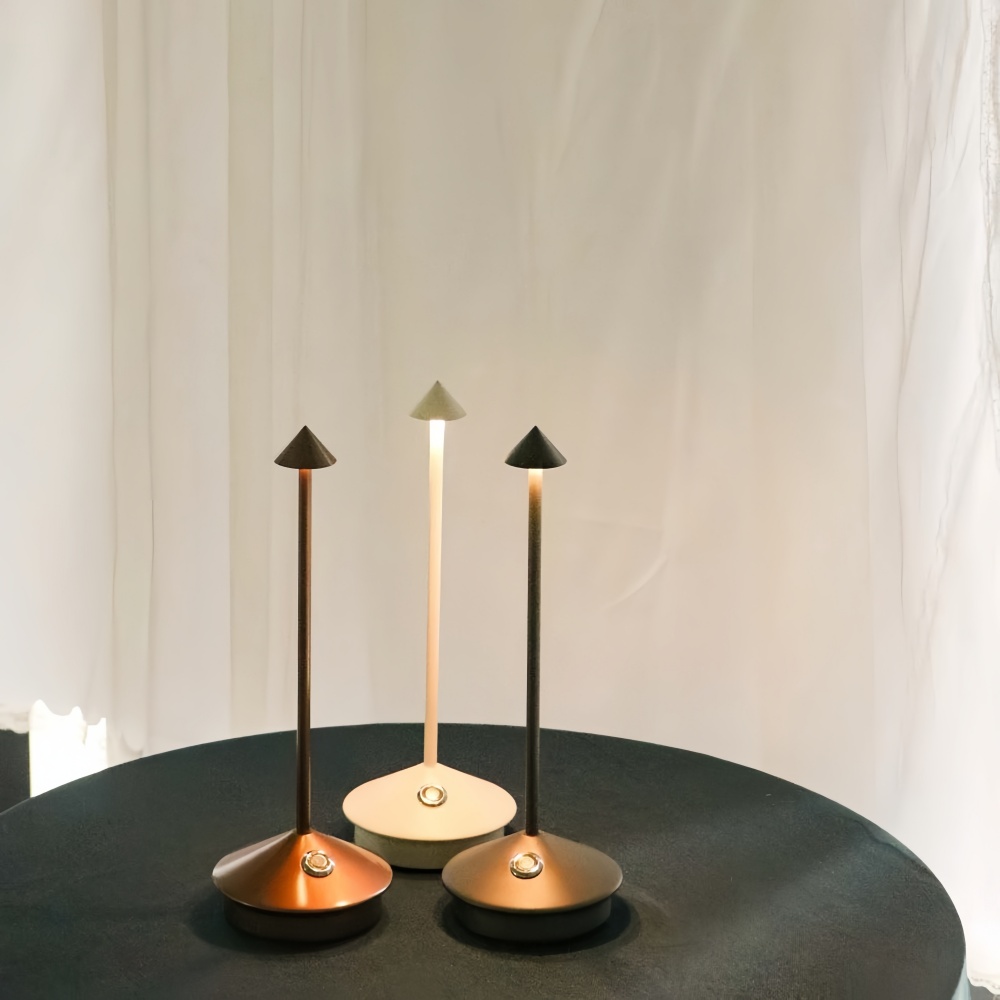
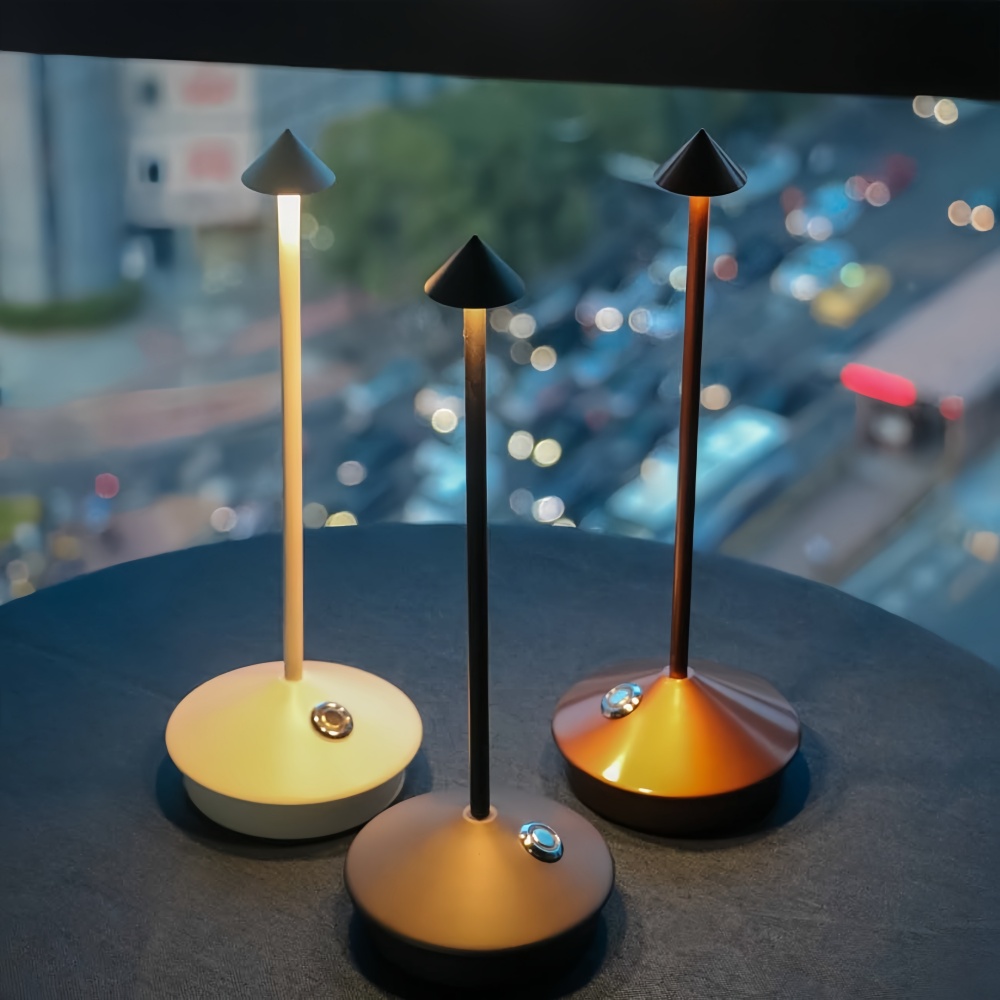
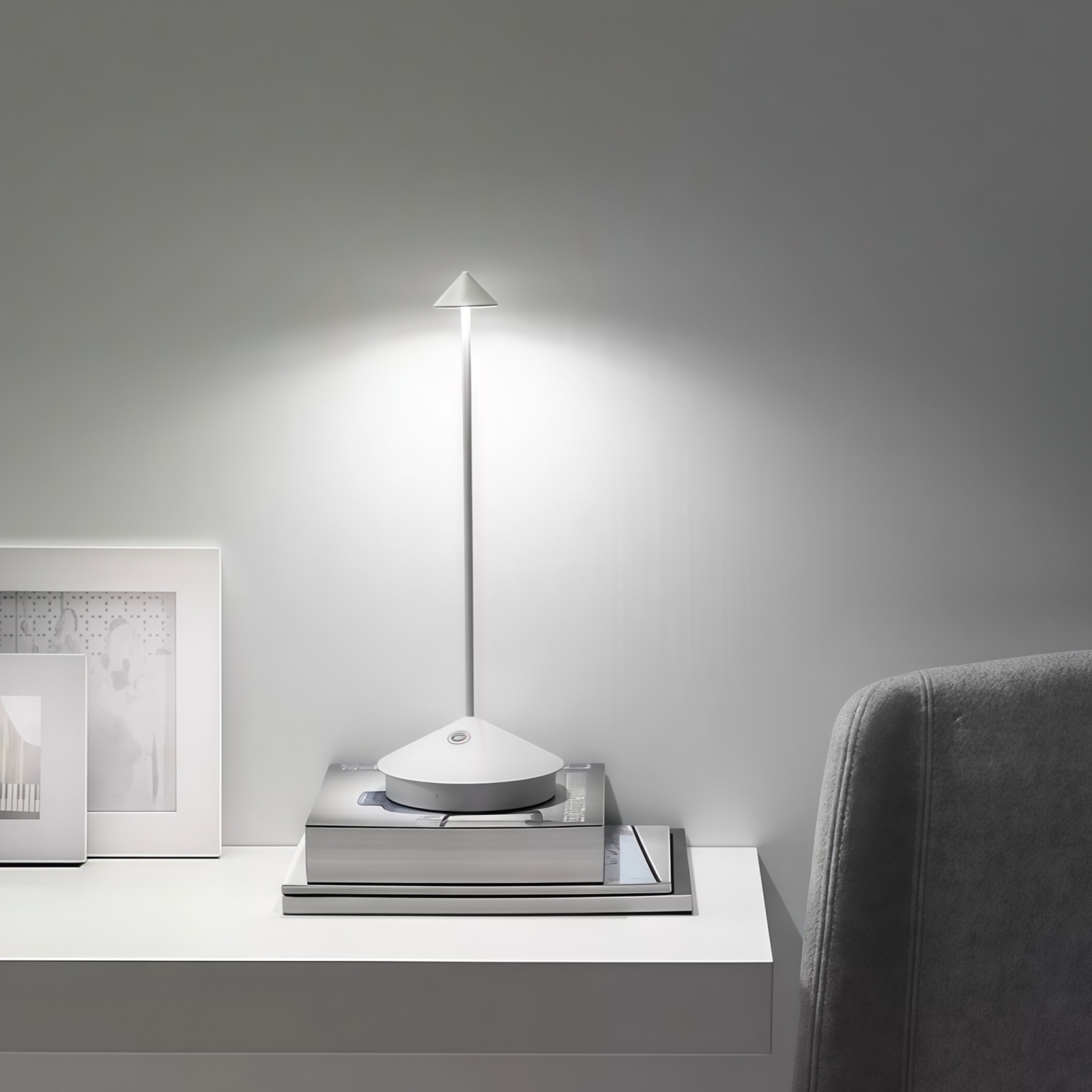
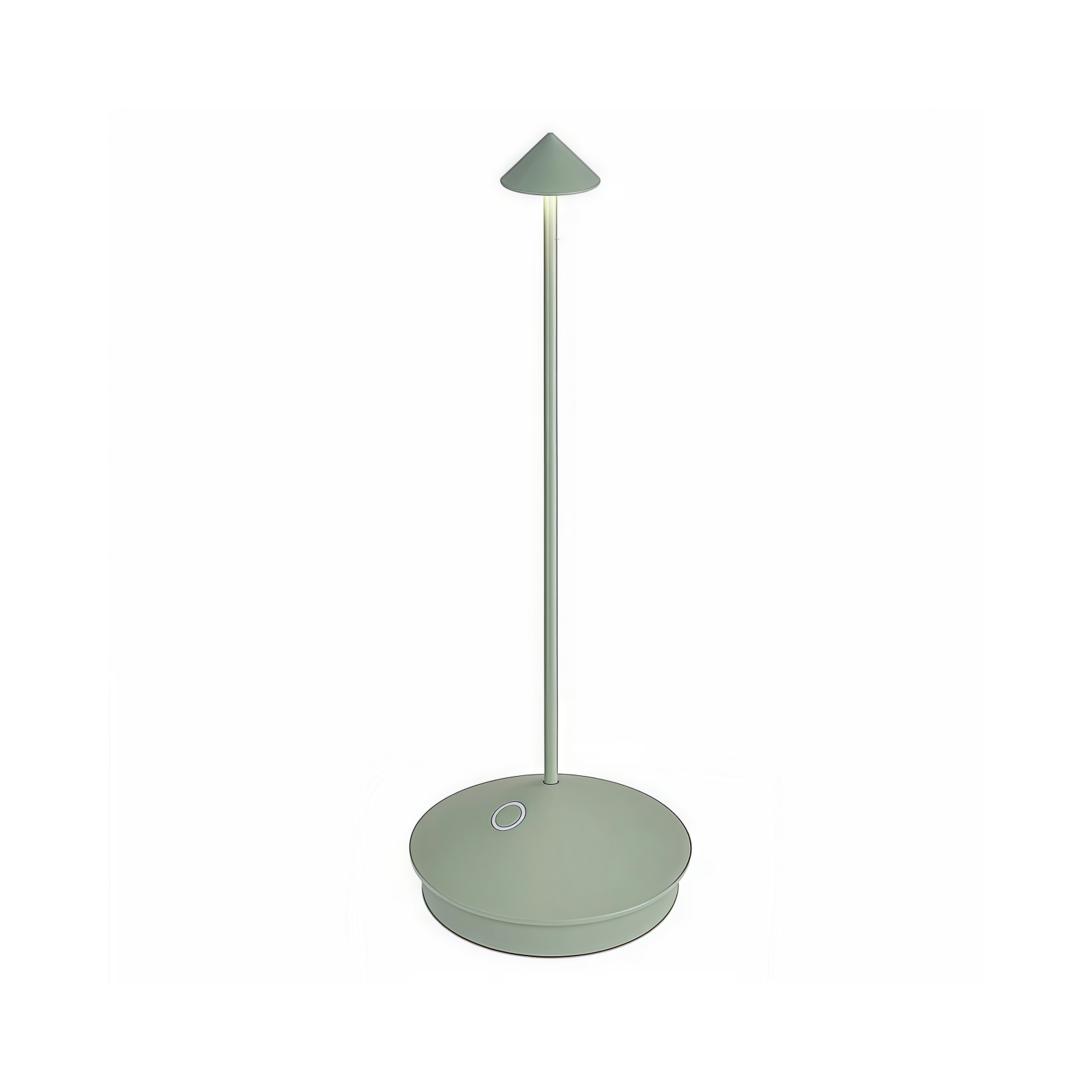
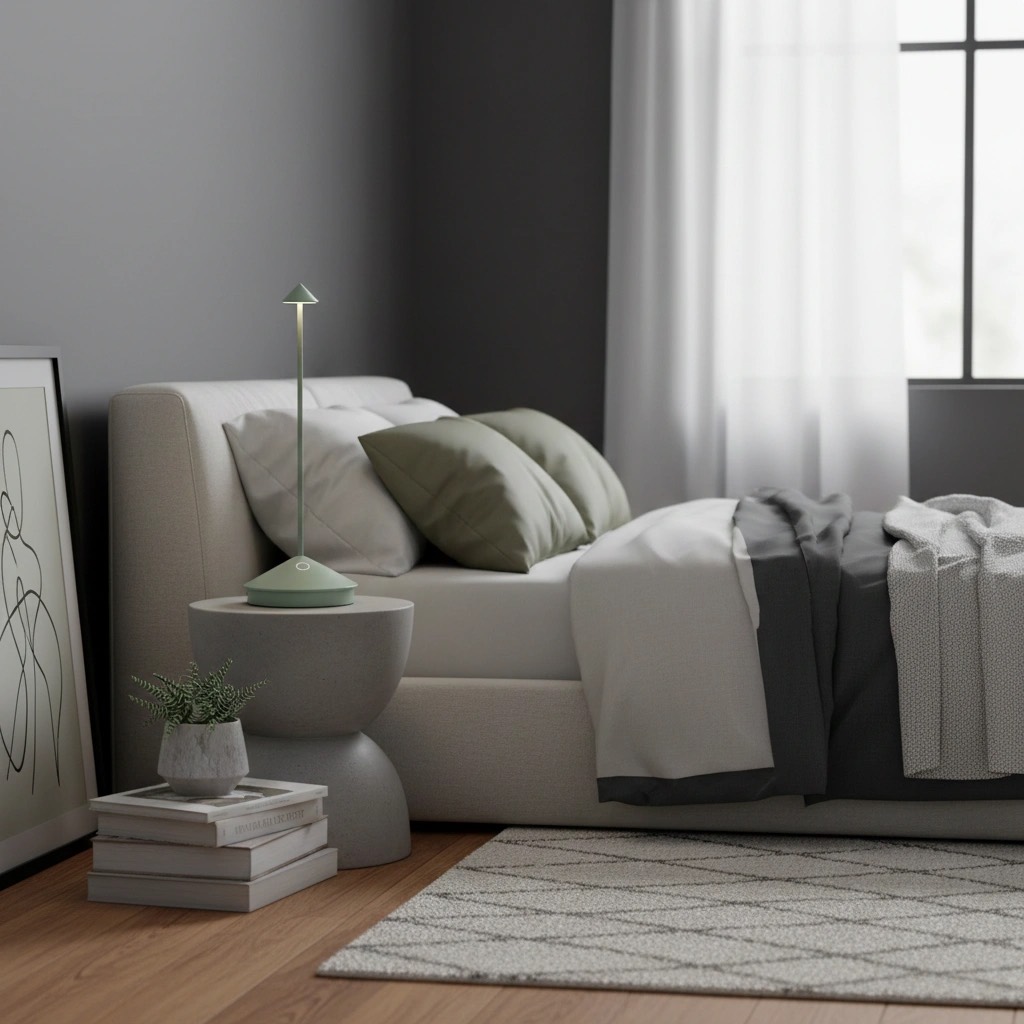
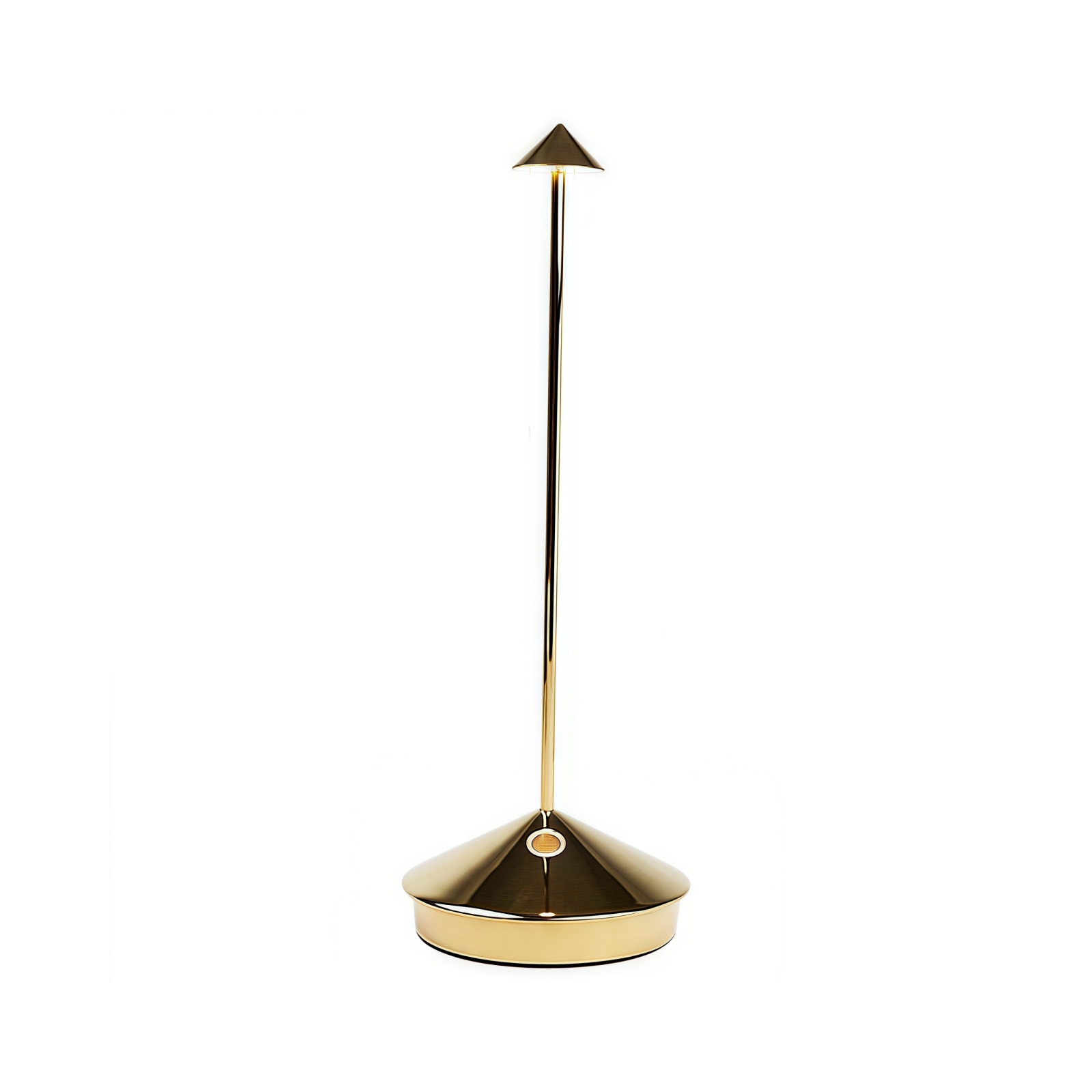
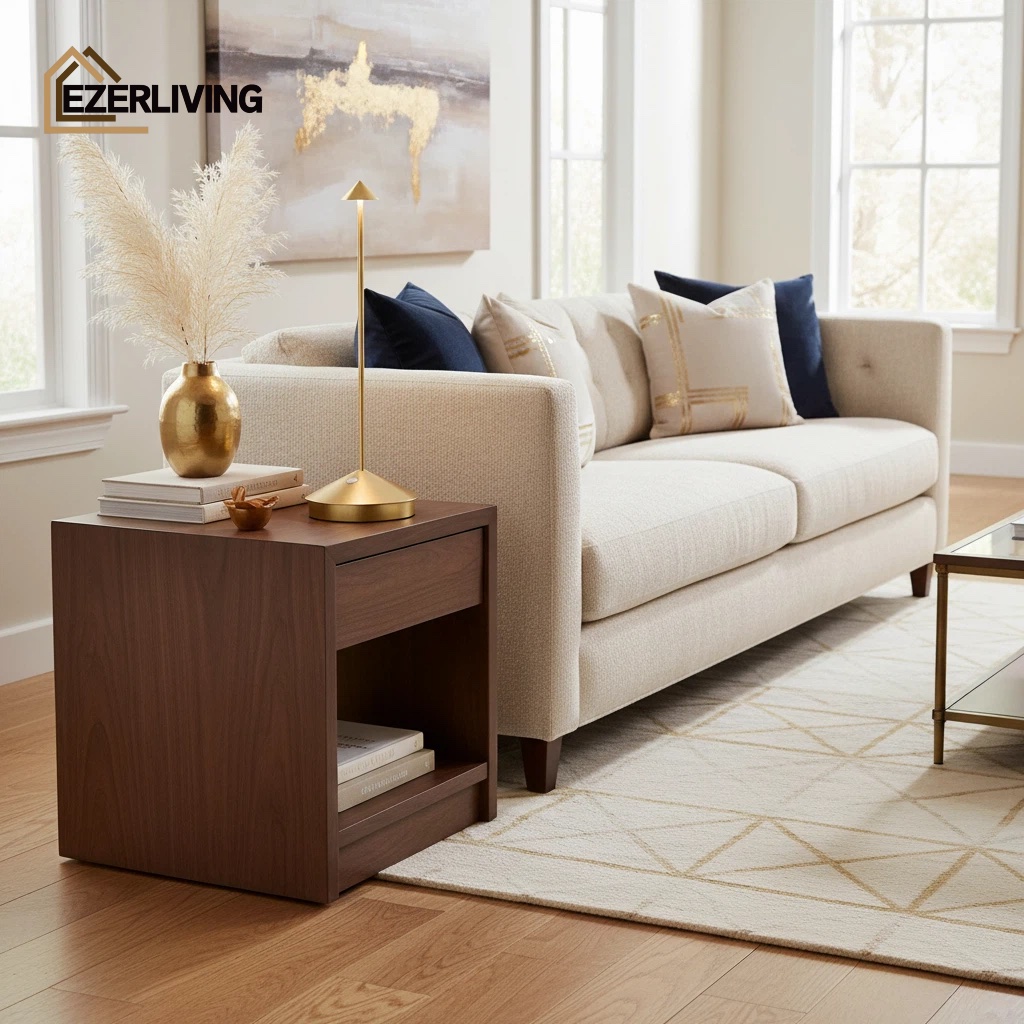
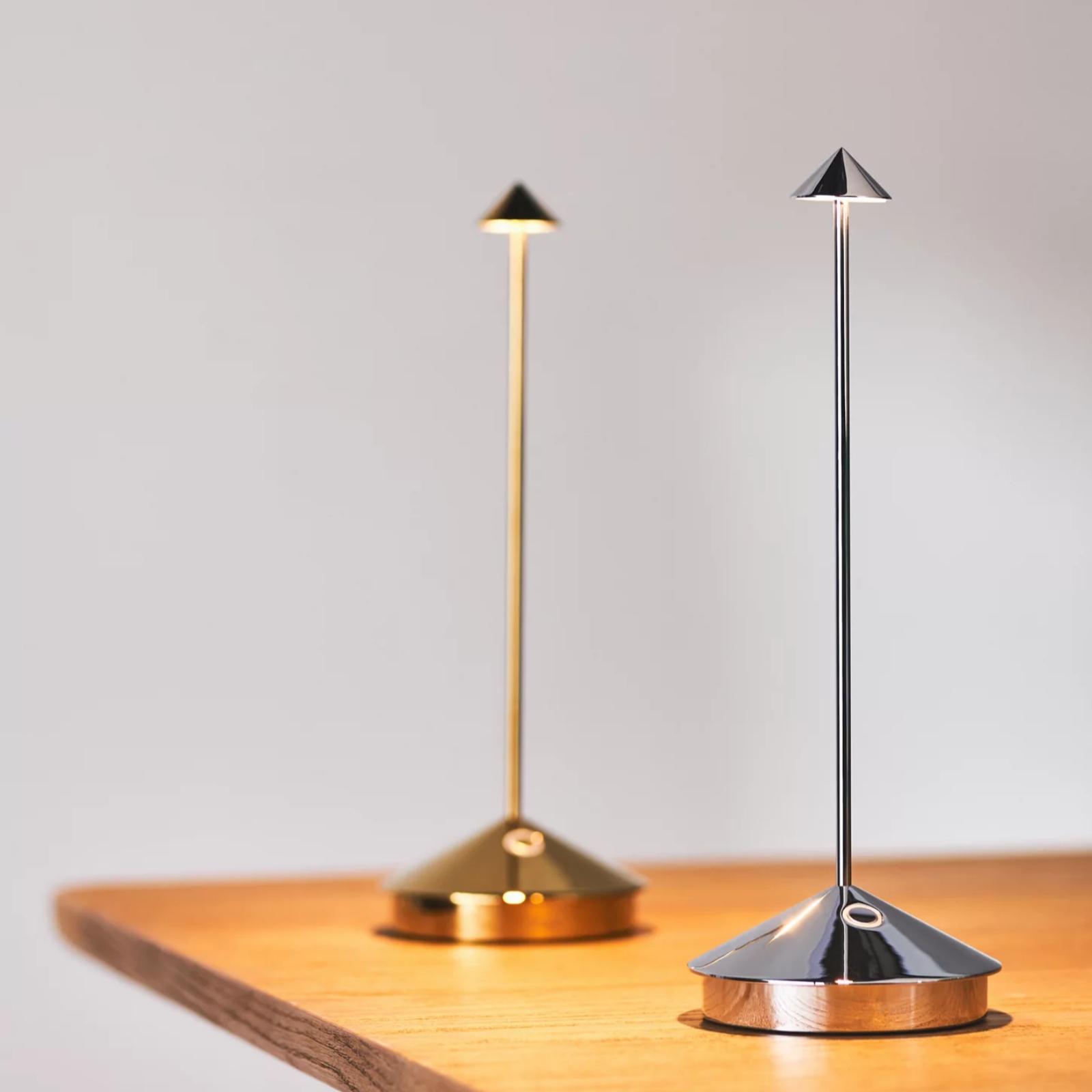
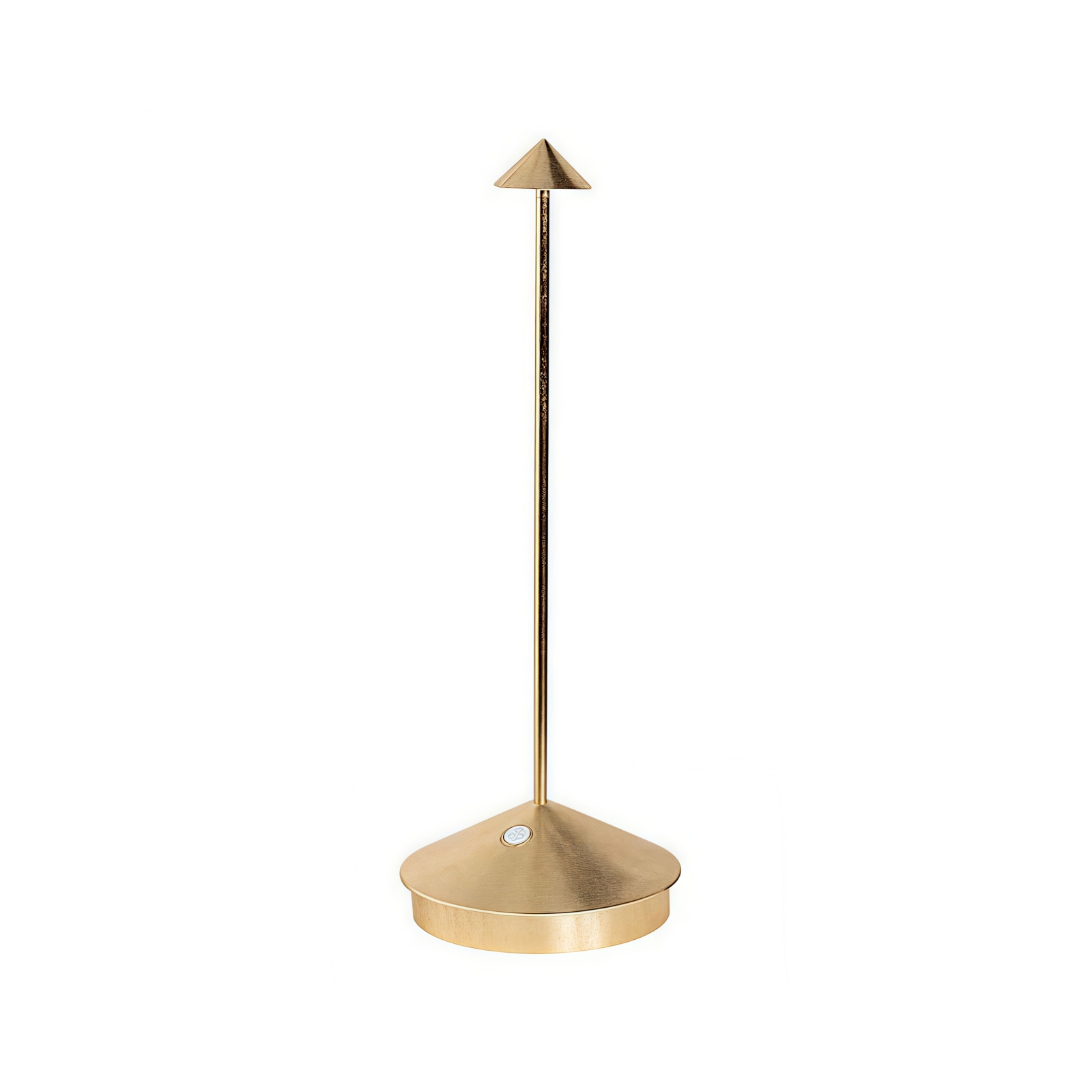
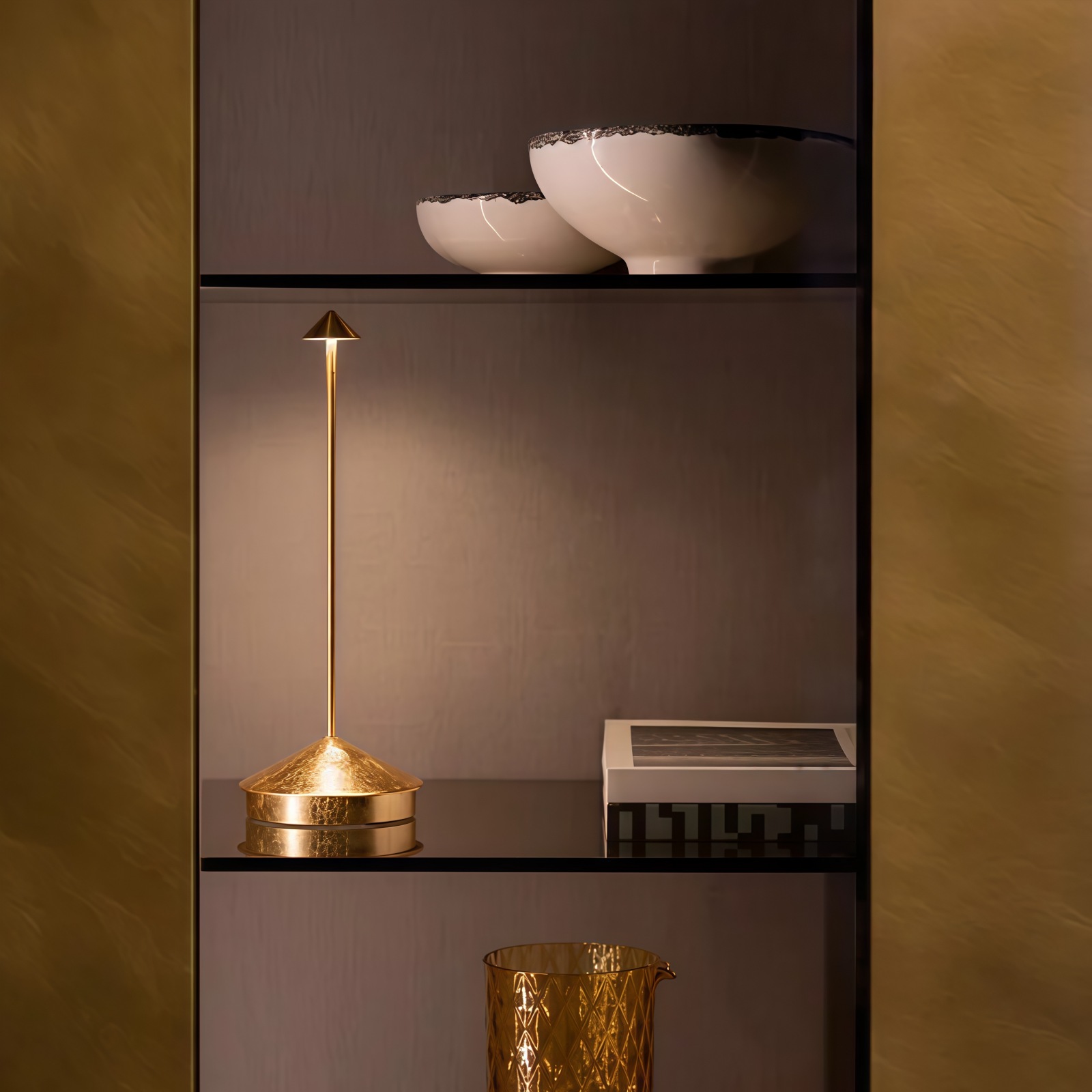
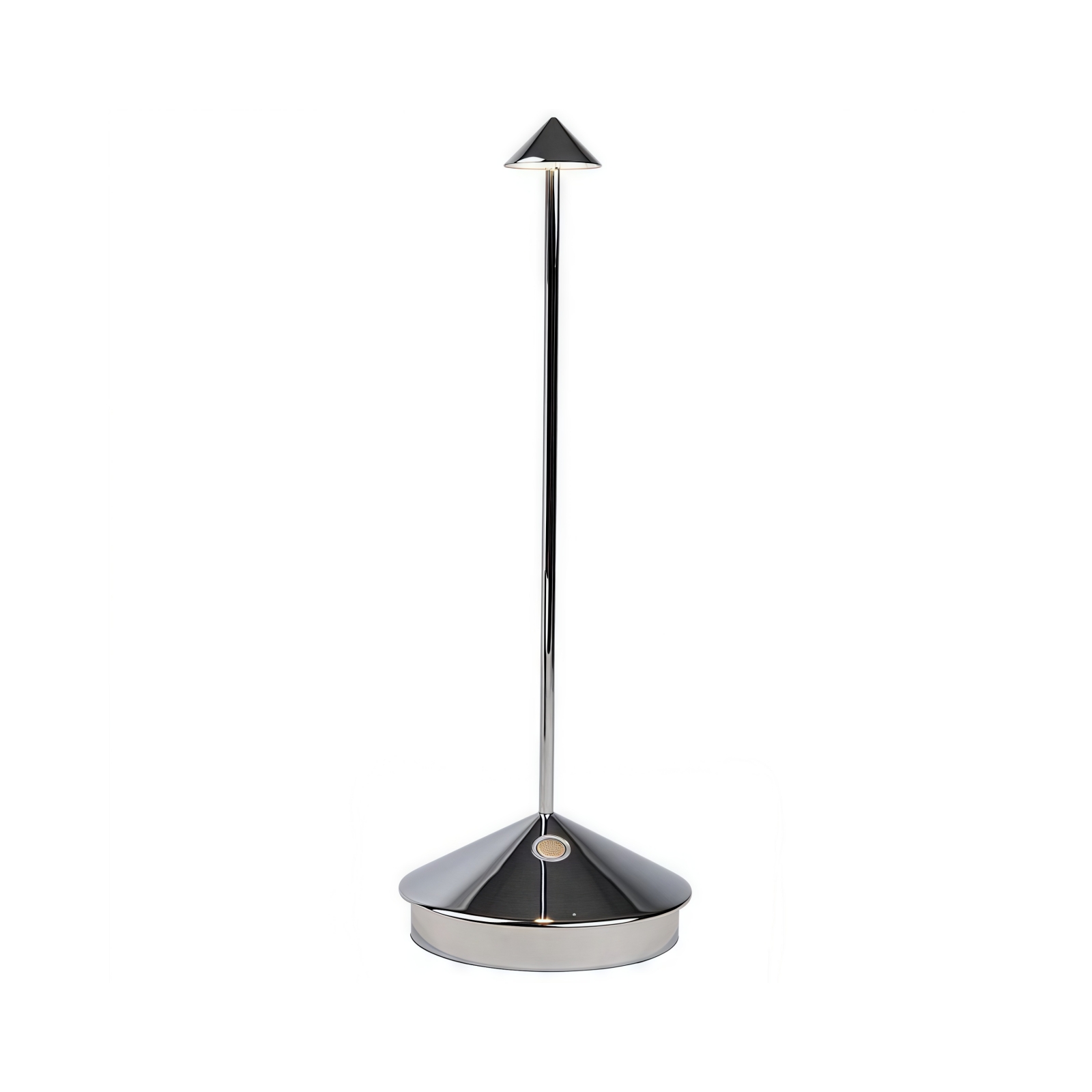
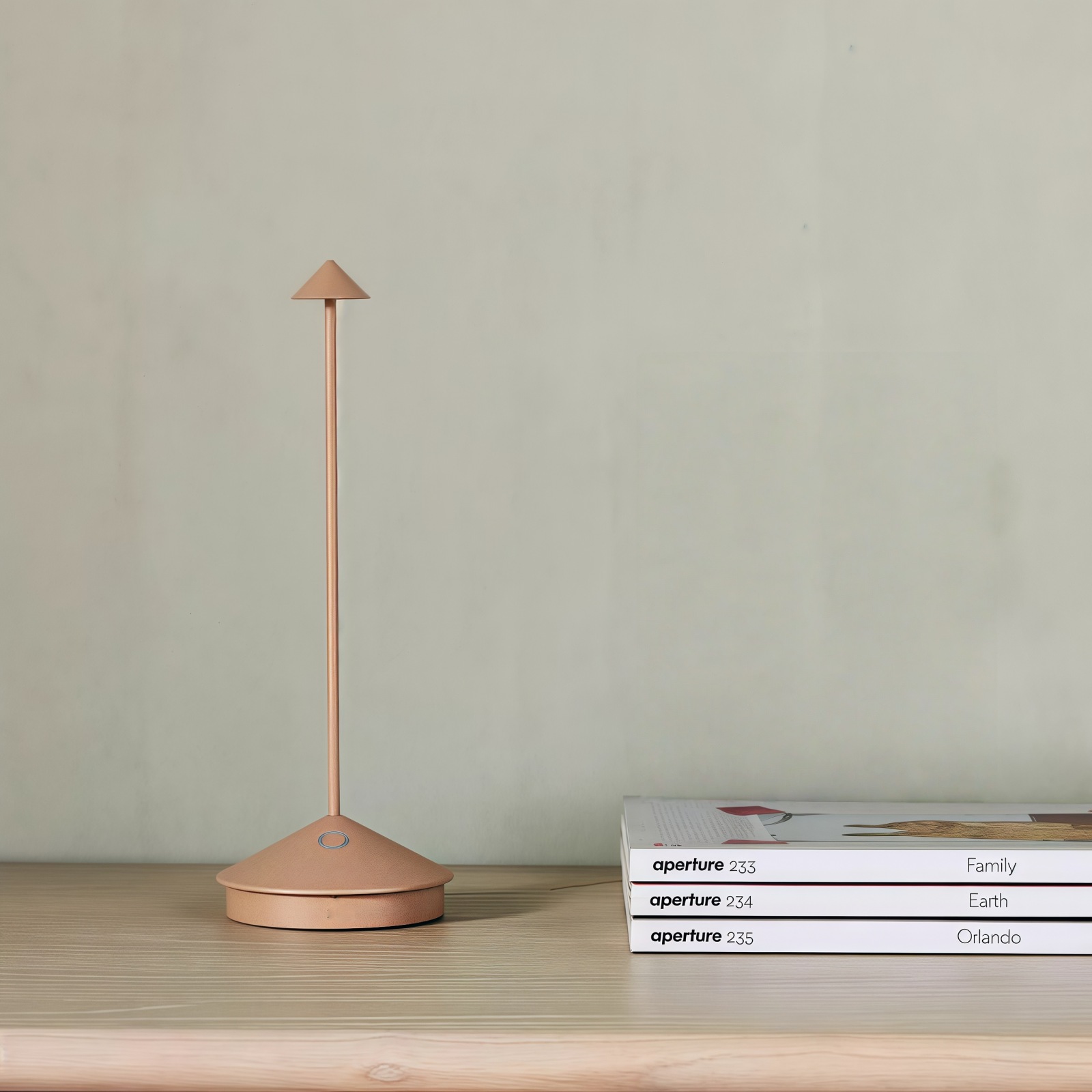
Wykończenie również ma znaczenie. Piasek, biel lub szałwia wtapiają się w jasne, naturalne wnętrza. Chrom i złoto dodają ostrzejszego blasku, który sprawia, że lampa wygląda jak obiekt, a brąz dobrze komponuje się z drewnem. Wybór wykończenia nie polega na dopasowaniu każdego metalu, a raczej na tym, czy lampa ma wtopić się w otoczenie, czy też pełnić rolę małej biżuterii.
Jeśli Twój stół zmienia funkcję w ciągu dnia, zapoznaj się z dostępnymi wykończeniami Glimma i wybierz takie, które będzie wyglądać przytulnie nawet po wyłączeniu lampy. Bezprzewodowa, akumulatorowa konstrukcja pozwala na przeniesienie tej samej lampy z blatu kuchennego na stół jadalny lub zadaszony taras.
Gdzie intymność zmienia się w atmosferę, a atmosfera w wartość
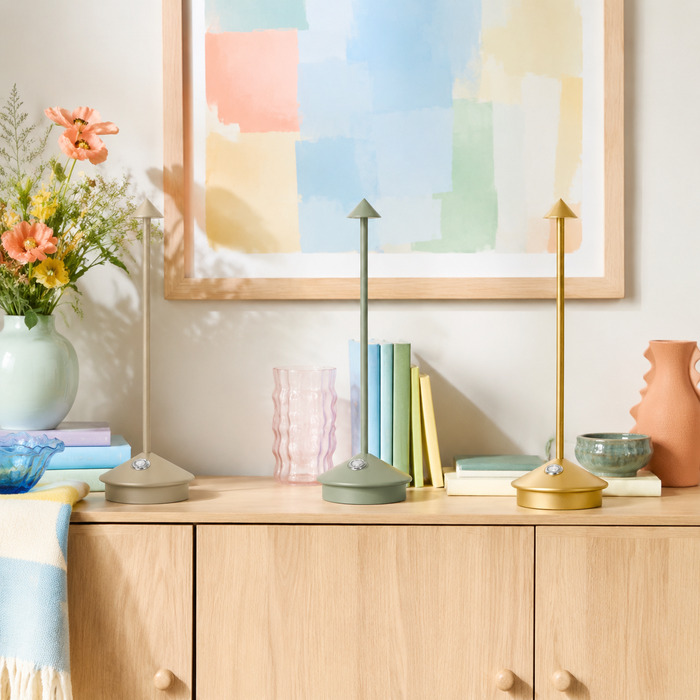
Ta sama zasada działa również poza domem. Restauracje, butiki i stoły eventowe wykorzystują lokalne światło, aby niewielka przestrzeń wydawała się przemyślanie skomponowana. Zamiast oświetlać każdą powierzchnię równomiernie, przenośna lampa może nadać każdemu stołowi lub wyznaczyć jego wizualny punkt centralny, nadając większej przestrzeni wielowarstwowy, przyjazny i przemyślany charakter.
Uroczystości dodają kolejny wymiar. Stoły weselne potrzebują ciepła, spójności i centralnego elementu, który goście będą mogli zobaczyć dookoła. Powtarzając to samo dyskretne światło na całym przyjęciu, można połączyć całą salę, jednocześnie zachowując intymną atmosferę każdego stołu.
Małe zmiany chroniące zaklęcie
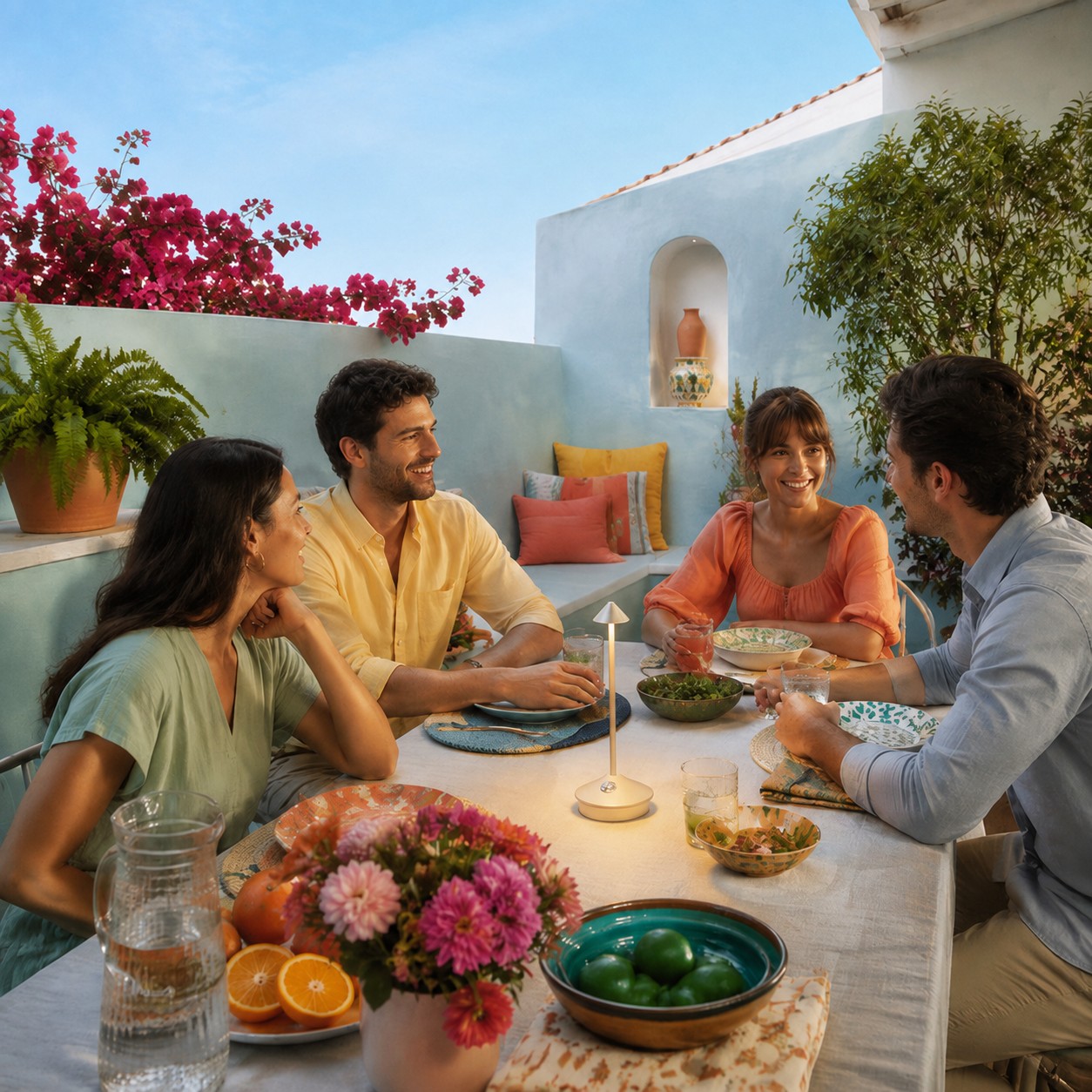
Nie ustawiaj lampy jako jedynego źródła światła w całkowicie ciemnym pomieszczeniu. Delikatne światło w tle zapobiega zmęczeniu oczu i sprawia, że otoczenie staje się przytulne. Unikaj ustawiania zbyt wielu identycznych lamp w małym domu; powtarzalność może sprawiać wrażenie komercyjnej. Nie myl też „przyćmionego” z „ciepłym”. Niższa jasność pomaga, ale barwa 3000 K lampy Glimma nadaje jej przyjemnie ciepły charakter.
Ta równowaga między powtarzalnością a intymnością staje się szczególnie ważna podczas większych uroczystości. Świece bez kompromisów: Dlaczego lampy na stół weselny zajmują centralne miejsce – artykuł omawia, jak przenośne lampy mogą stworzyć spójną poświatę na przyjęciu, jednocześnie zachowując dobrą widoczność i umożliwiając swobodne rozmowy przy każdym stole.
Gotowy stworzyć stół, wokół którego ludzie naturalnie się gromadzą? Zobacz przenośną lampę LED Glimma , a następnie zacznij od jednej lampy i dostosuj oświetlenie pomieszczenia do osób, a nie do oprawy.
Zanim przyciemnisz pokój: pytania, które warto zadać
Jak jasne powinno być światło lampy stołowej podczas obiadu?
Wystarczająco jasne, aby wyraźnie widzieć twarze i jedzenie, ale wystarczająco niskie, aby lampa nie była pierwszą rzeczą, którą zauważysz. Zacznij od niskiego poziomu i stopniowo go zwiększaj.
Czy jedna lampa może oświetlić długi stół?
Jeden z nich sprawdza się w przypadku zwartej grupy. Długi stół zazwyczaj wydaje się bardziej zrównoważony z dwiema lampami rozmieszczonymi równomiernie.
Gdzie powinna znajdować się lampa?
W pobliżu centrum konwersacyjnego, poza bezpośrednią widocznością i z dala od przestrzeni służącej do prowadzenia rozmów.
Czy światło sufitowe powinno być wyłączone?
Nie zawsze. Bardzo niski poziom tła może zapewnić przyjemną atmosferę w pomieszczeniu, a jednocześnie skupić uwagę na stole.
Czy zakończenie zmienia nastrój?
Tak. Spokojne kolory wtapiają się w otoczenie; odblaskowe, metaliczne wykończenia sprawiają, że lampa stanowi mocniejszy akcent dekoracyjny.