Lighting Placement
The No-Big-Light Starter List: Seven Places a Table Lamp Earns Its Keep
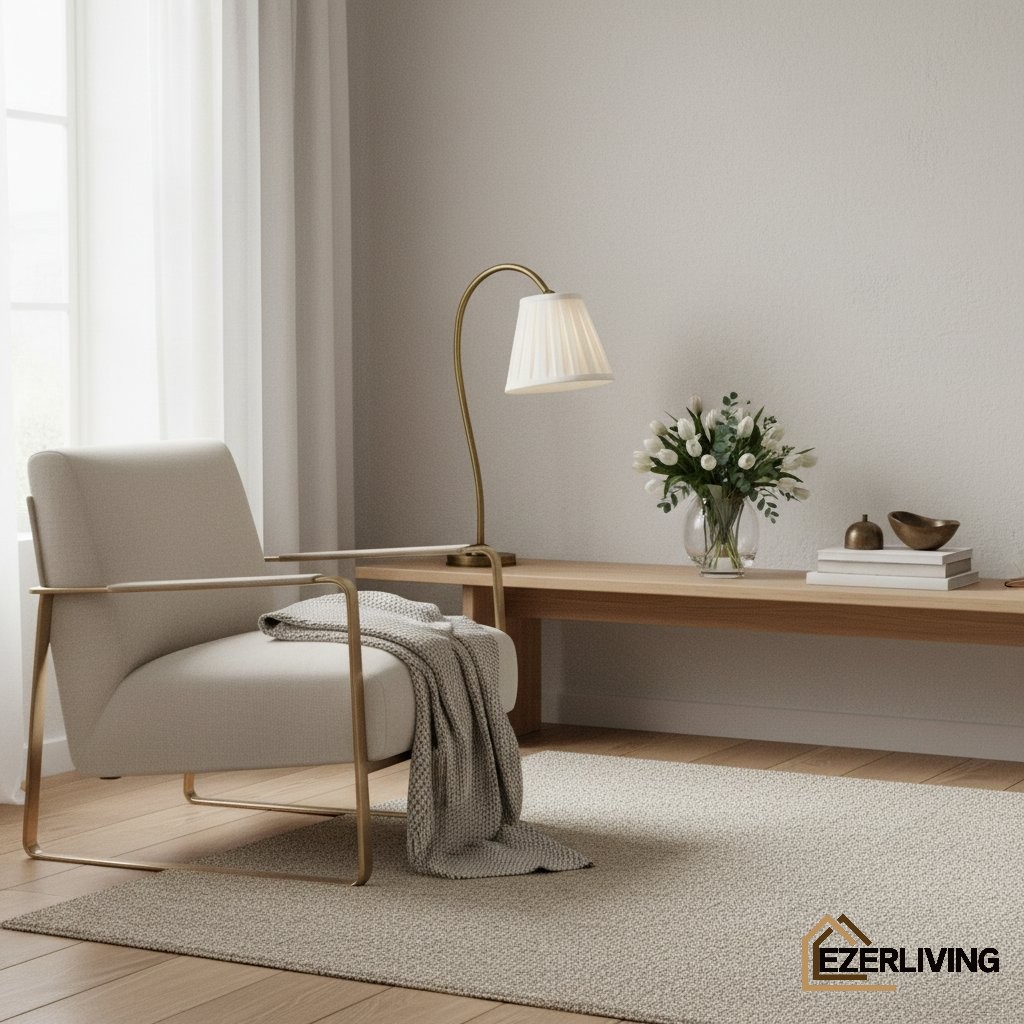
A room rarely needs to be brighter everywhere. It needs light in the places where evenings actually happen: beside the keys, behind the teapot, near the book, and across the room from the television.
The “no big light” idea is less a ban on ceiling fixtures than a refusal to make one overhead source do every job. A table lamp creates a lower, softer pool of light, which can make familiar furniture look considered after sunset. Start with one awkward or gloomy zone, not seven lamps purchased in a burst of enthusiasm.
Good evening light follows activity. It does not flatten the whole room into the same brightness.
01The entry console: light the landing strip
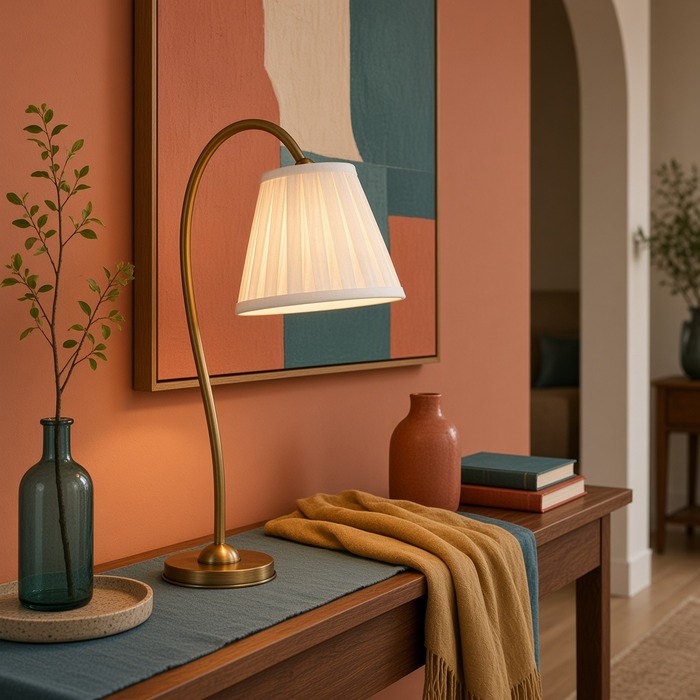
Entrances collect practical clutter because they are transition zones. A lamp gives the console a visual centre and makes keys, post and bags easier to find. Place it toward the wall-facing end rather than the edge nearest the route. The shade should clear doors, coat sleeves and swinging bags.
Measure first. Tape out the lamp footprint and walk past it carrying a shopping bag. A beautiful arrangement that catches an elbow is simply badly planned.
02The sofa side table: make conversation gentler
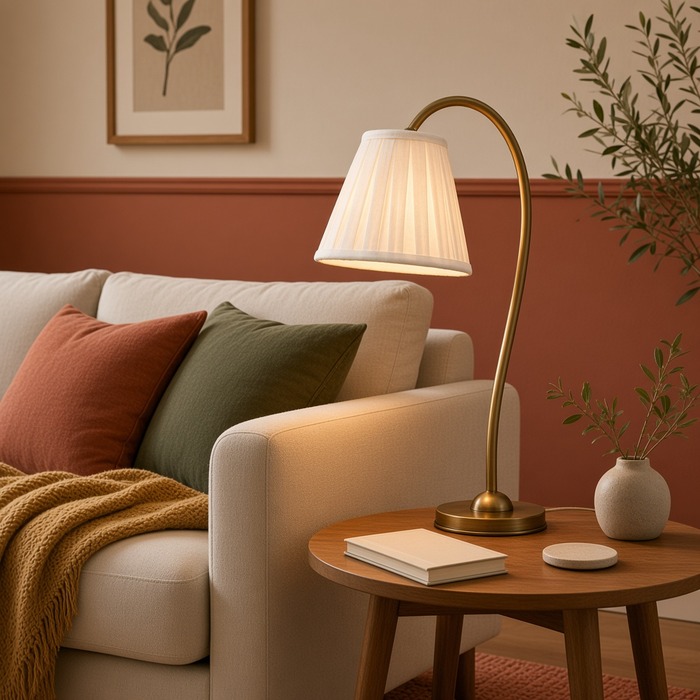
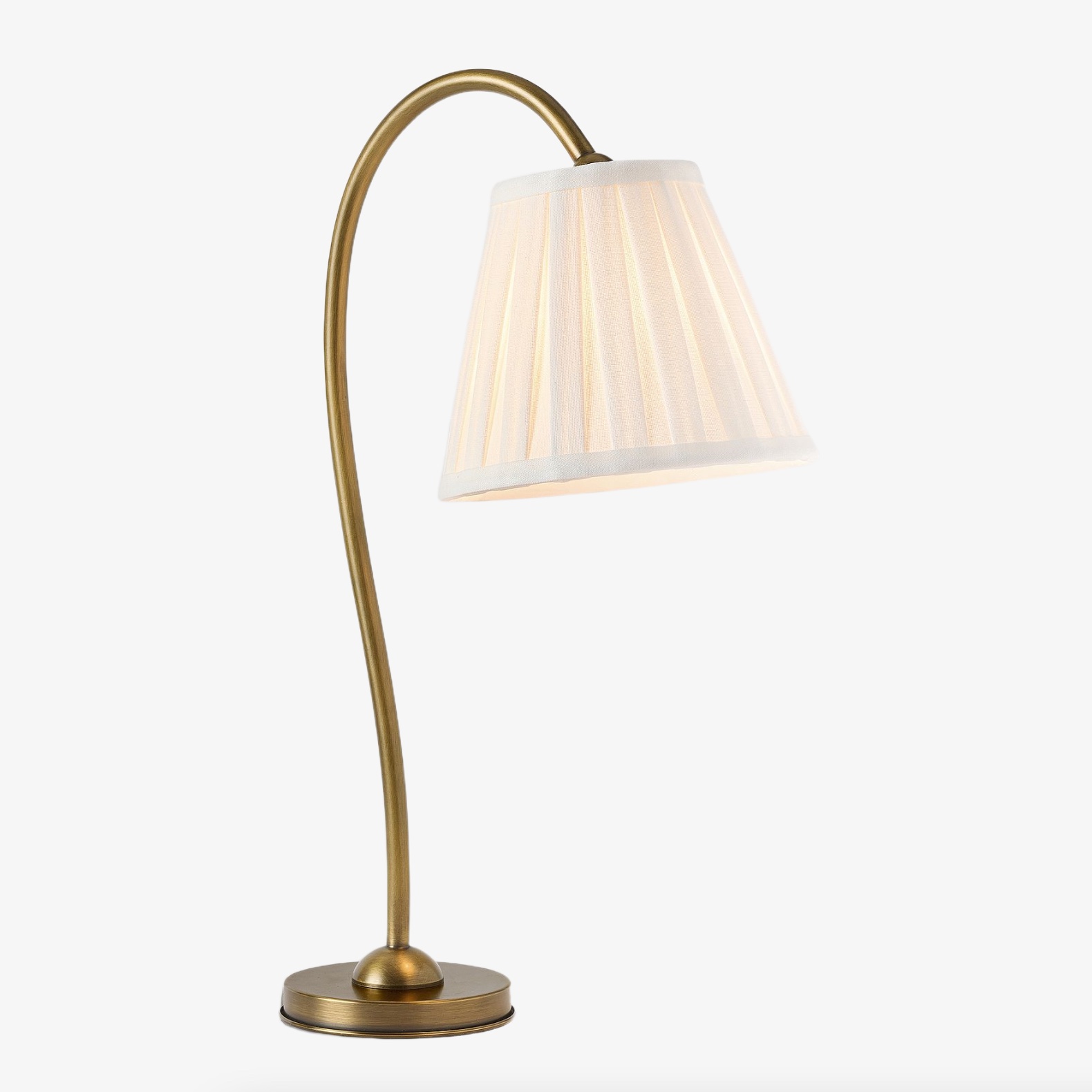
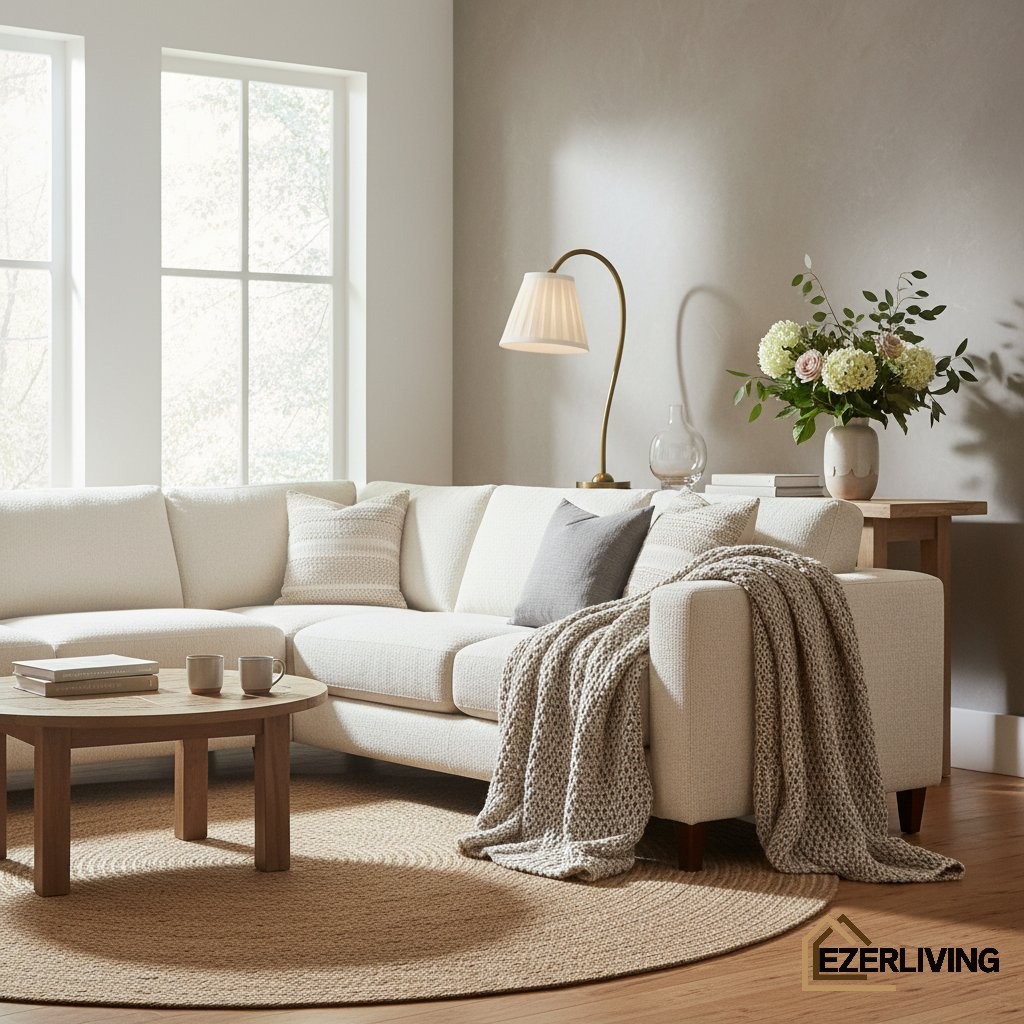
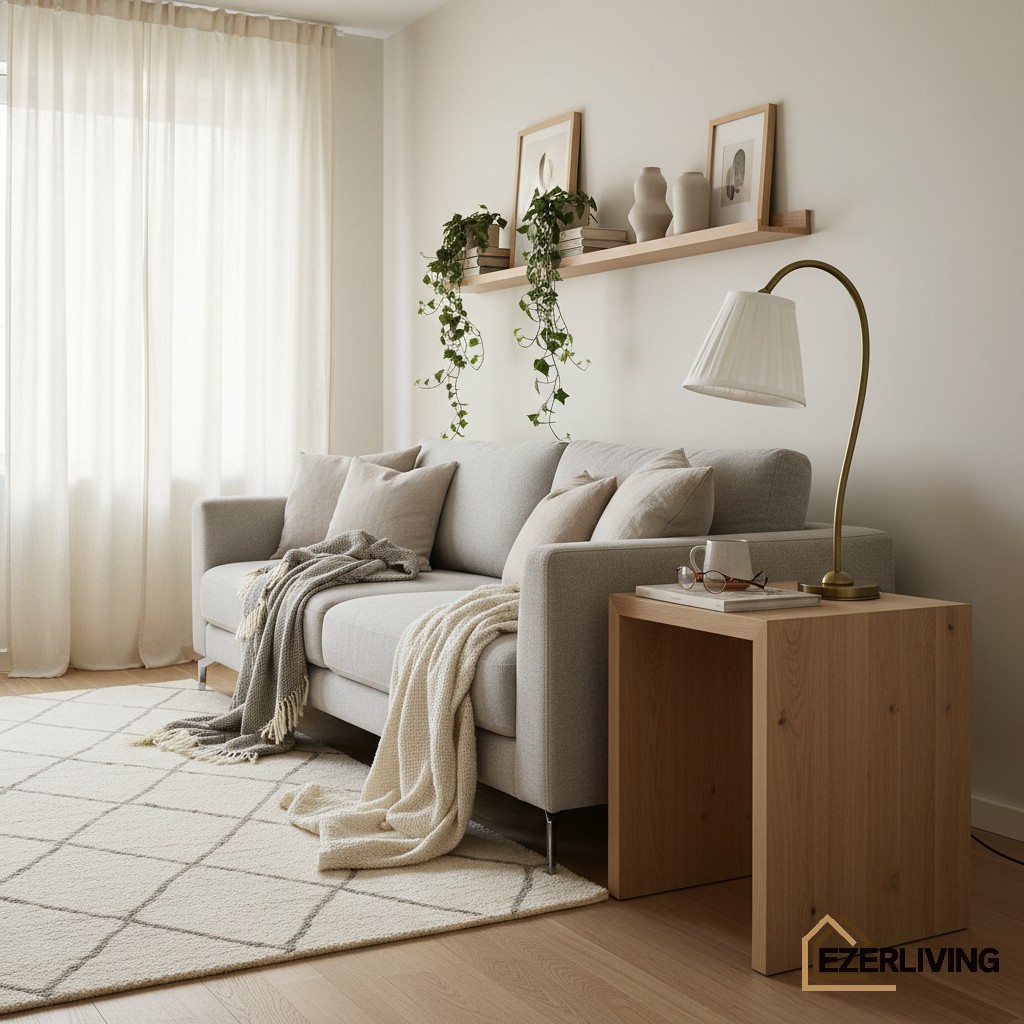
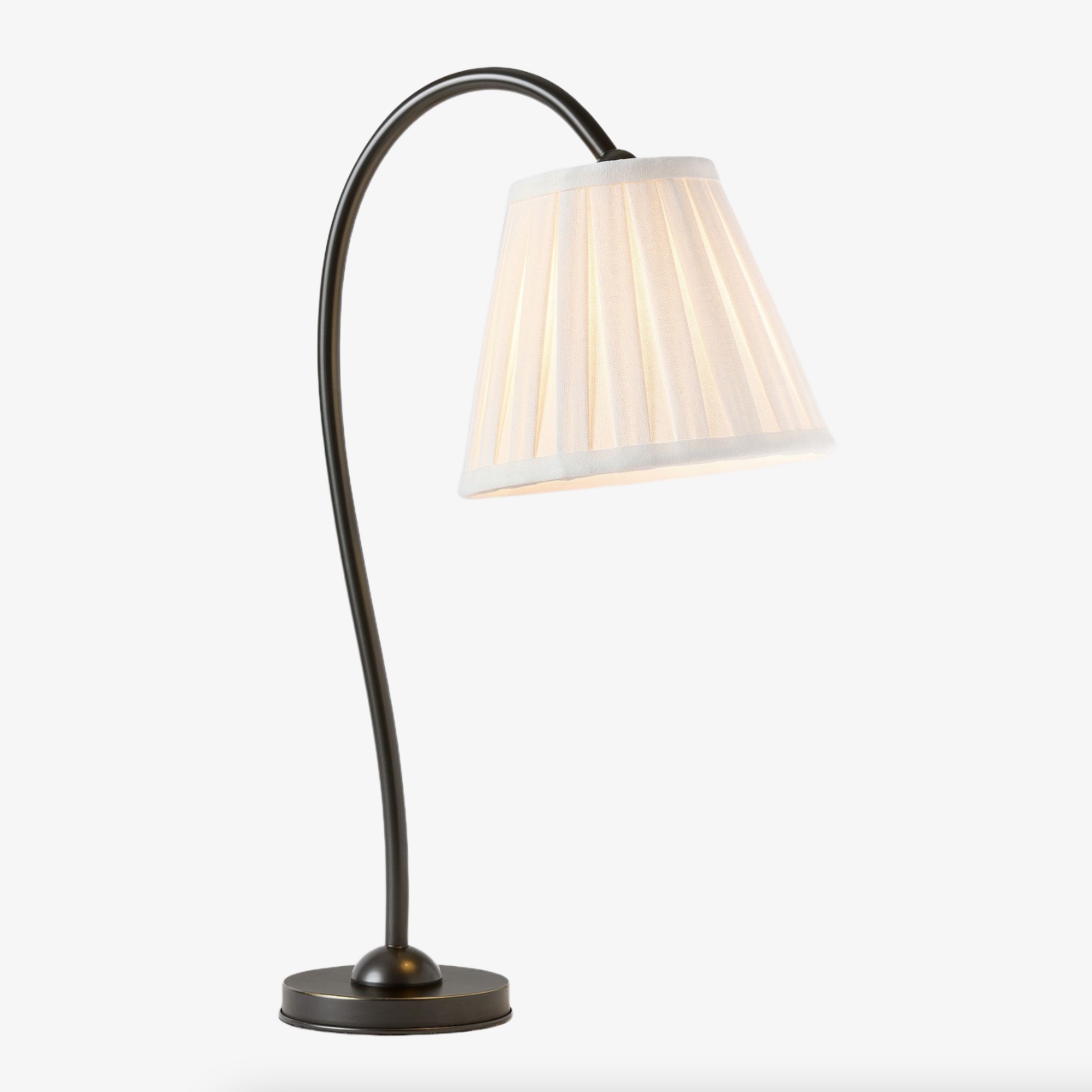
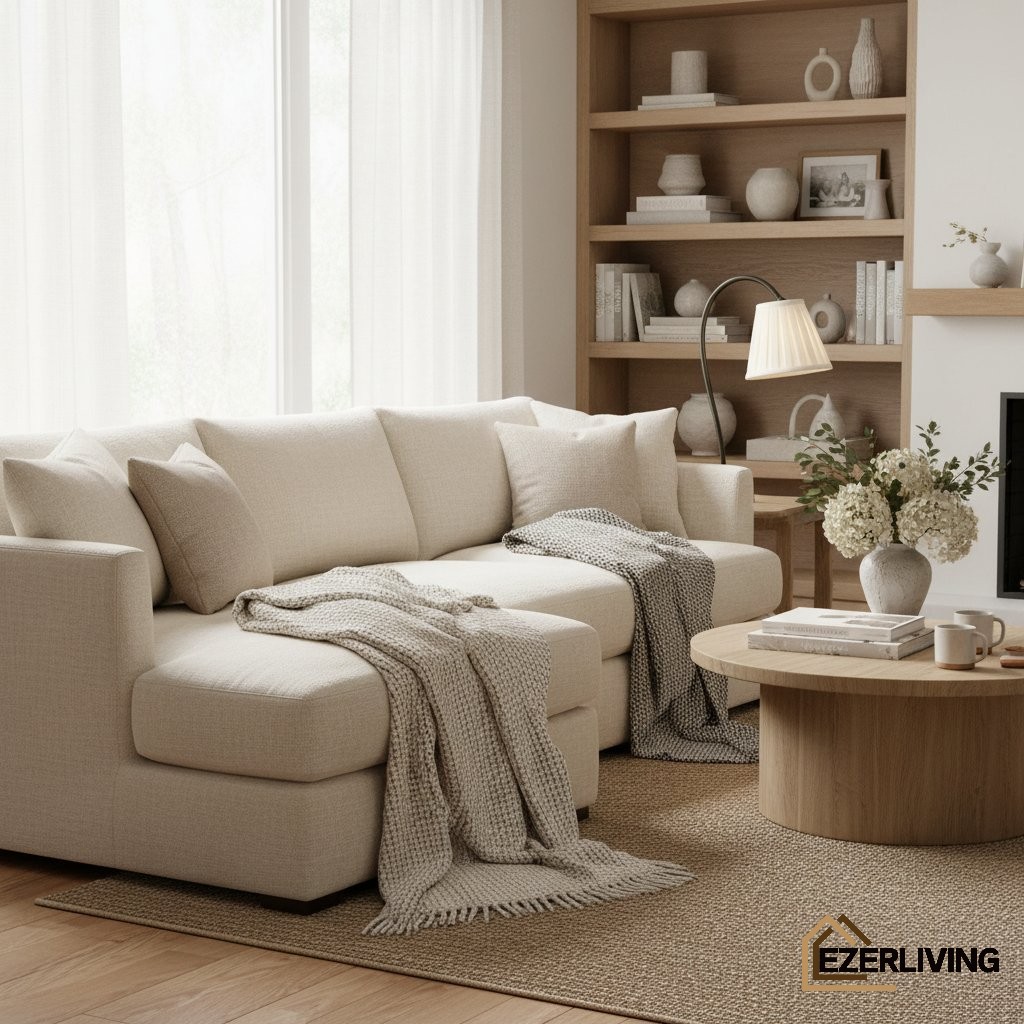
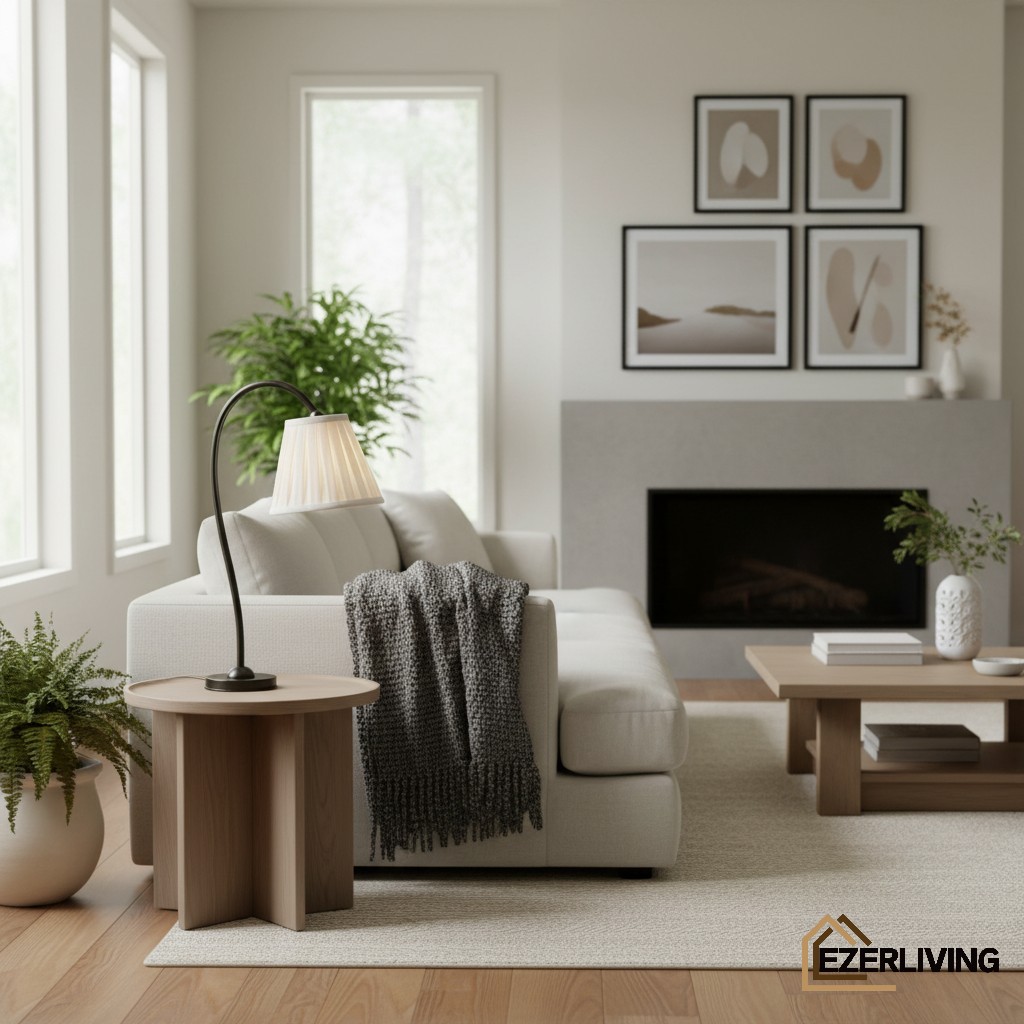
A lamp beside a sofa should illuminate a book or drink without shining directly into seated eyes. Look across the room from the opposite chair: if the bright bulb is visible below the shade, alter the table height or choose another location. The Luvora is listed at 50.8 cm high, so it needs a surface that places the shade comfortably around seated sightlines.
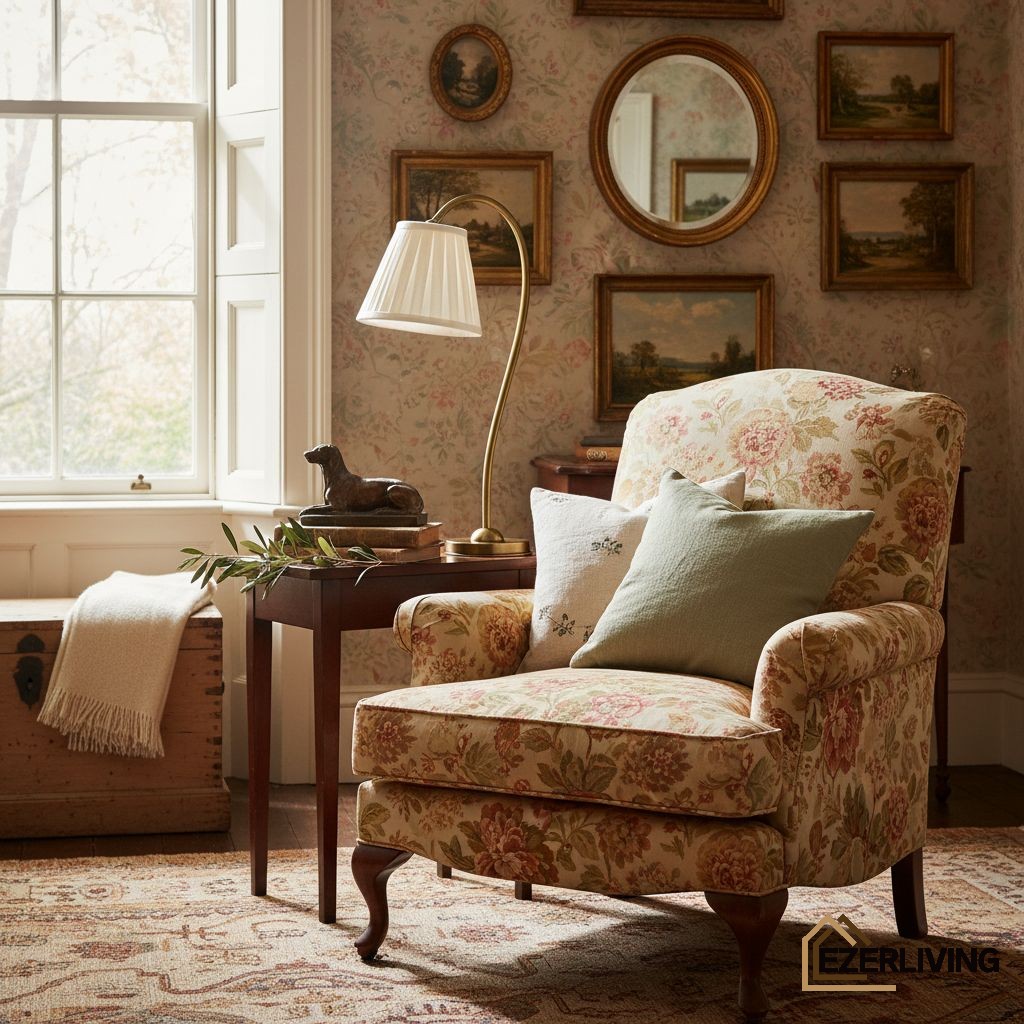
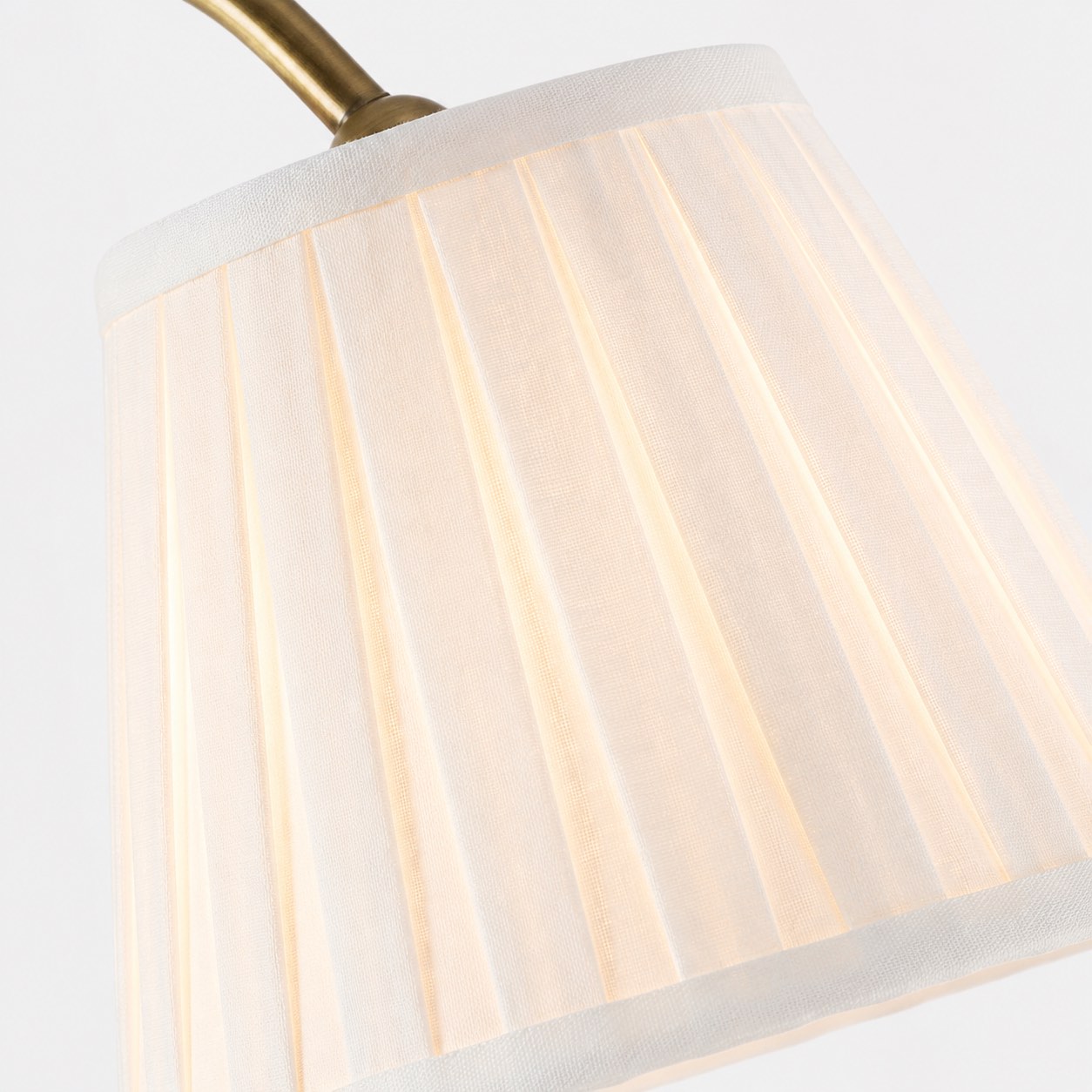
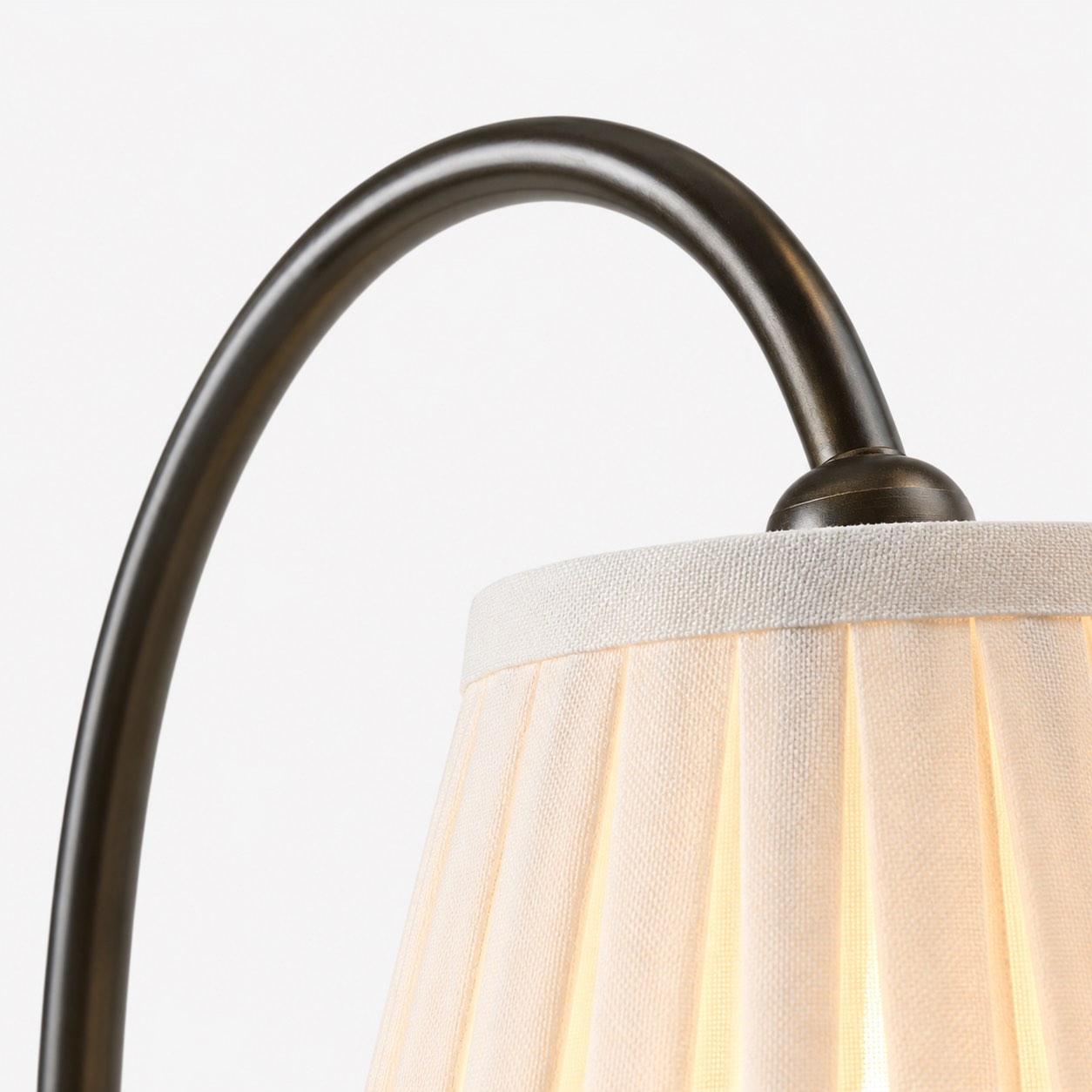
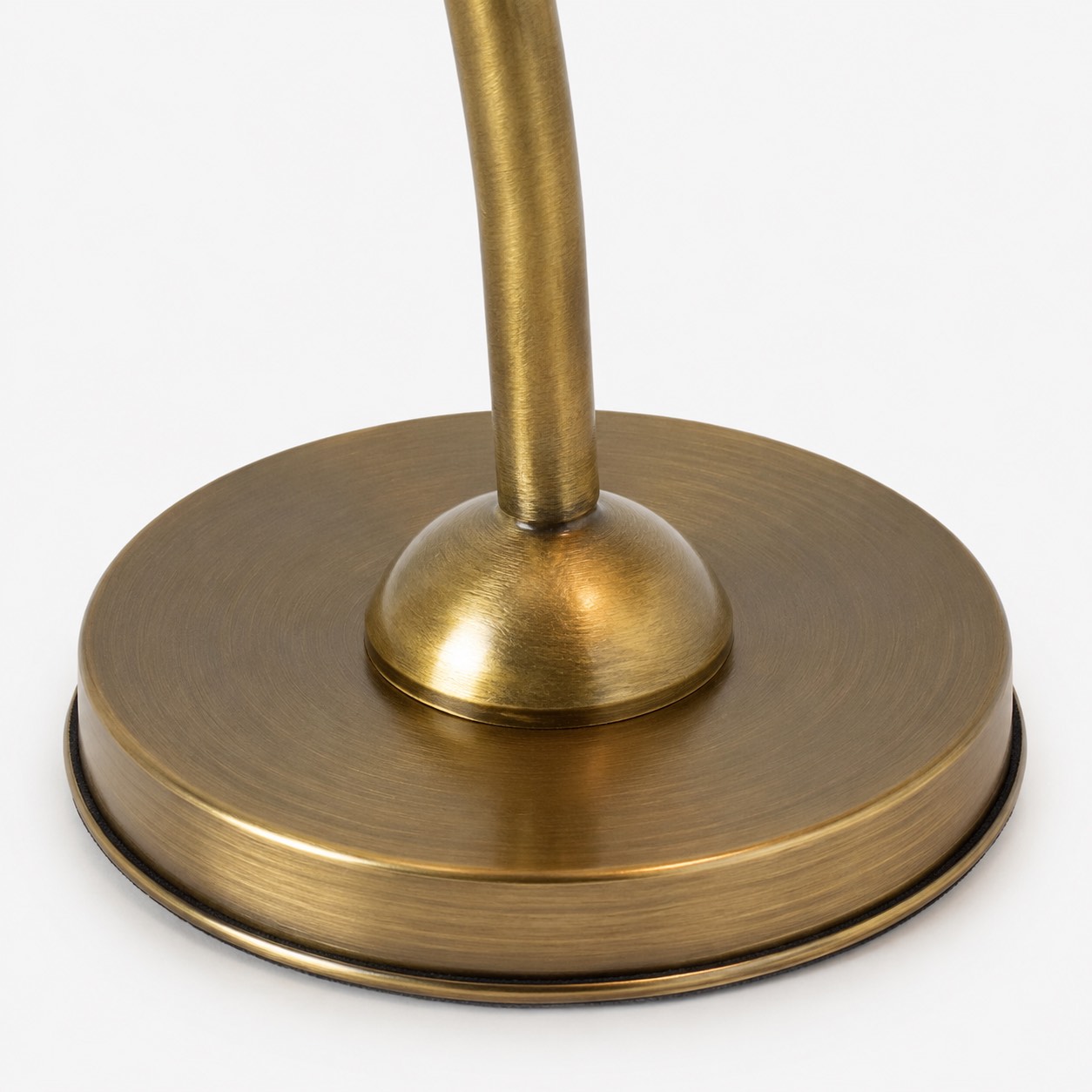
For a slim metal base and a pleated cotton-linen shade, view the Luvora table lamp and compare its 22.7 by 12.7 cm footprint with your side table.
03The bedside table: leave room for real life
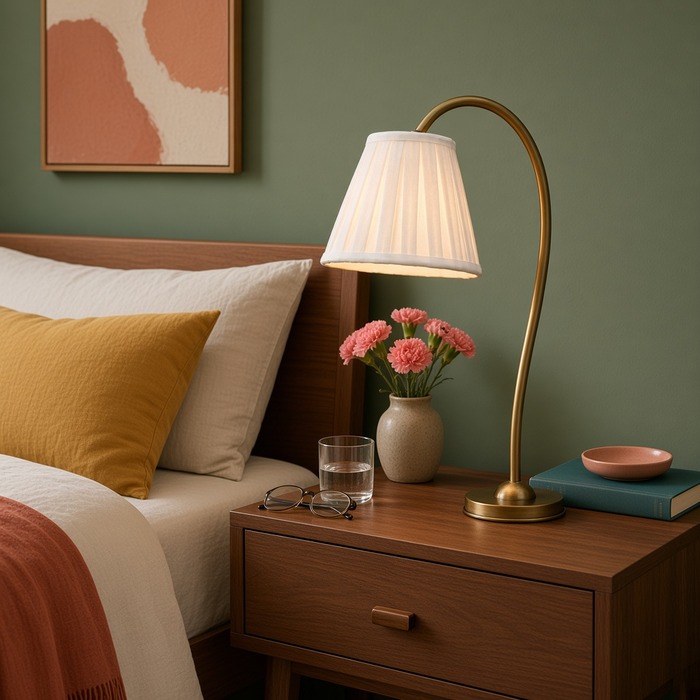
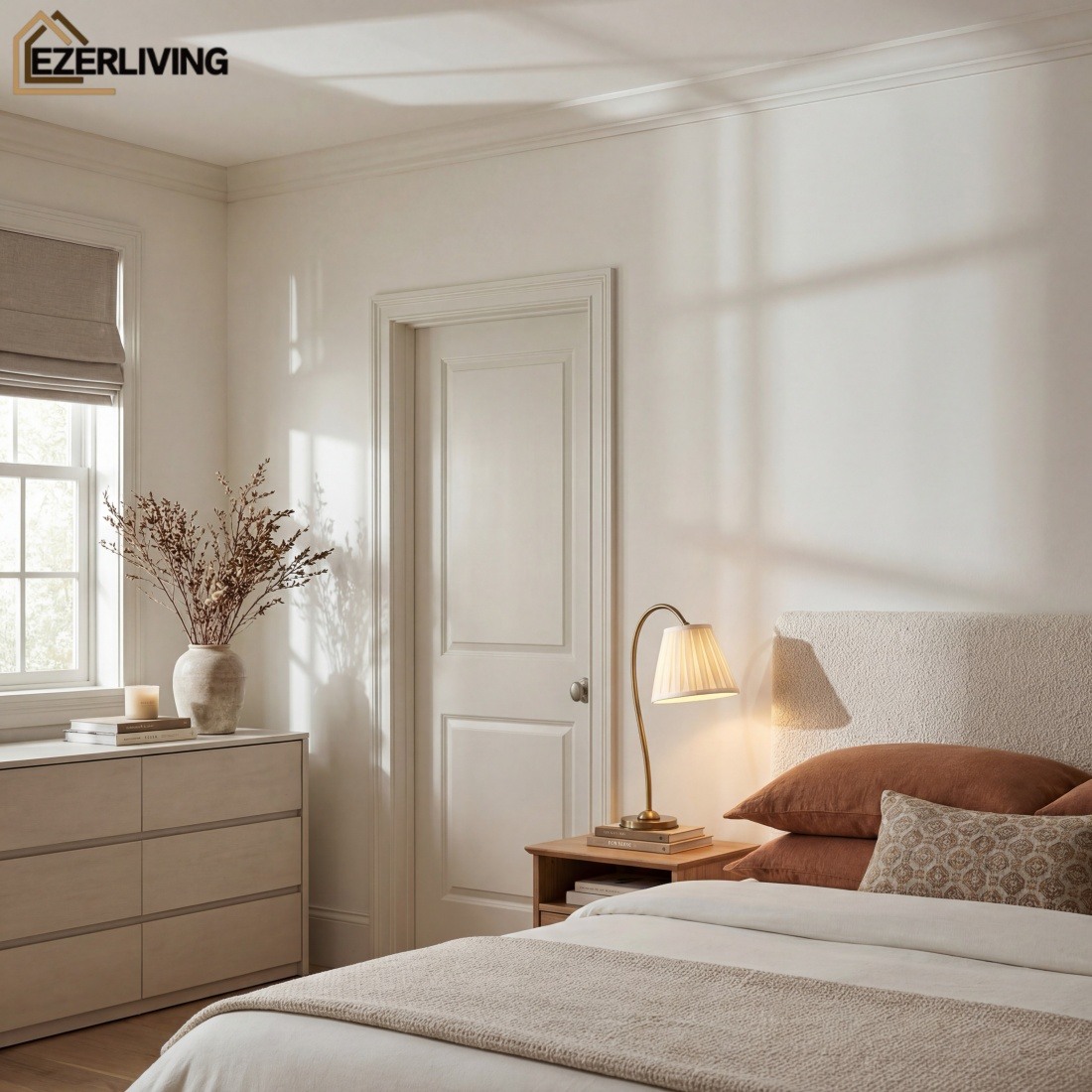
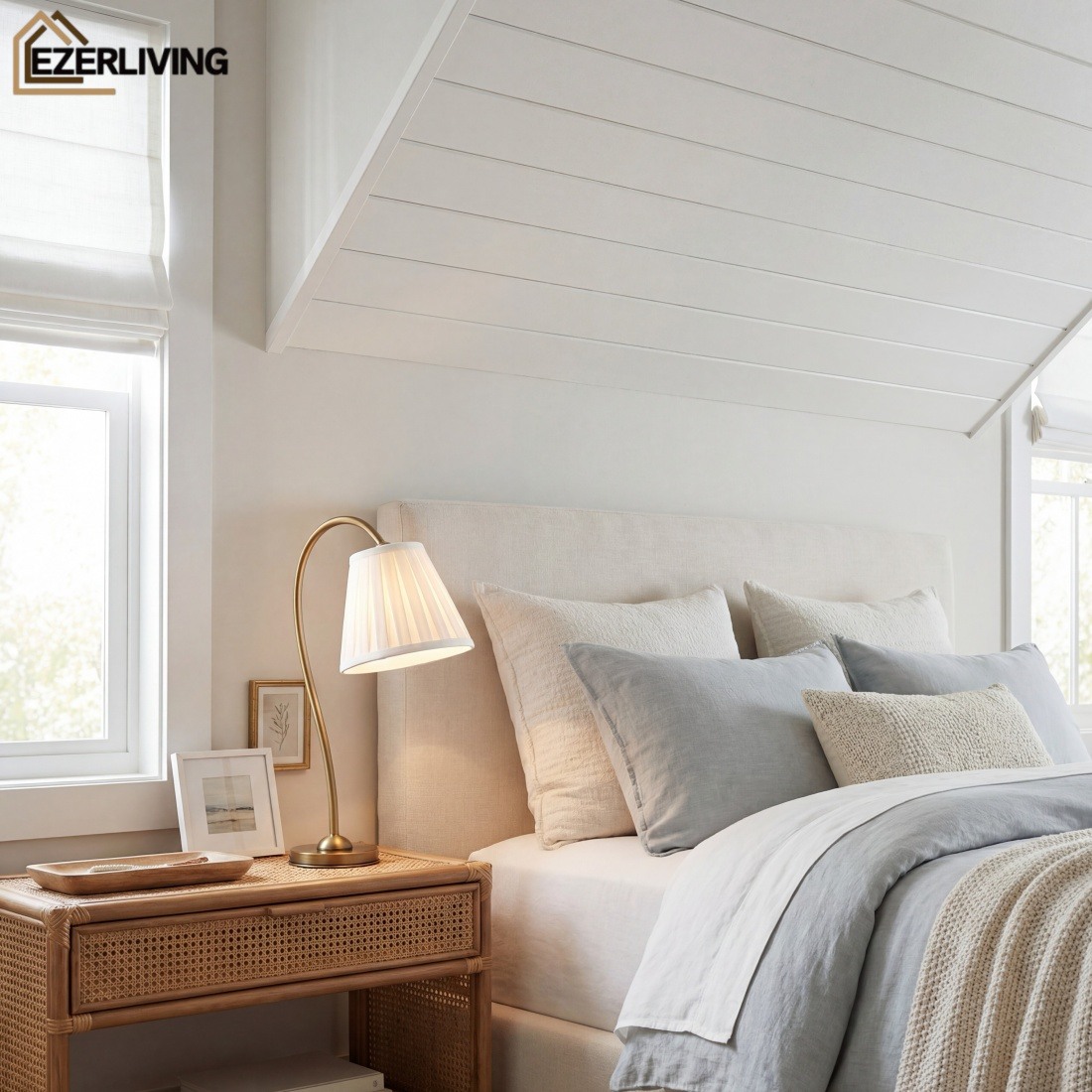
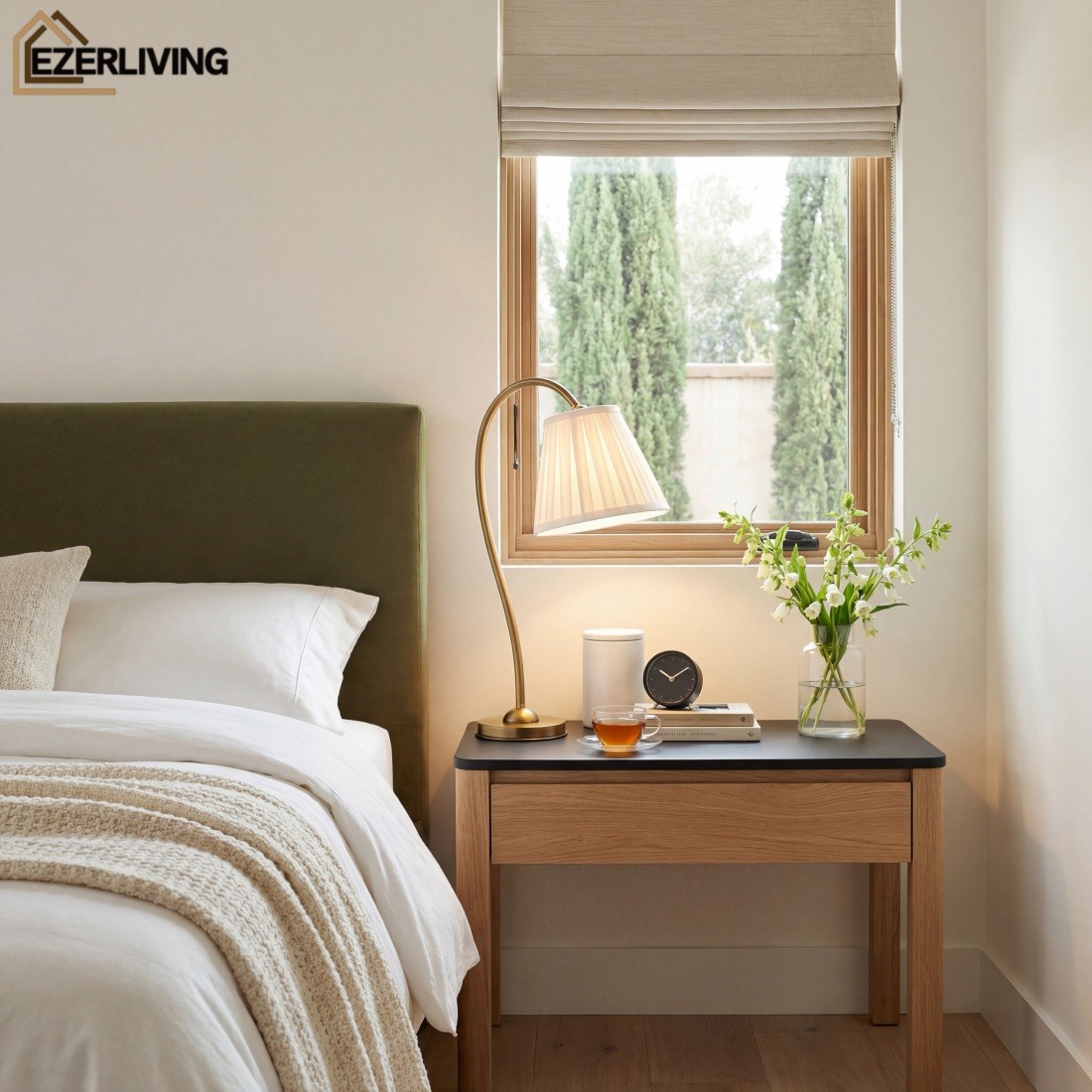
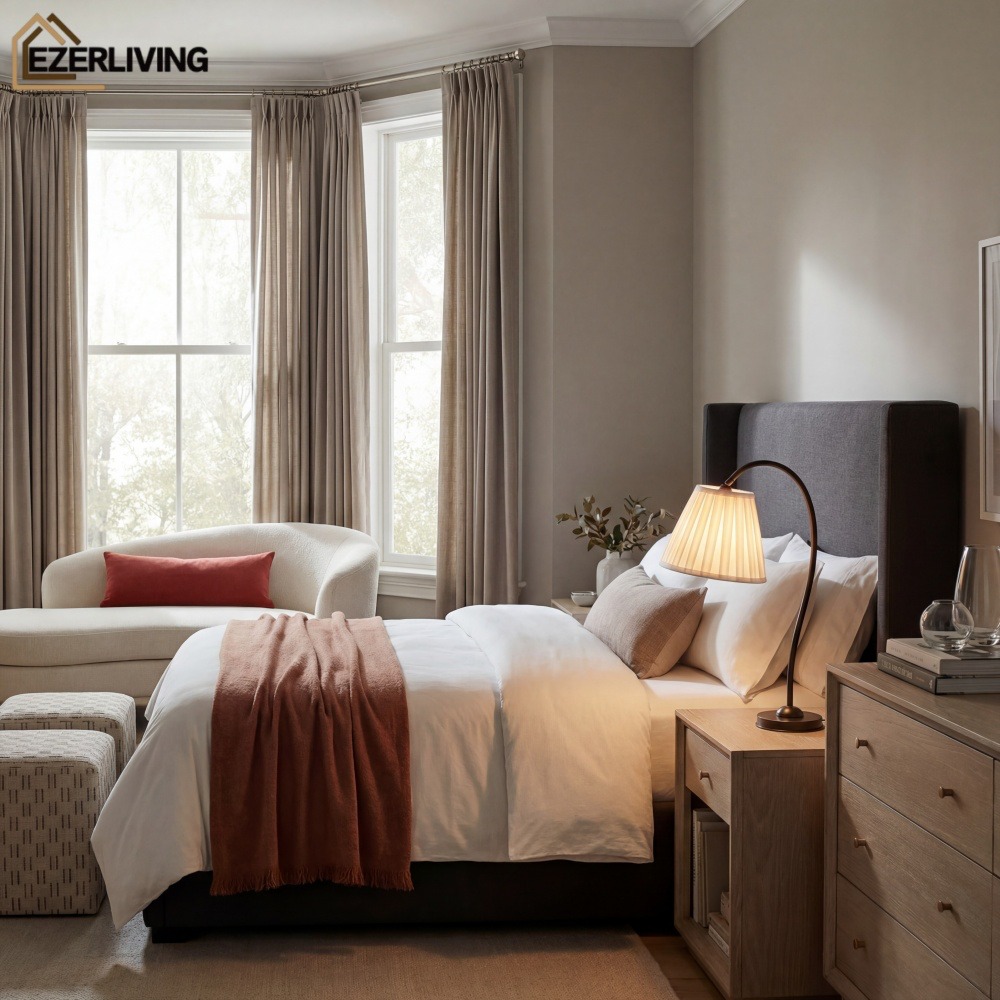
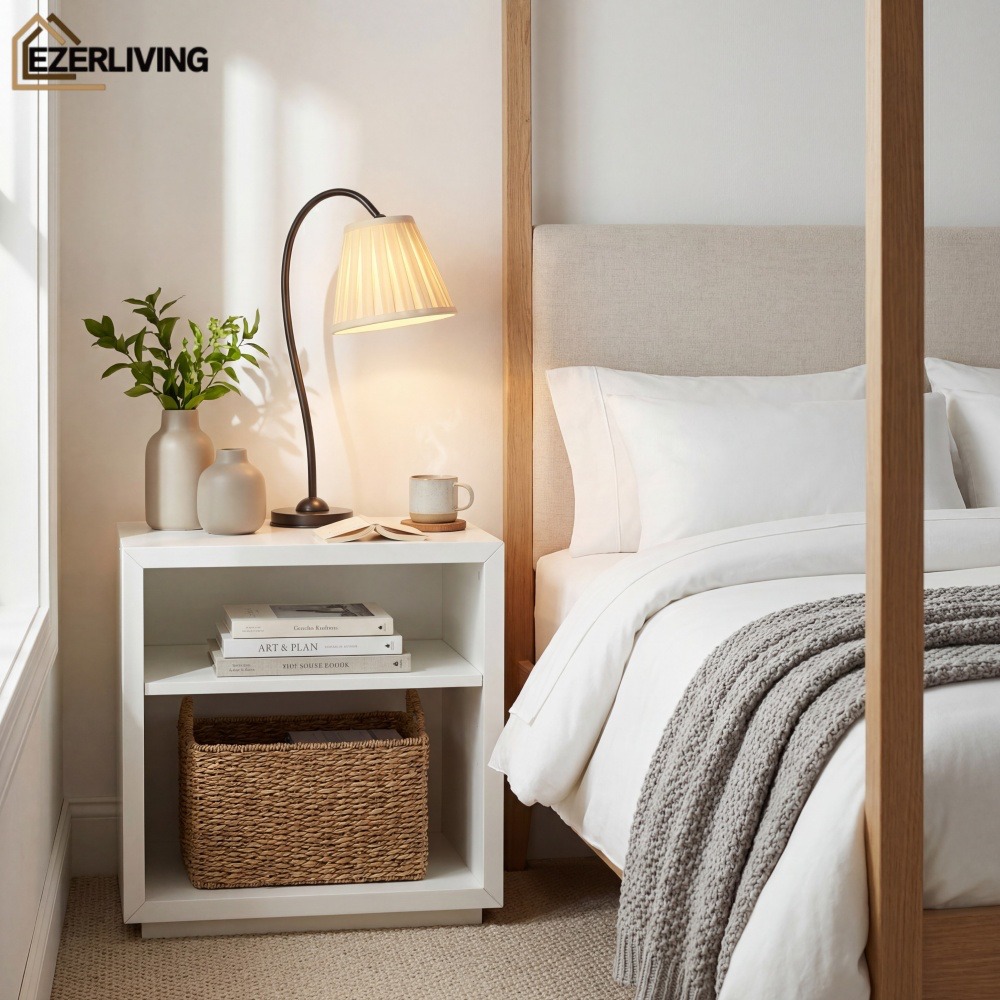
A bedside lamp does not get the whole tabletop. Glasses, a phone, a book and water all compete for the front edge. Put the lamp toward the back, keep controls reachable and ensure the base sits fully on a firm surface. A narrow depth can help, but wall clearance and shade width still matter.
Light should reach the page without turning the pillow into a spotlight. If two sleepers keep different hours, separate low sources usually feel kinder than a bright central ceiling light.
For a softer bedside arrangement, The Lamp-and-Skirted-Table Pairing Is Back. Why Does It Feel Fresh Again? looks at how a pleated lamp and fabric-covered table can share the same small footprint without feeling fussy.
04The dining sideboard: give dinner an afterglow
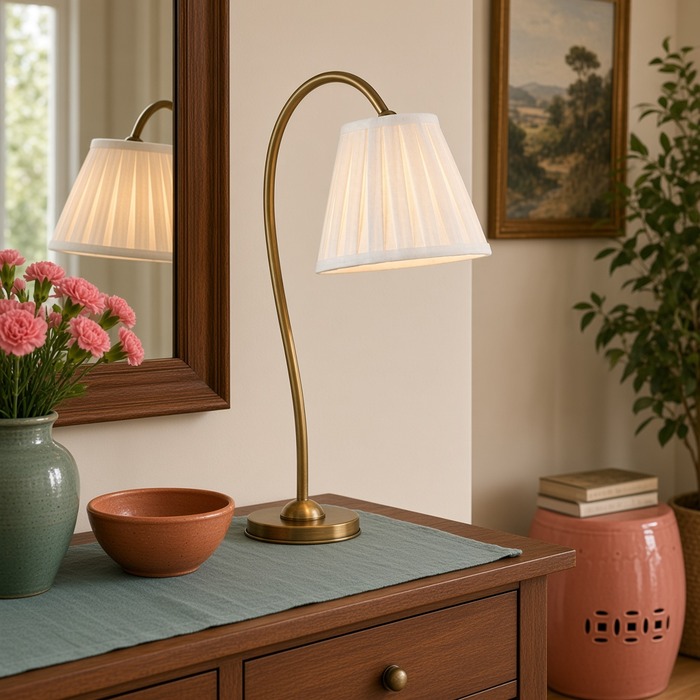
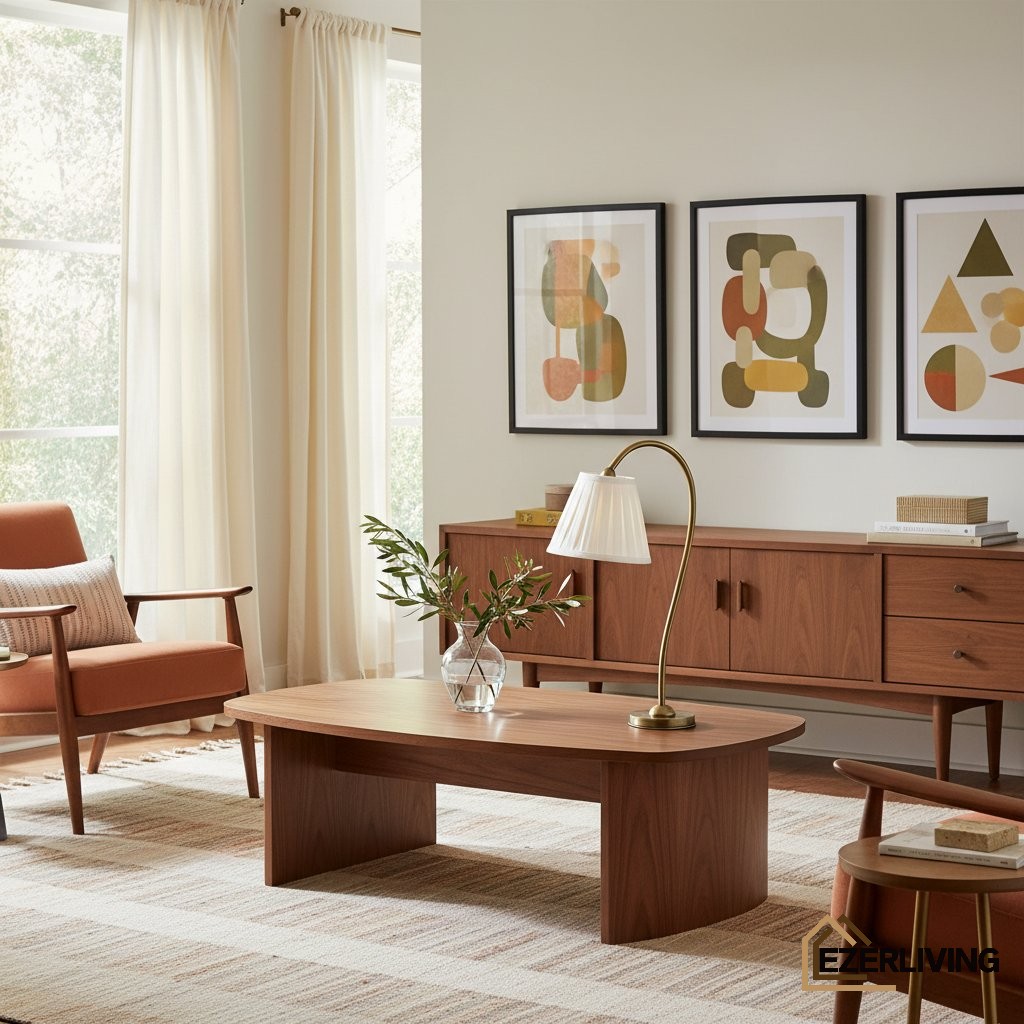
Once plates are cleared, a sideboard lamp keeps the room hospitable. Offset it from a mirror so the reflected bulb does not create a second glare point. Pair it with one low object and one taller piece; a regiment of matching accessories makes the surface feel staged rather than settled.
| Location | What the lamp does | Check before placing |
|---|---|---|
| Entry | Welcomes and helps with small tasks | Door swing and passing clearance |
| Sofa side | Supports reading and conversation | Seated glare and table stability |
| Bedside | Creates personal evening light | Reach, usable surface and shade clearance |
| Sideboard | Adds depth after dining | Mirror reflections and visual balance |
05The kitchen counter: illuminate the pause, not the chopping
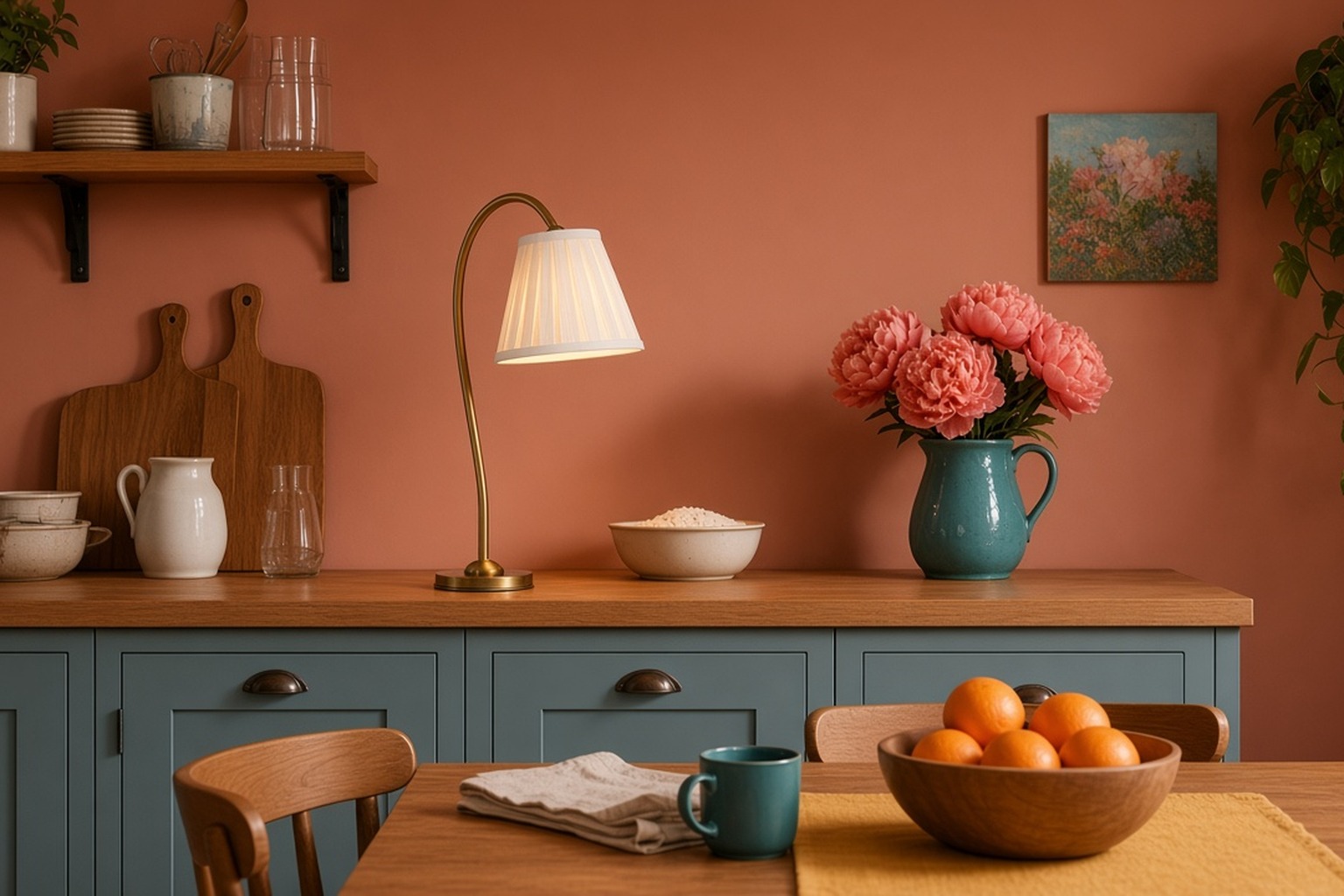
A counter lamp is best for the quiet end of the kitchen: beside a coffee setup, near a bowl of fruit or at the edge of an open-plan room. It is not a substitute for proper task lighting where knives, heat and water are involved. Keep fabric shades well away from sinks, steam, splashes and cooking zones.
The Luvora product page lists a white pleated shade and iron body; that soft-hard contrast suits a dry counter corner where the lamp is decorative rather than task-critical.
06The home office after hours: change the room’s job
A small lamp on a credenza or filing cabinet can tell the nervous system that work is over. It leaves enough light to retrieve a document without preserving the full daytime office atmosphere. Aim the pool of light toward art or a textured wall, not a glossy monitor.
07The coffee table: only when the plan allows it
A coffee-table lamp can be unexpectedly elegant in a large, low seating group. It also introduces a cable and a tall object into an active zone. Use it only on a broad, stable table with a route for the cord and enough space that guests do not have to negotiate around the shade.
Readers building a book-lined room can continue with Bookshelf Wealth Is More Than Full Shelves: Lighting Is What Makes the Look Work, where a carefully placed glow gives books and collected objects more depth.
One lamp, then another: how to build the layer
Switch off the overhead light and stand at the room entrance. Notice the darkest useful zone, then add one lamp there. Move to the main seat and check whether faces, books and routes are comfortable. A second source should solve a different problem, not merely duplicate the first.
- Keep every base fully supported on a stable surface.
- Check glare from seated and standing positions.
- Route cords away from feet, drawers and doors.
- Keep fabric shades clear of heat, water and loose textiles.
- Use ceiling light when broad, even visibility is genuinely needed.
No-big-light rooms still need sensible brightness for cleaning, detailed tasks and safe movement. The idea works because it offers choice, not because it replaces every other source.
If the proportions suit your chosen surface, inspect the Luvora lamp’s dimensions, finishes and bulb requirements before ordering.
Small-Lamp Questions That Usually Arrive After Sunset
How many table lamps should a living room have?
Begin with one source near the main activity and assess the dark zones. Many rooms benefit from two or three low sources, but layout matters more than a fixed number.
Should all lamps use matching shades?
No. Repeating one element, such as warm metal or pleated fabric, is enough. Identical lamps can look formal; related but varied lamps often feel more collected.
Can a table lamp be the only light in a room?
It can support relaxed evenings, but broad tasks and safe cleaning may require stronger ambient or task lighting.
Where should a lamp never go?
Avoid unstable edges, wet or hot zones, cramped shelves, blocked routes and any position where the cord becomes a trip hazard.