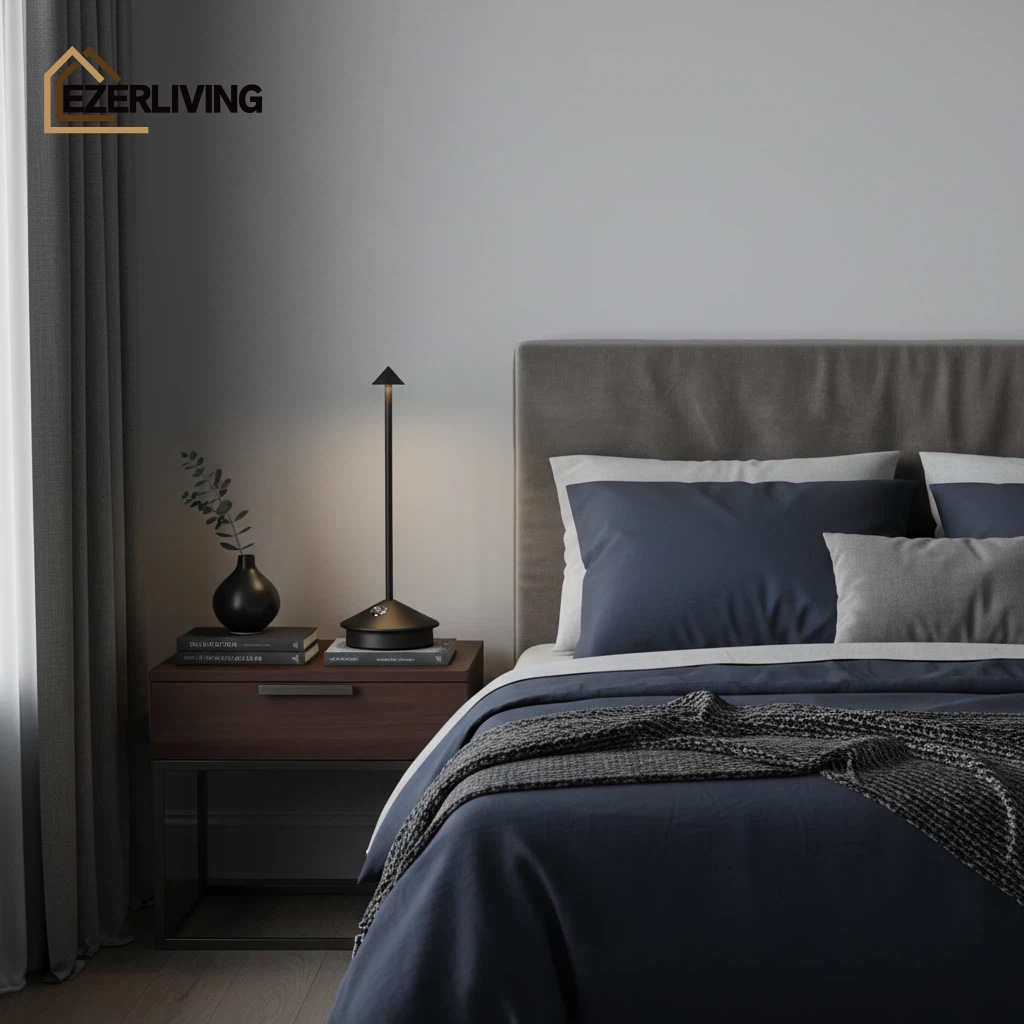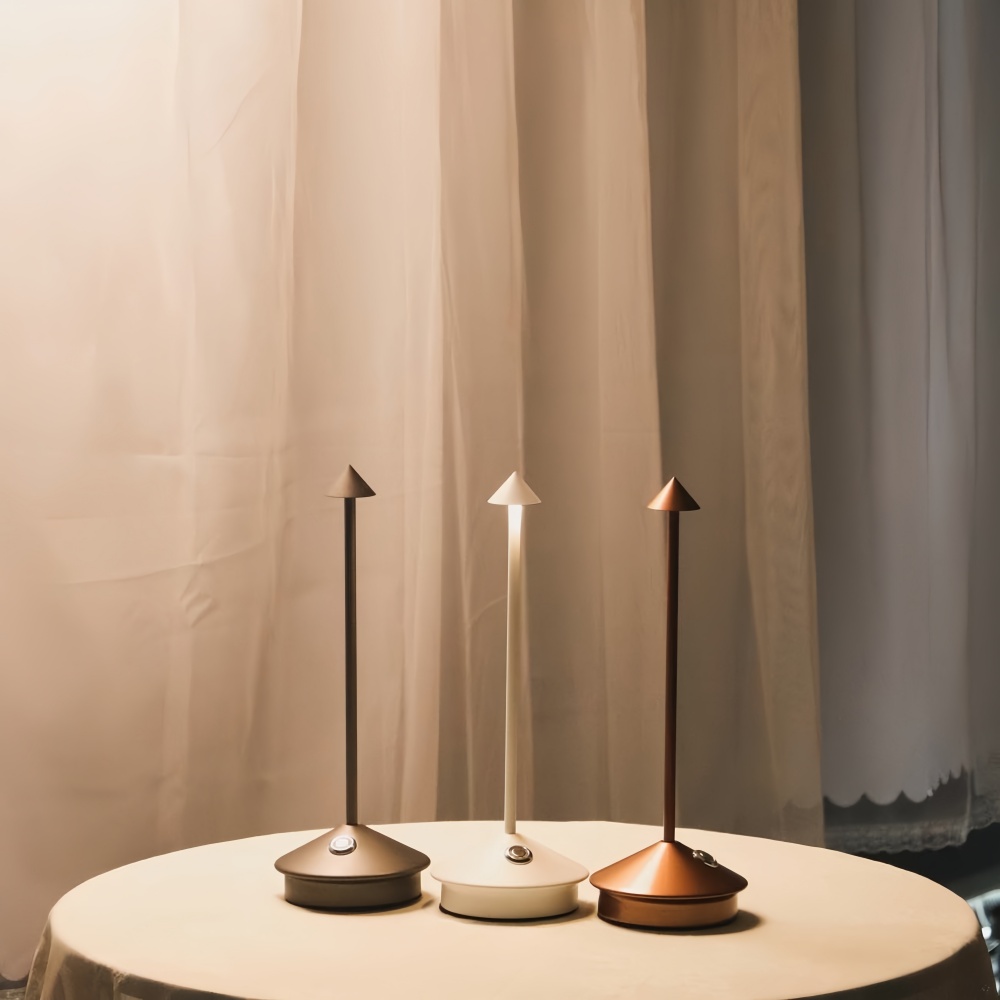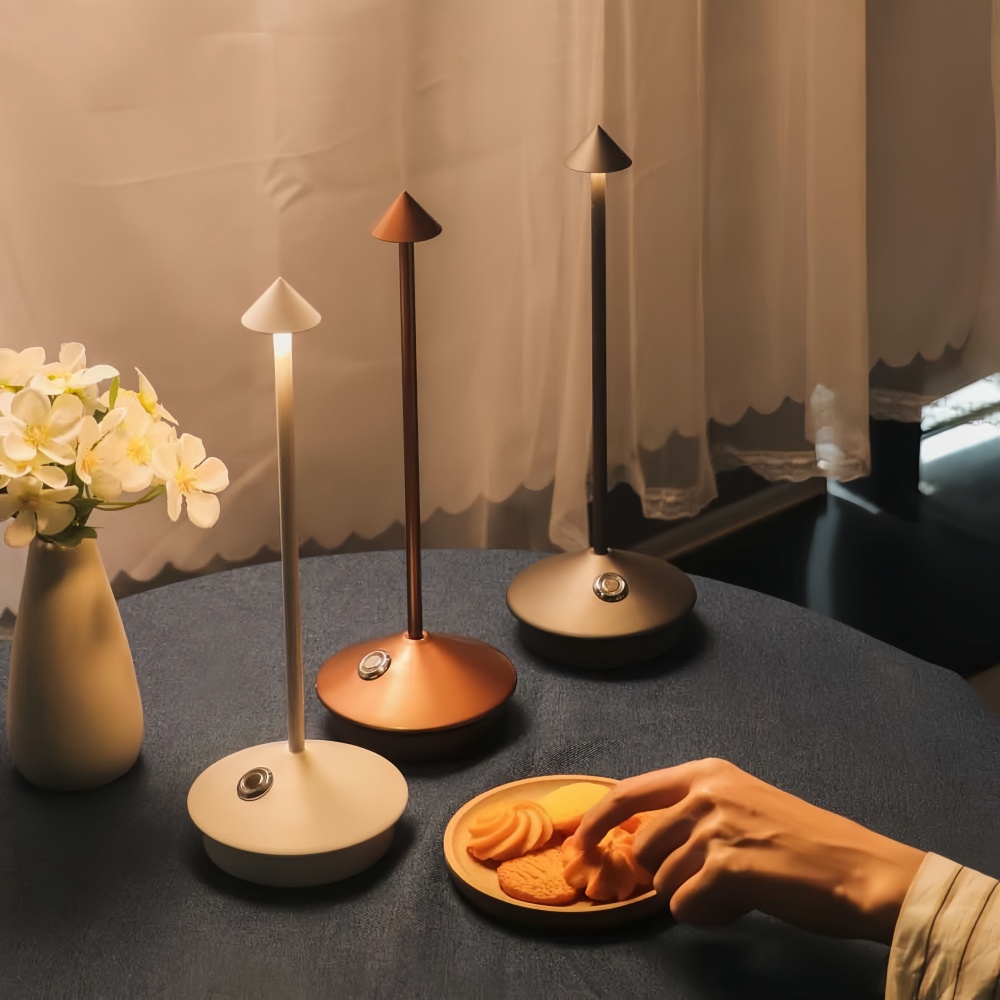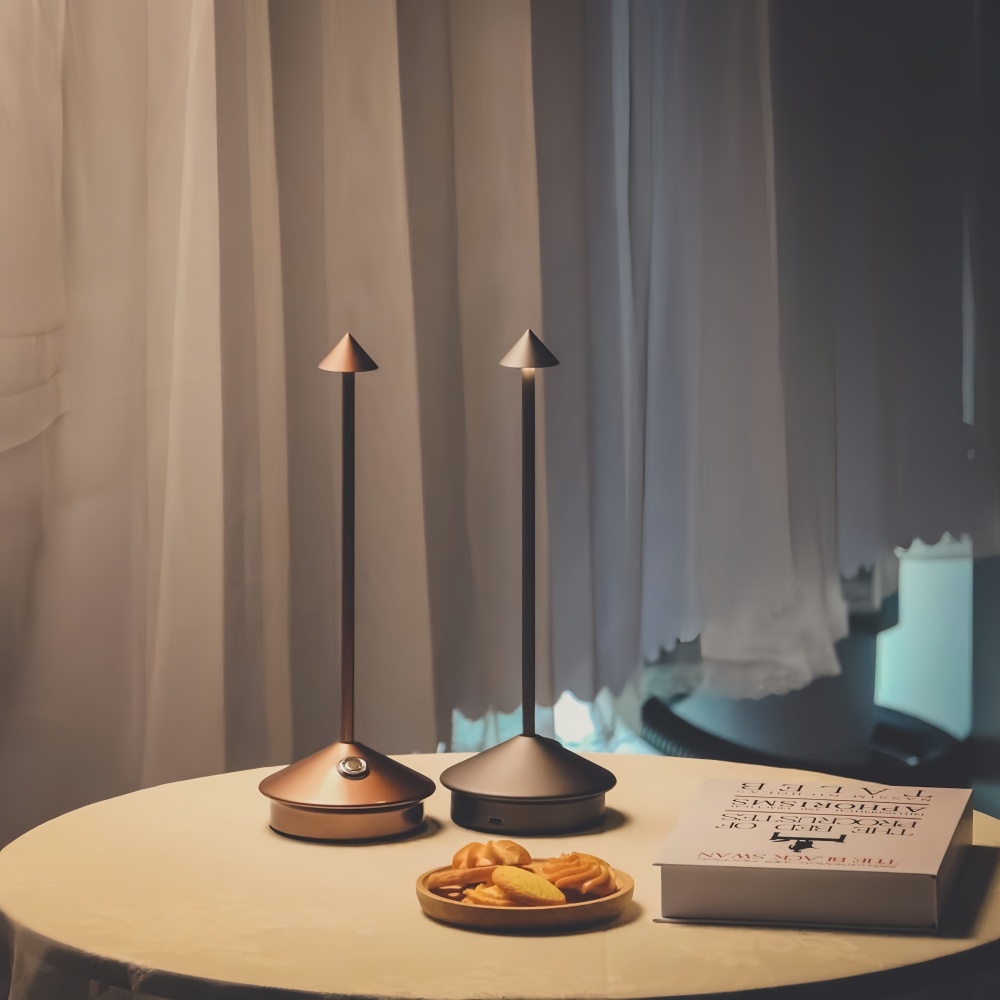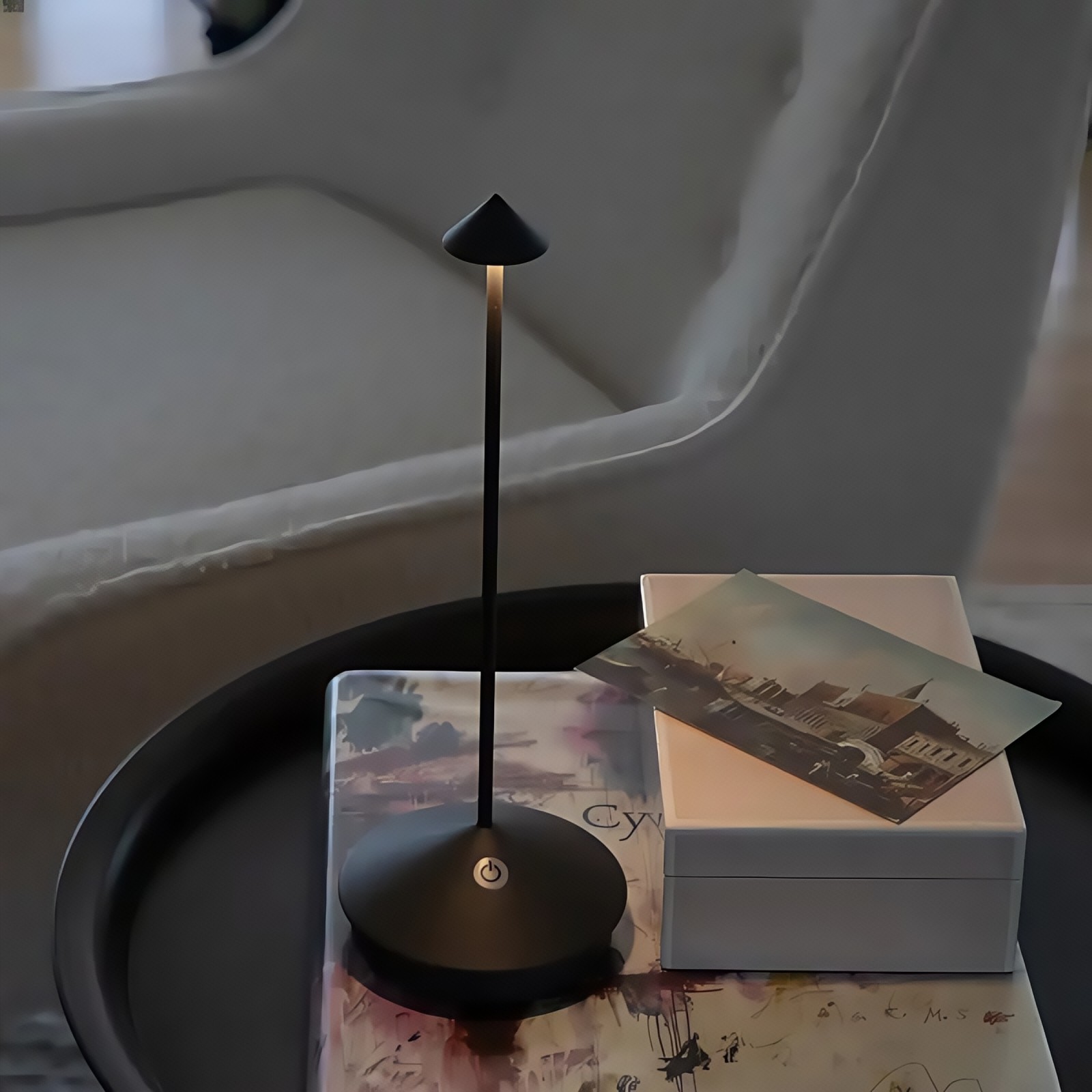
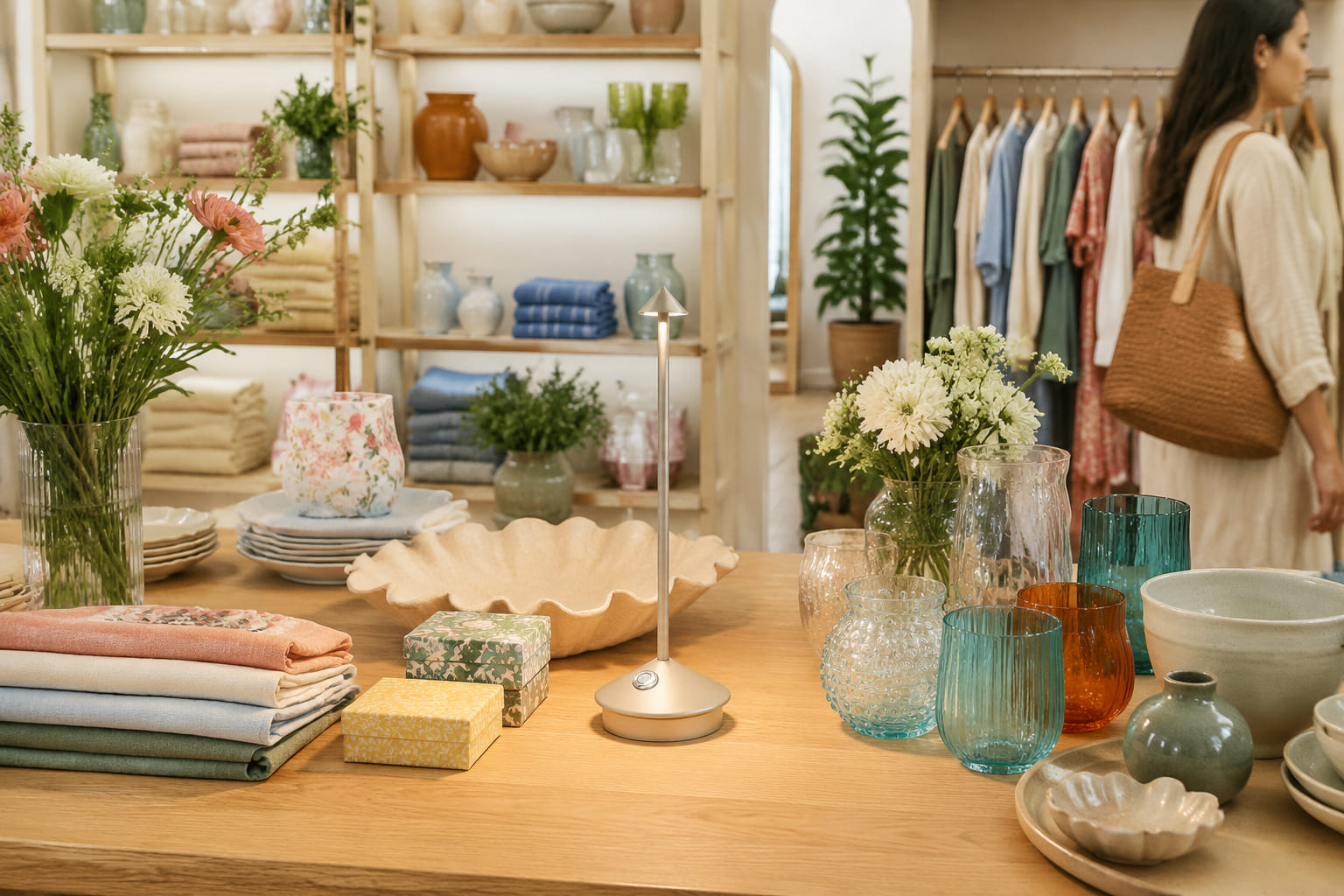
Valorizzate la merce: utilizzate lampade senza fili per impreziosire le vetrine dei negozi.
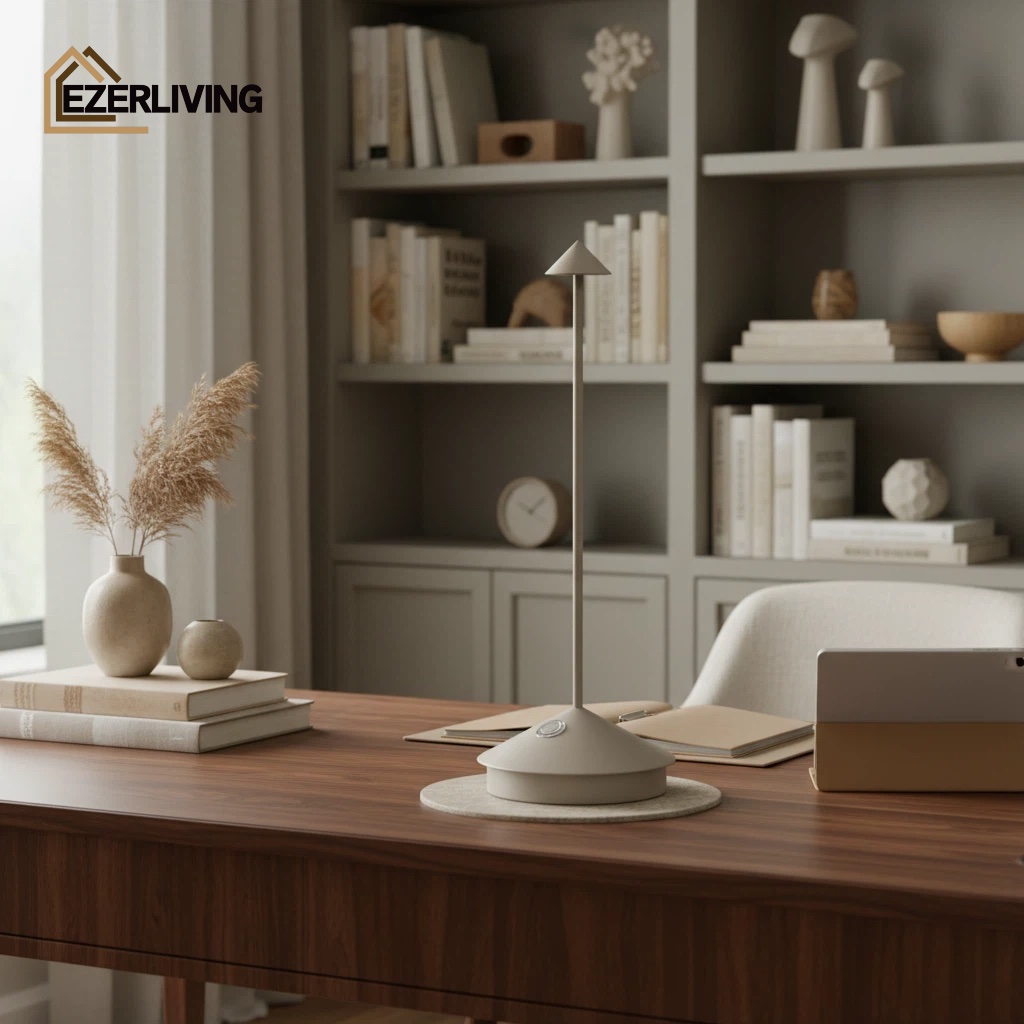
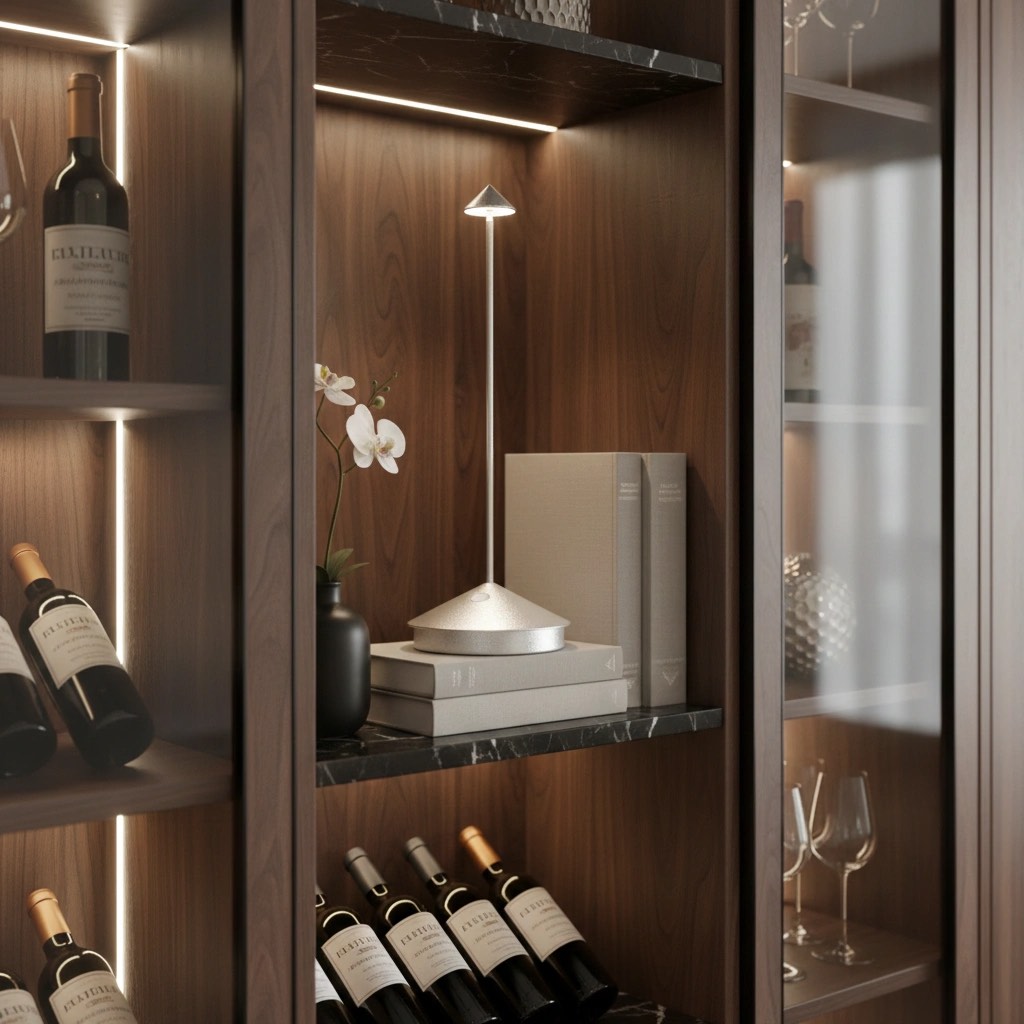
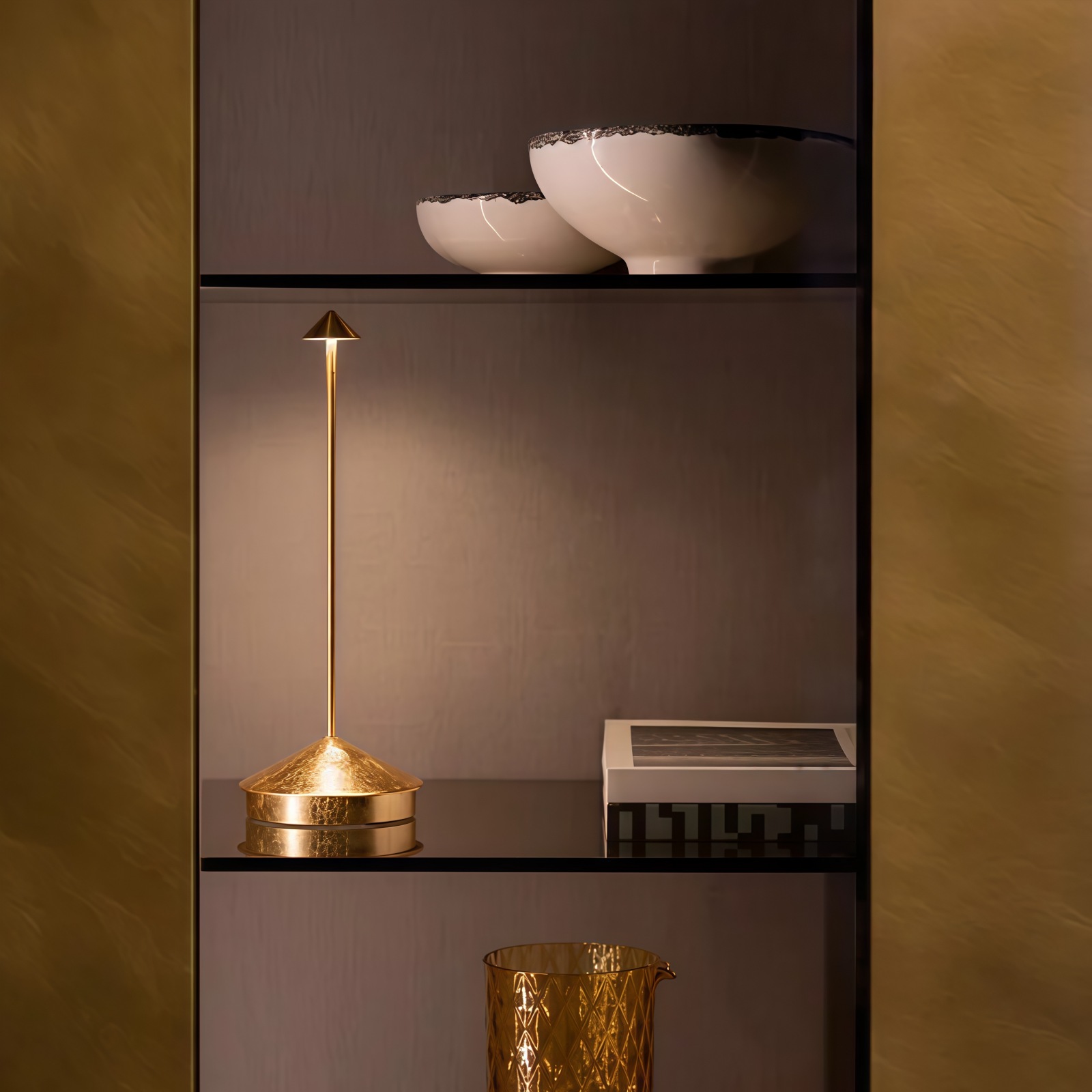
Un design espositivo di qualità non si limita a riempire uno scaffale, ma mira a catturare l'attenzione. Una piccola lampada senza fili può trasformare un gruppo di prodotti in una vera e propria scena, dare a una collezione un punto di riferimento visivo ben definito e aggiungere un tocco di calore senza richiedere una presa di corrente o un impianto elettrico permanente. La lampada non deve sovrastare la merce; il suo compito è quello di conferire all'esposizione un aspetto curato e raffinato.
La luce crea un motivo per fermarsi
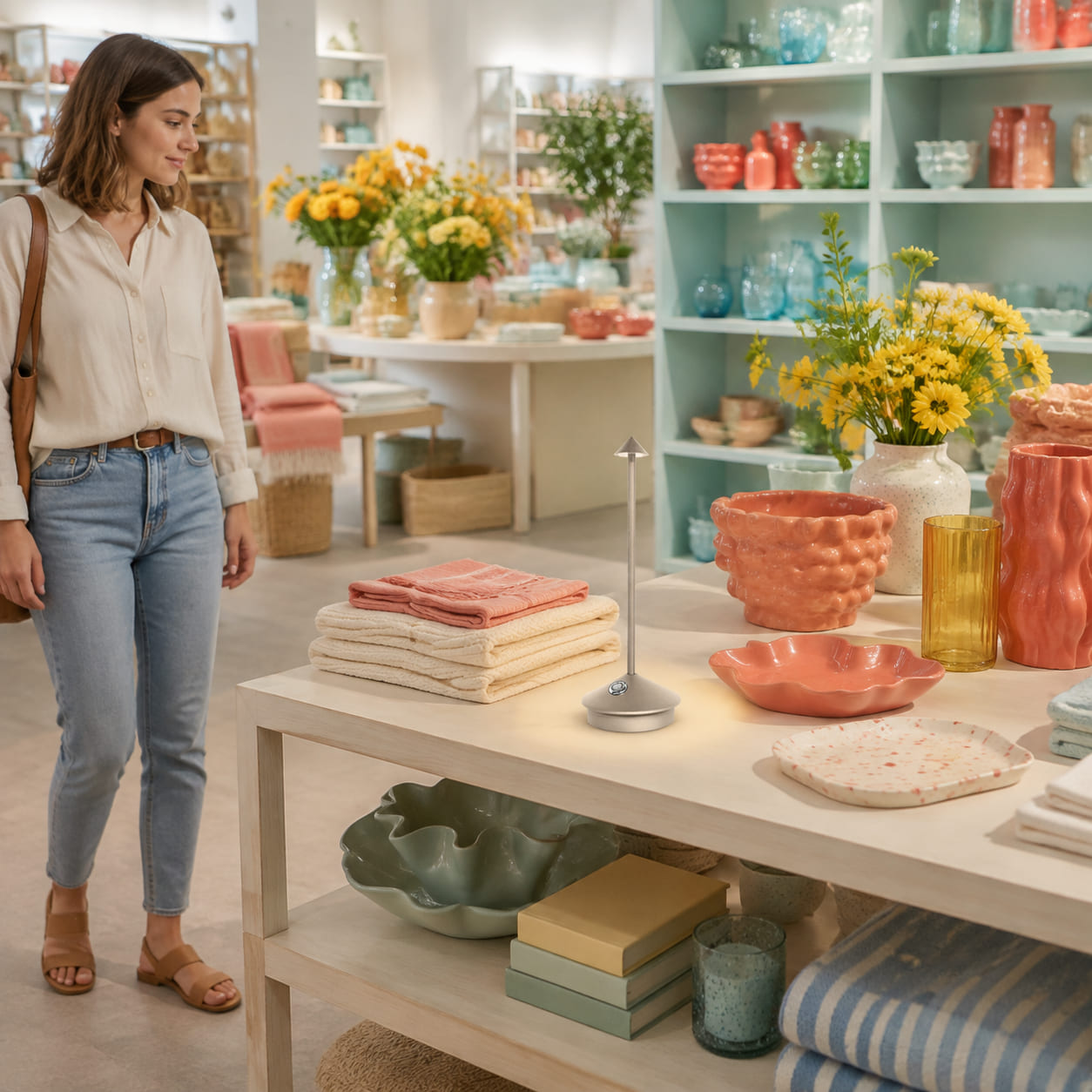
I clienti osservano rapidamente gli scaffali. Quando ogni ripiano ha la stessa luminosità, nulla indica dove concentrare lo sguardo per primo. Una zona di luce calda localizzata crea contrasto all'interno dell'illuminazione esistente del negozio. Questo contrasto può rallentare lo sguardo quel tanto che basta per permettere al cliente di notare la consistenza, il colore e la relazione tra i prodotti.
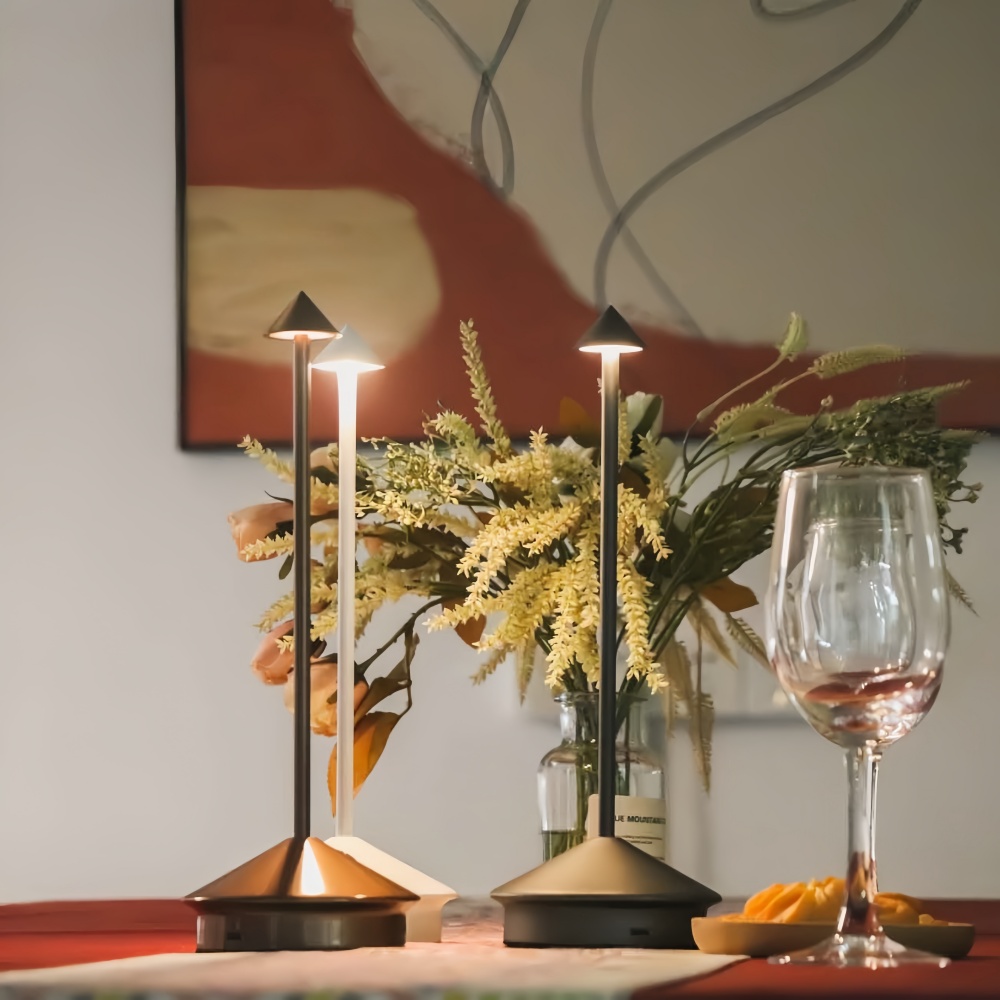
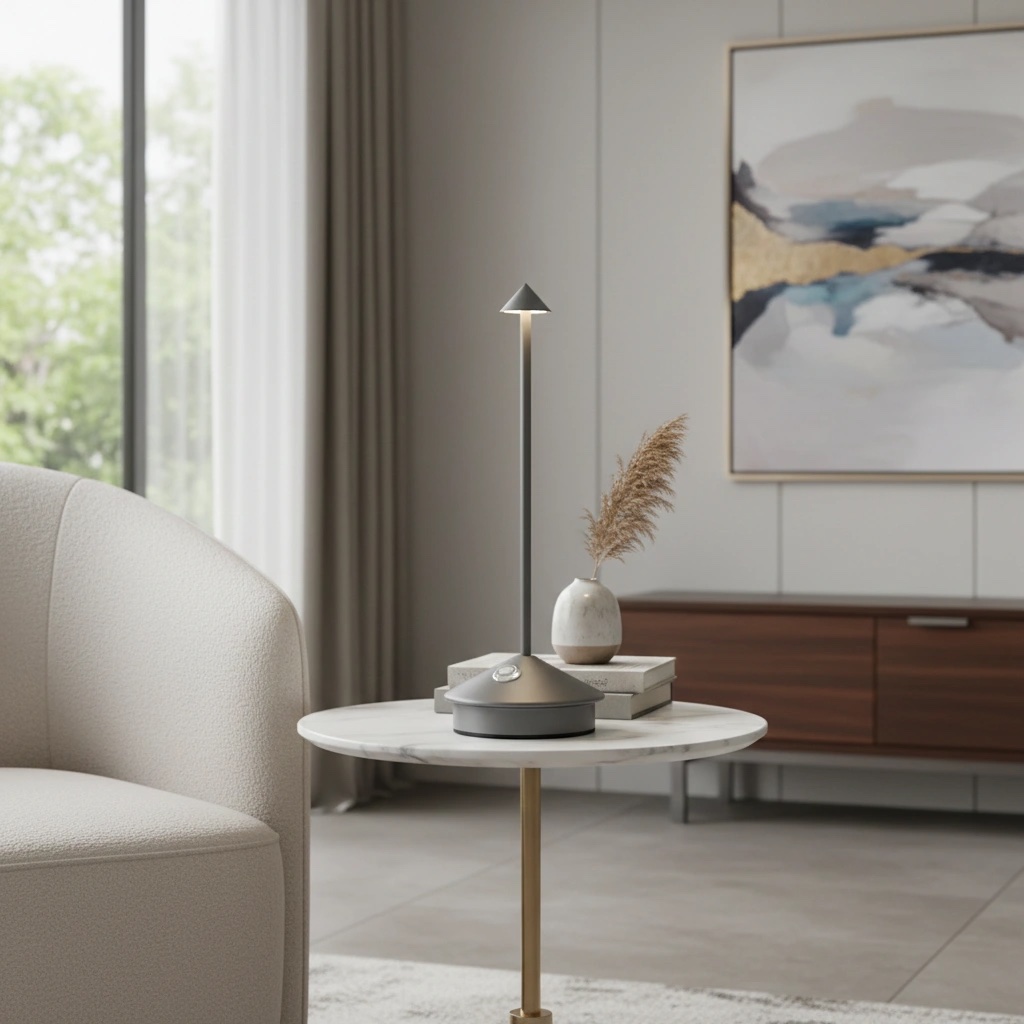
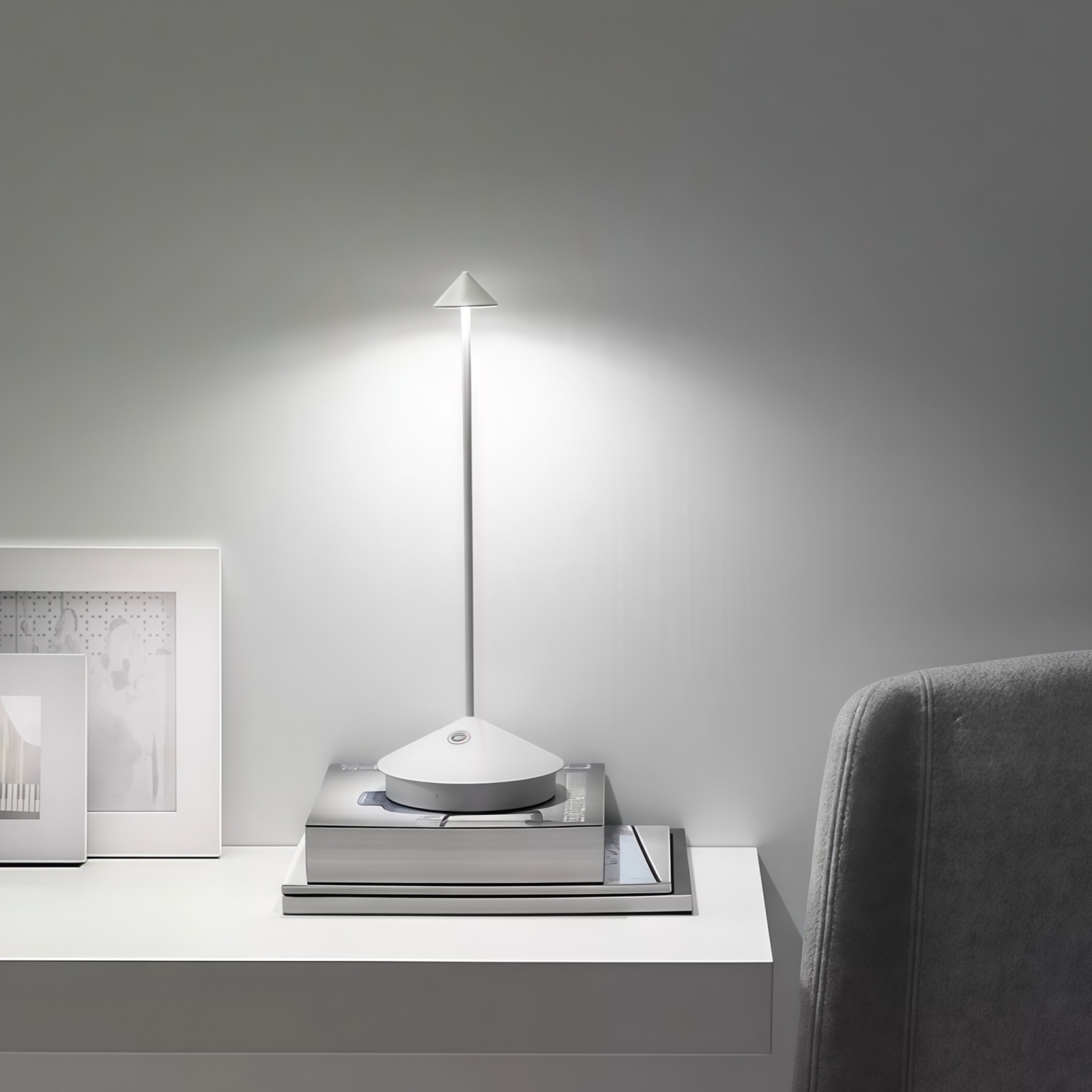
Pensate alla lampada come a un segno di punteggiatura. Una sola lampada può mettere un punto fermo al centro di una composizione da tavolo; due possono creare delle parentesi attorno a una collezione. Essendo portatile, la punteggiatura può essere spostata ogni volta che cambiano le scorte, la stagione o le campagne promozionali. Questo è particolarmente utile su tavolini impilabili, vetrine, davanzali e lampade a scomparsa, dove i cavi risulterebbero disordinati o costituirebbero un ostacolo pratico.
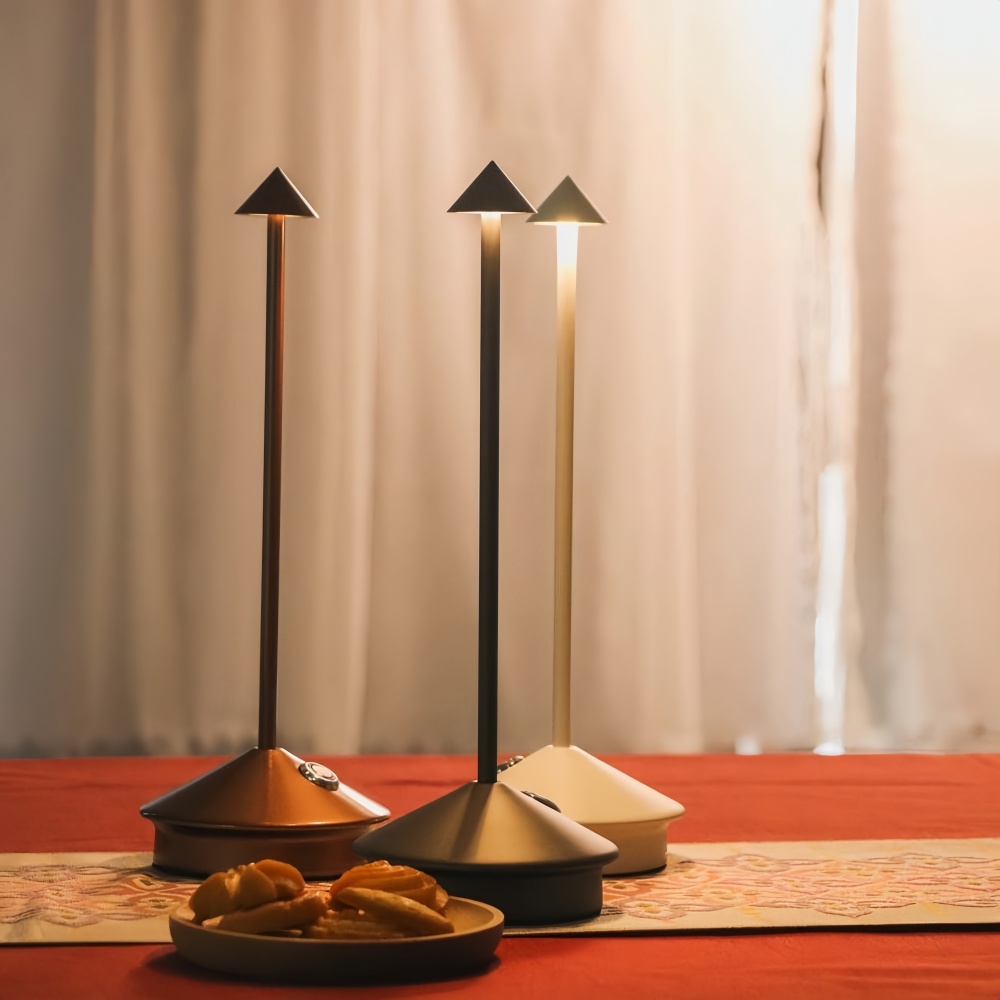
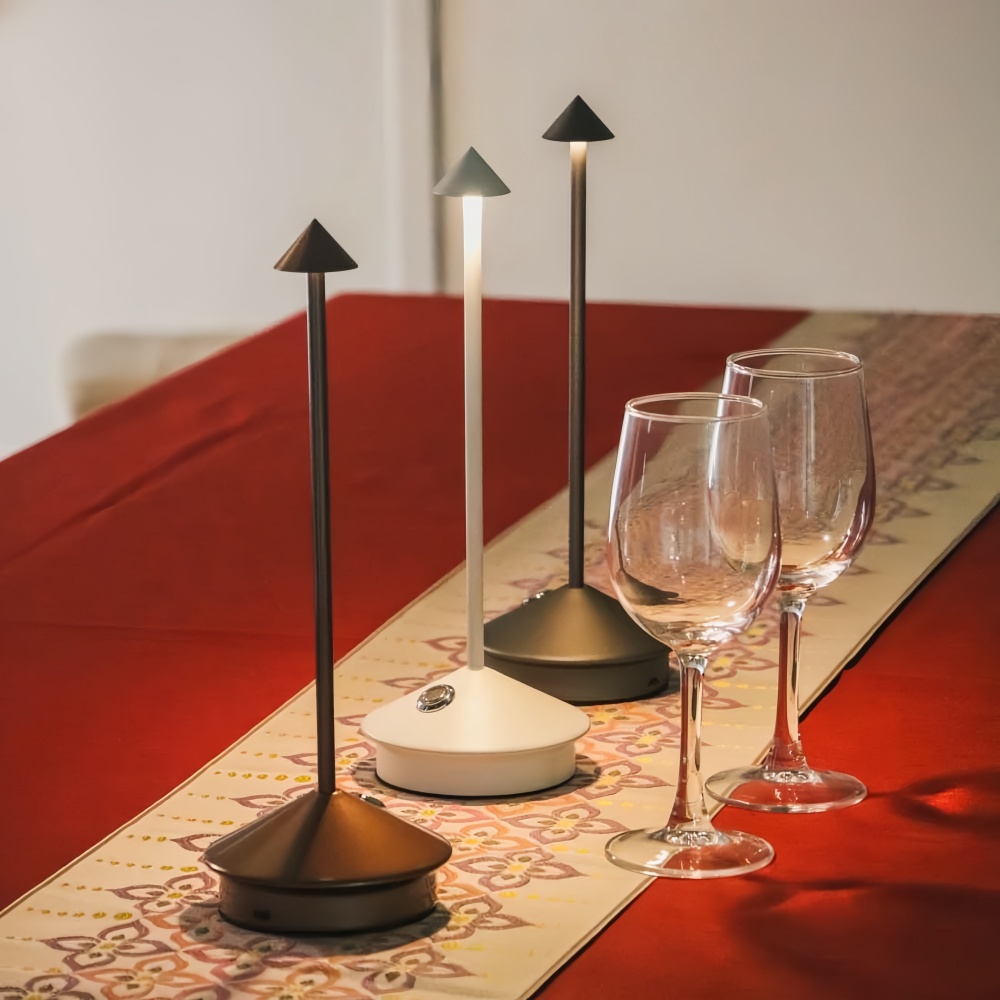
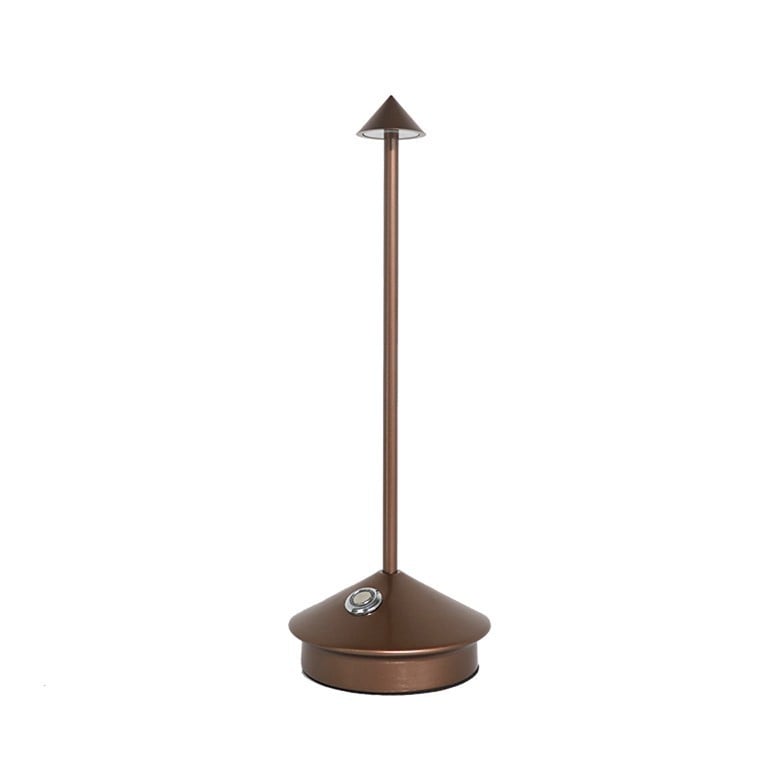
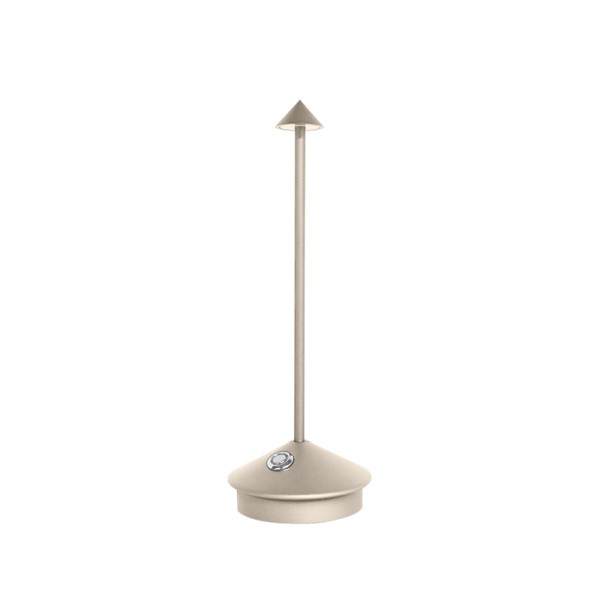
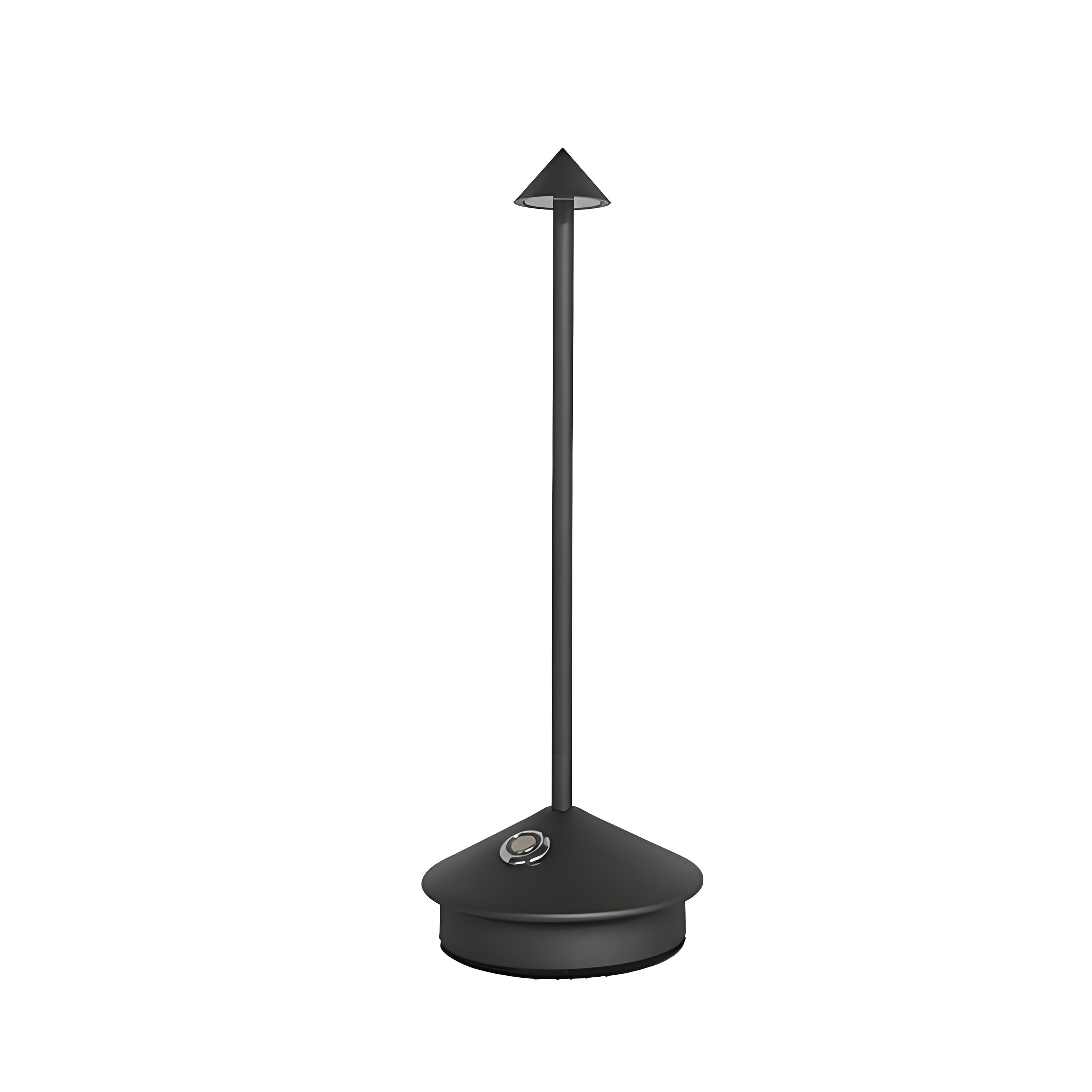
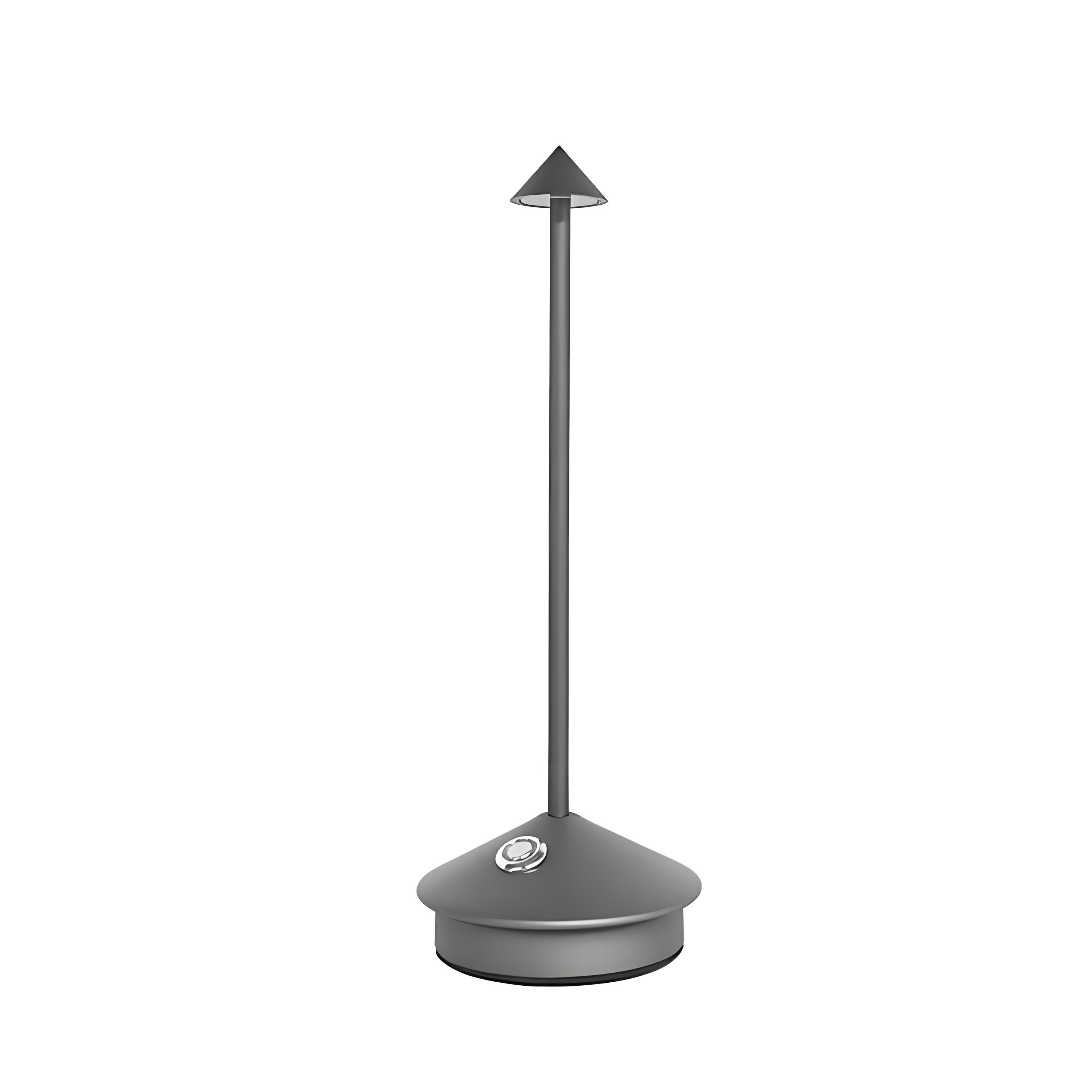
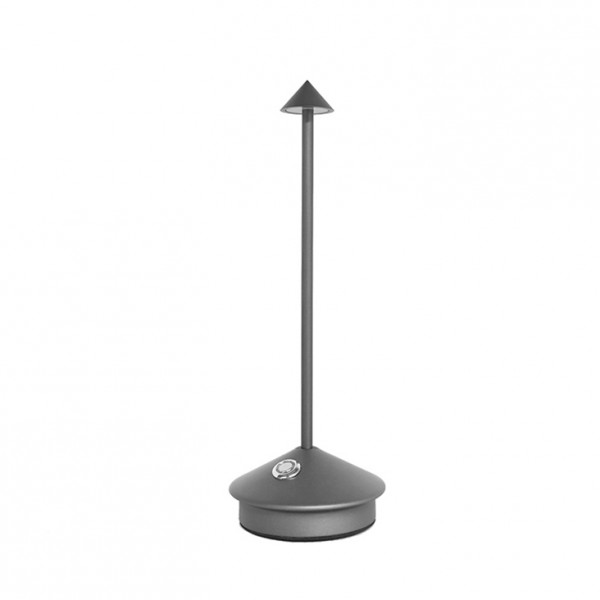
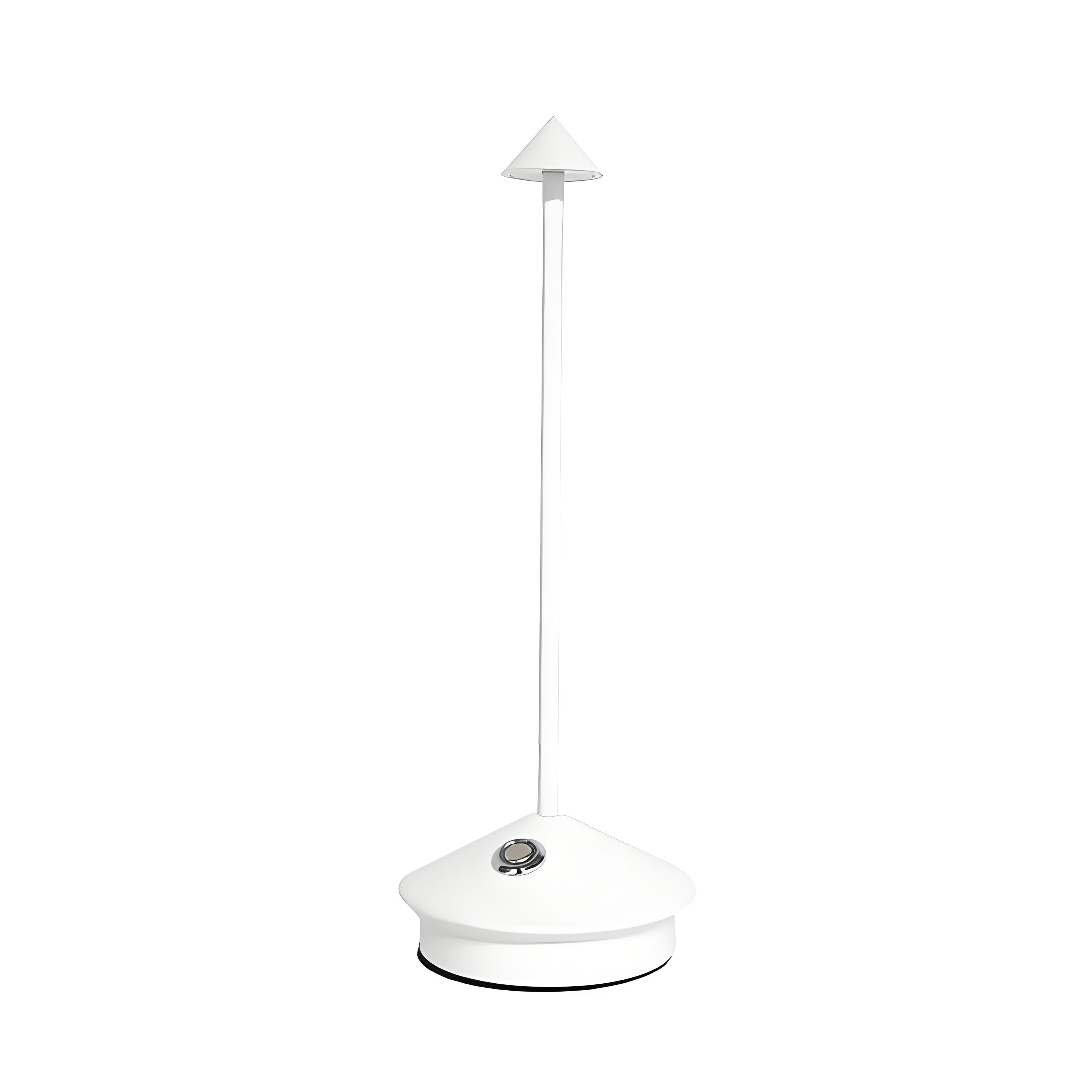
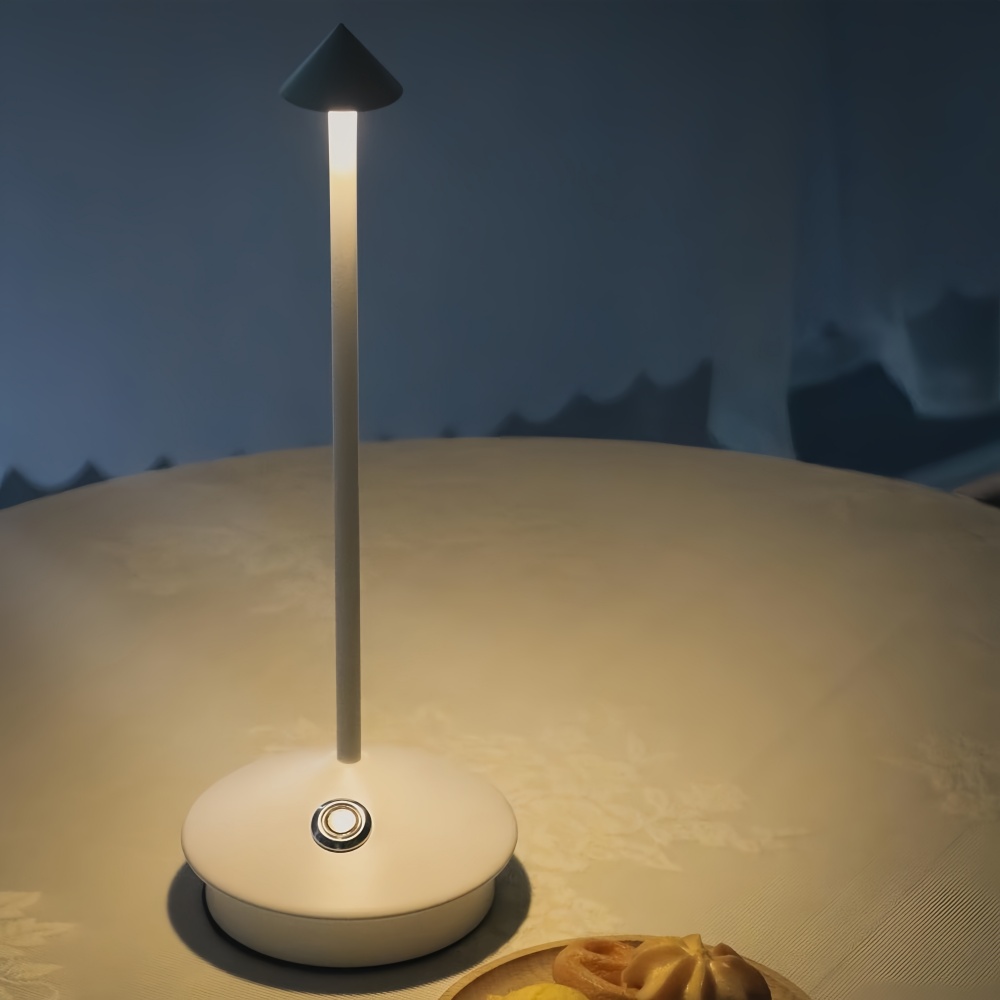
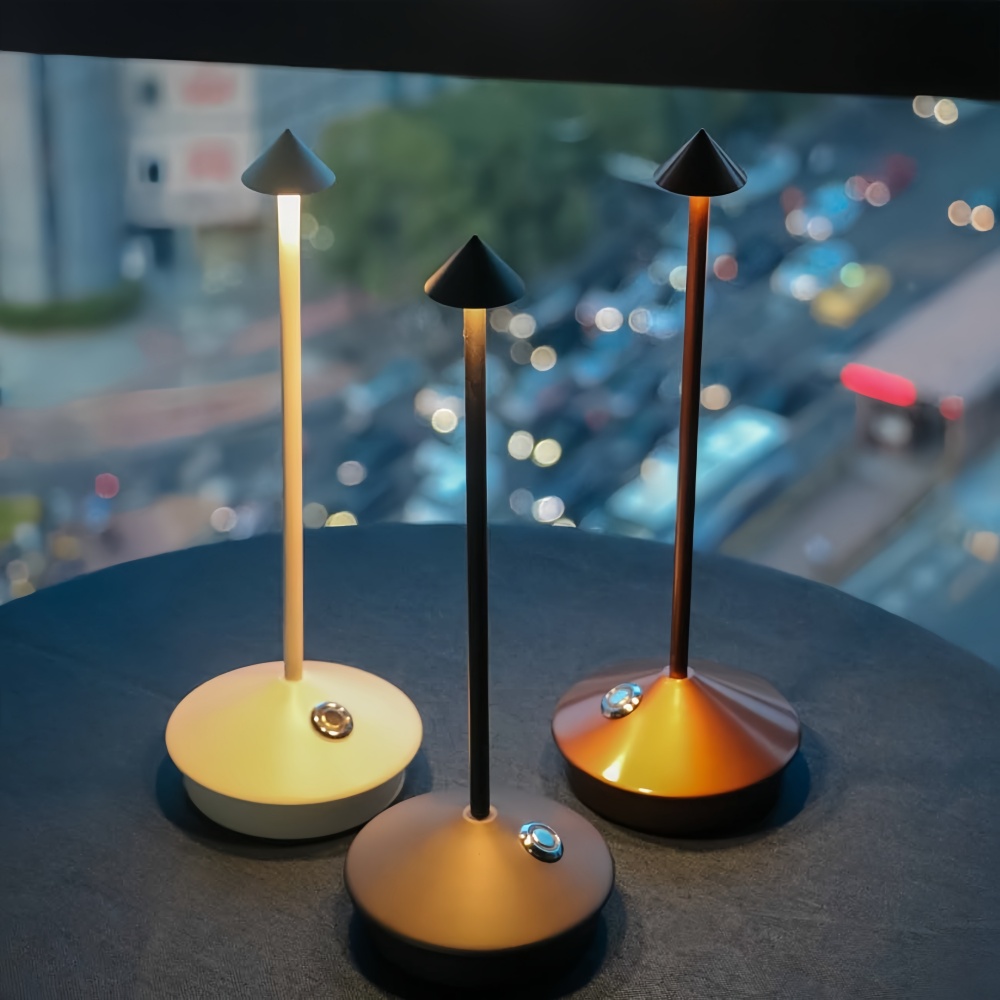
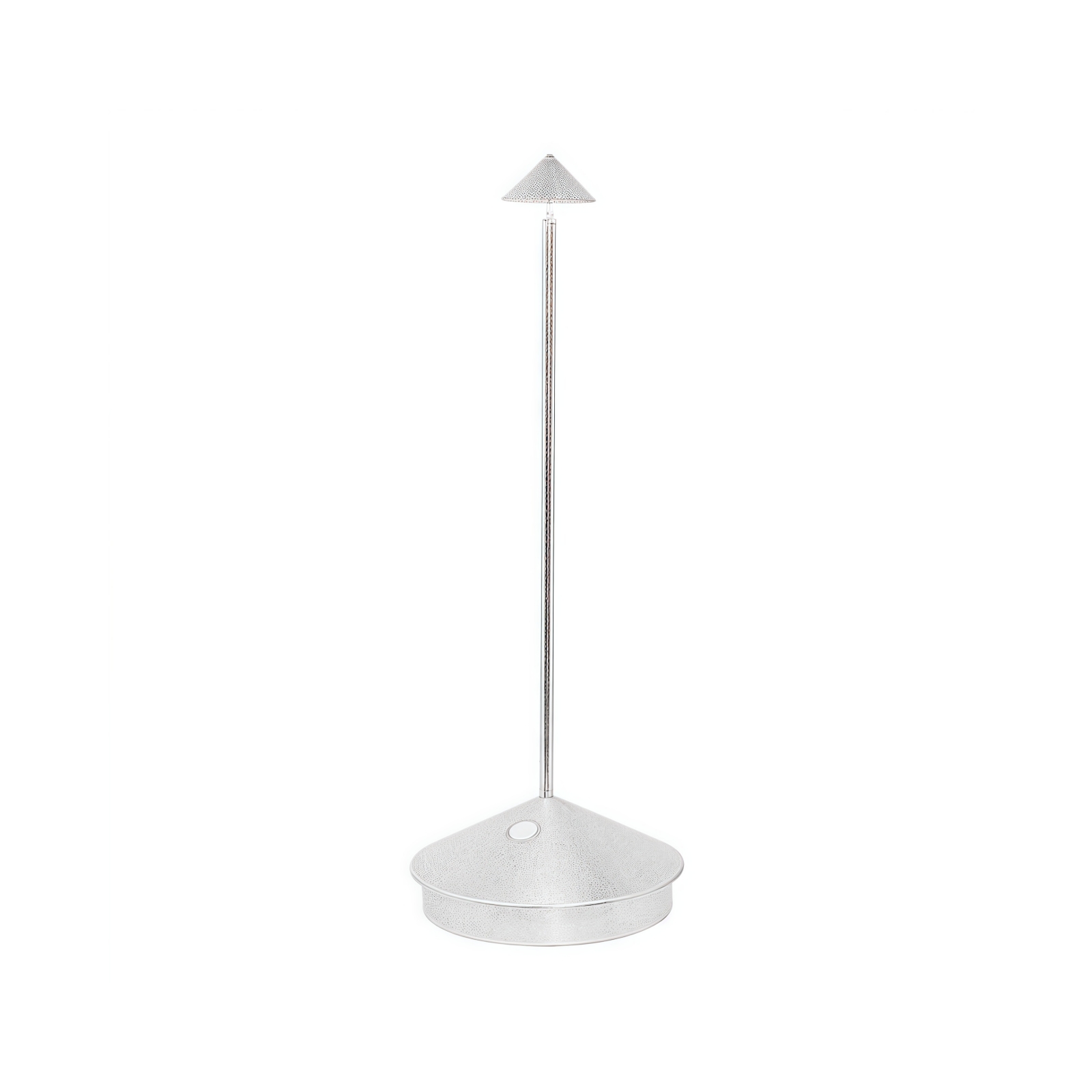
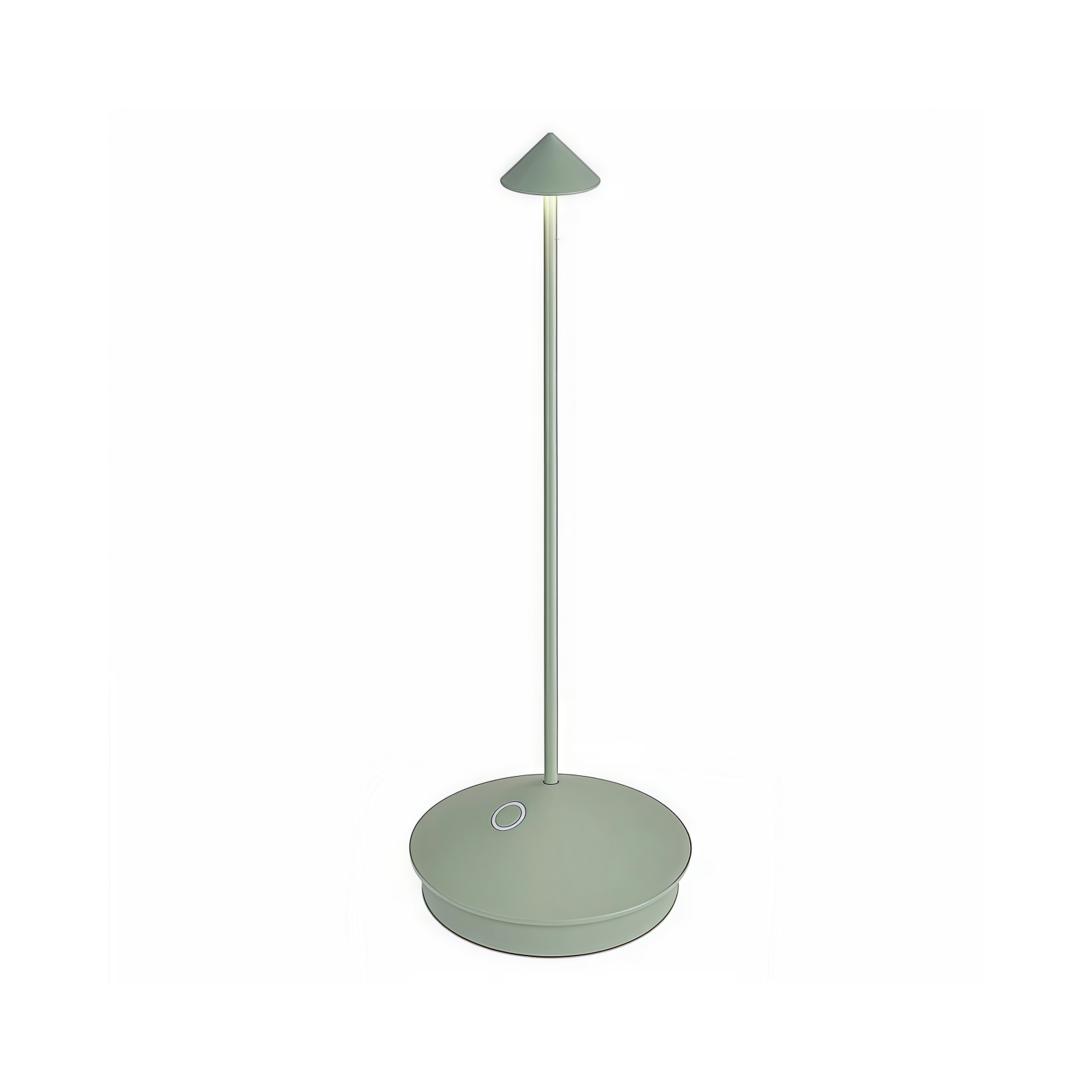
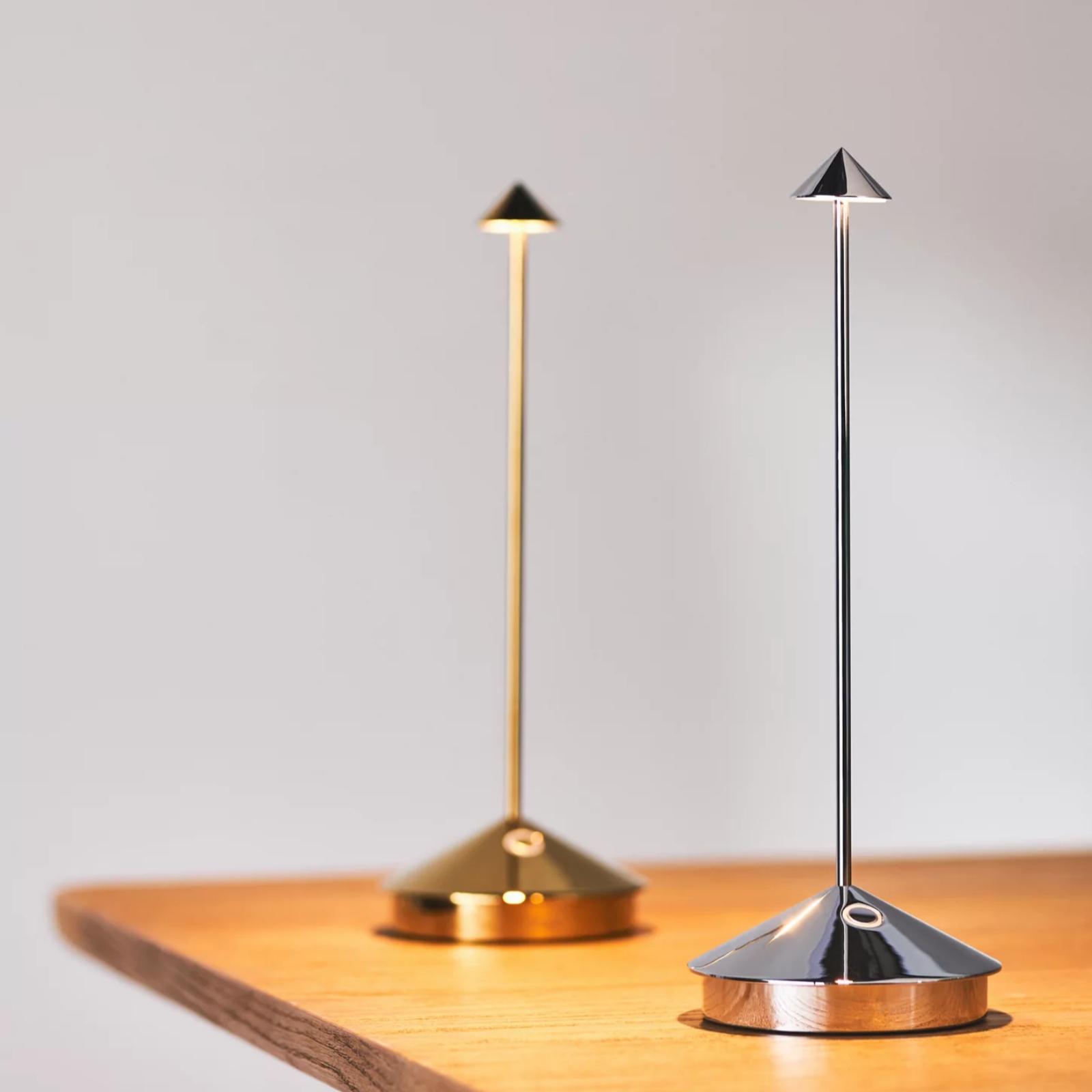
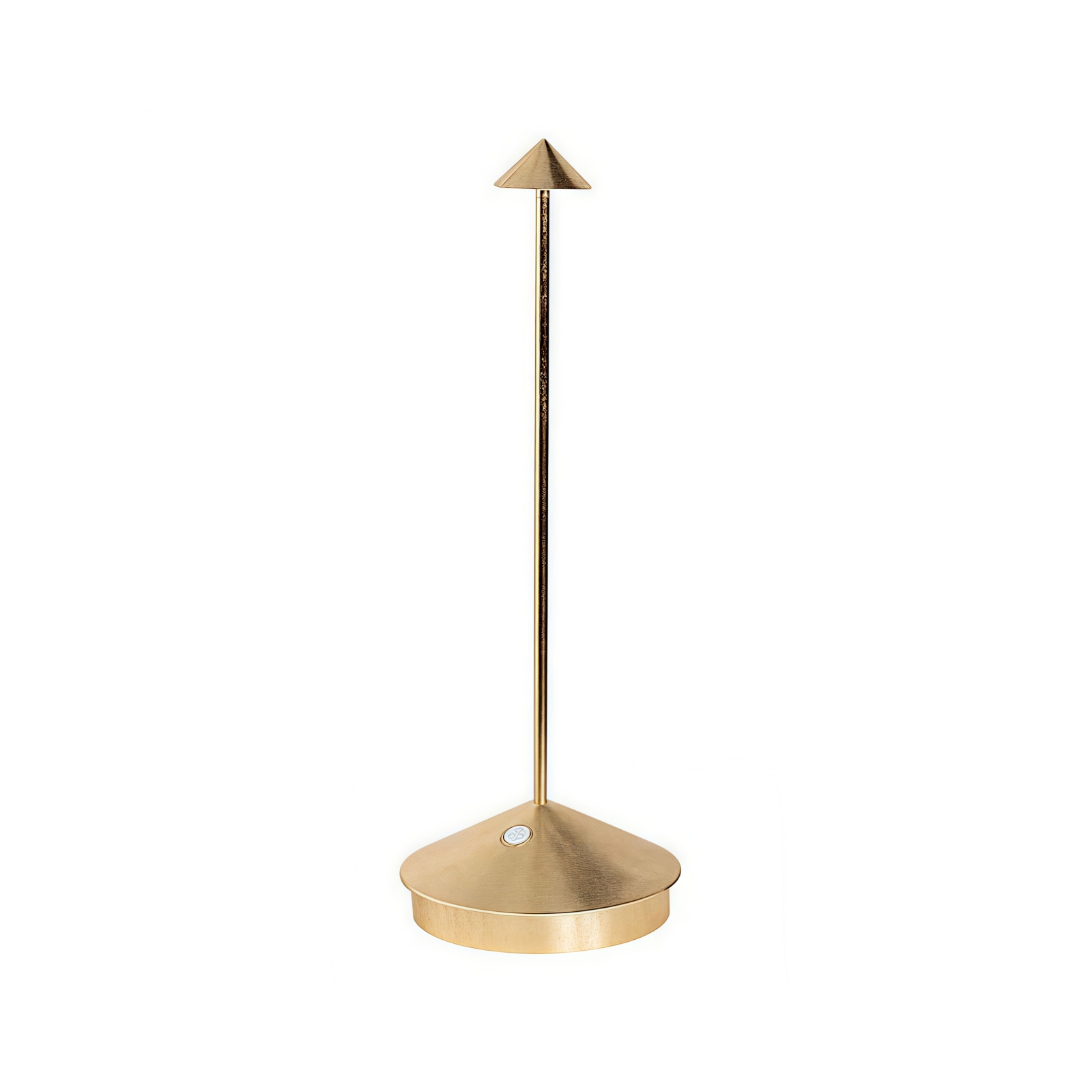
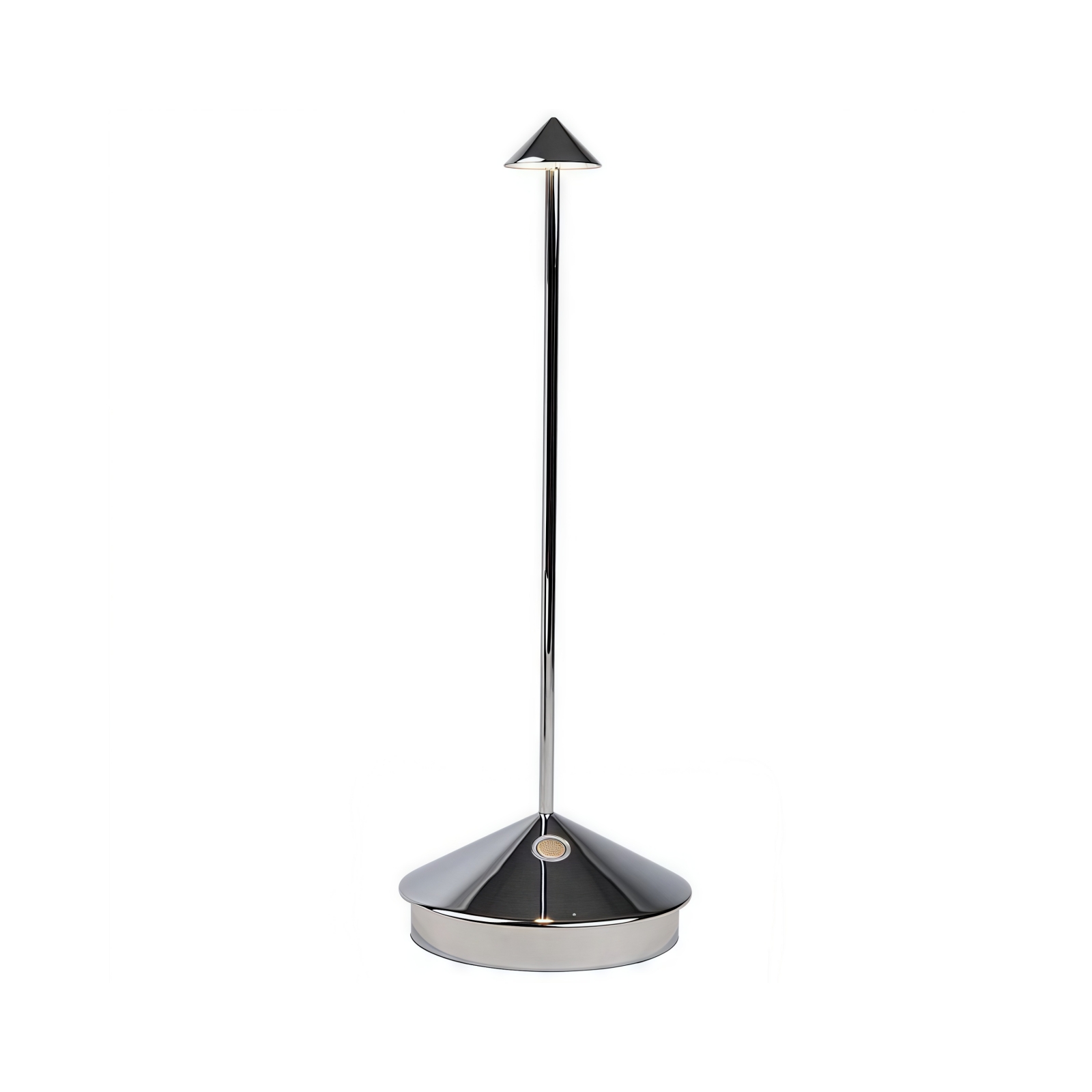
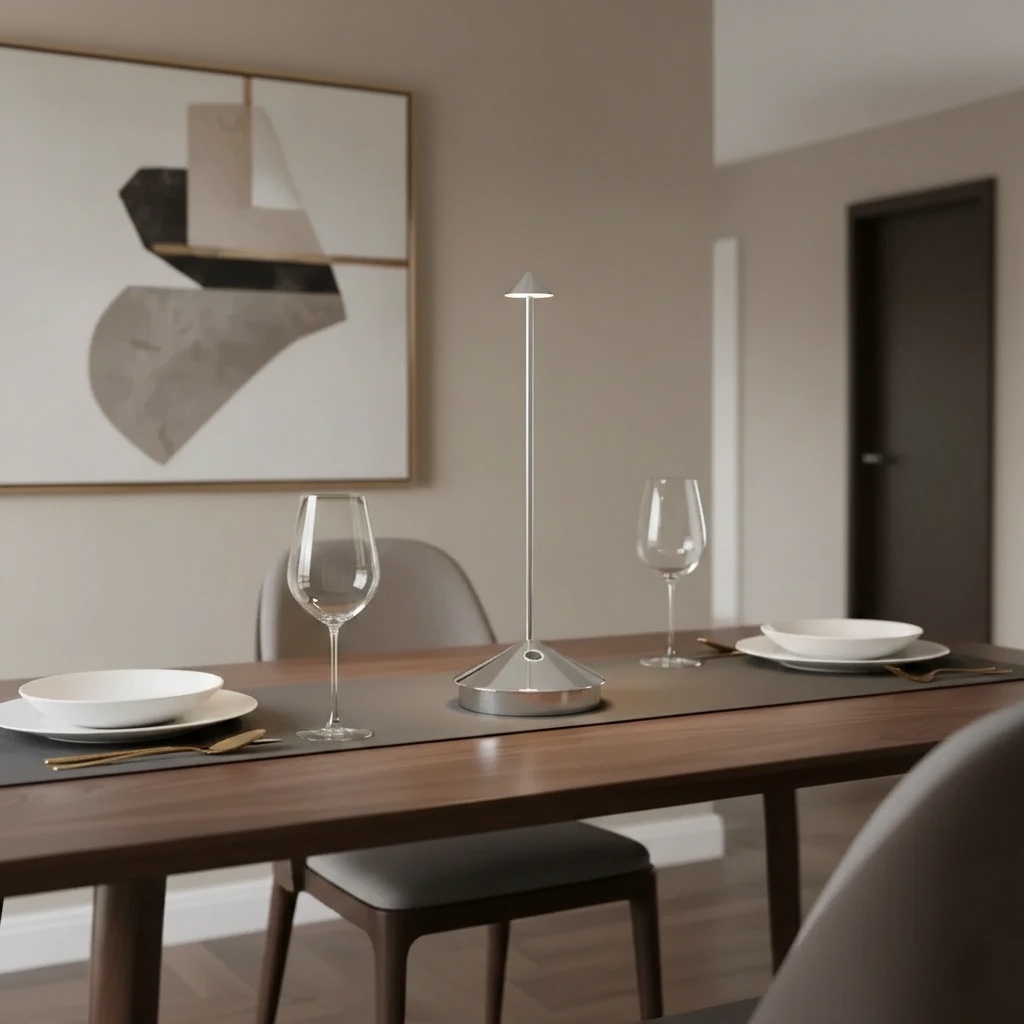
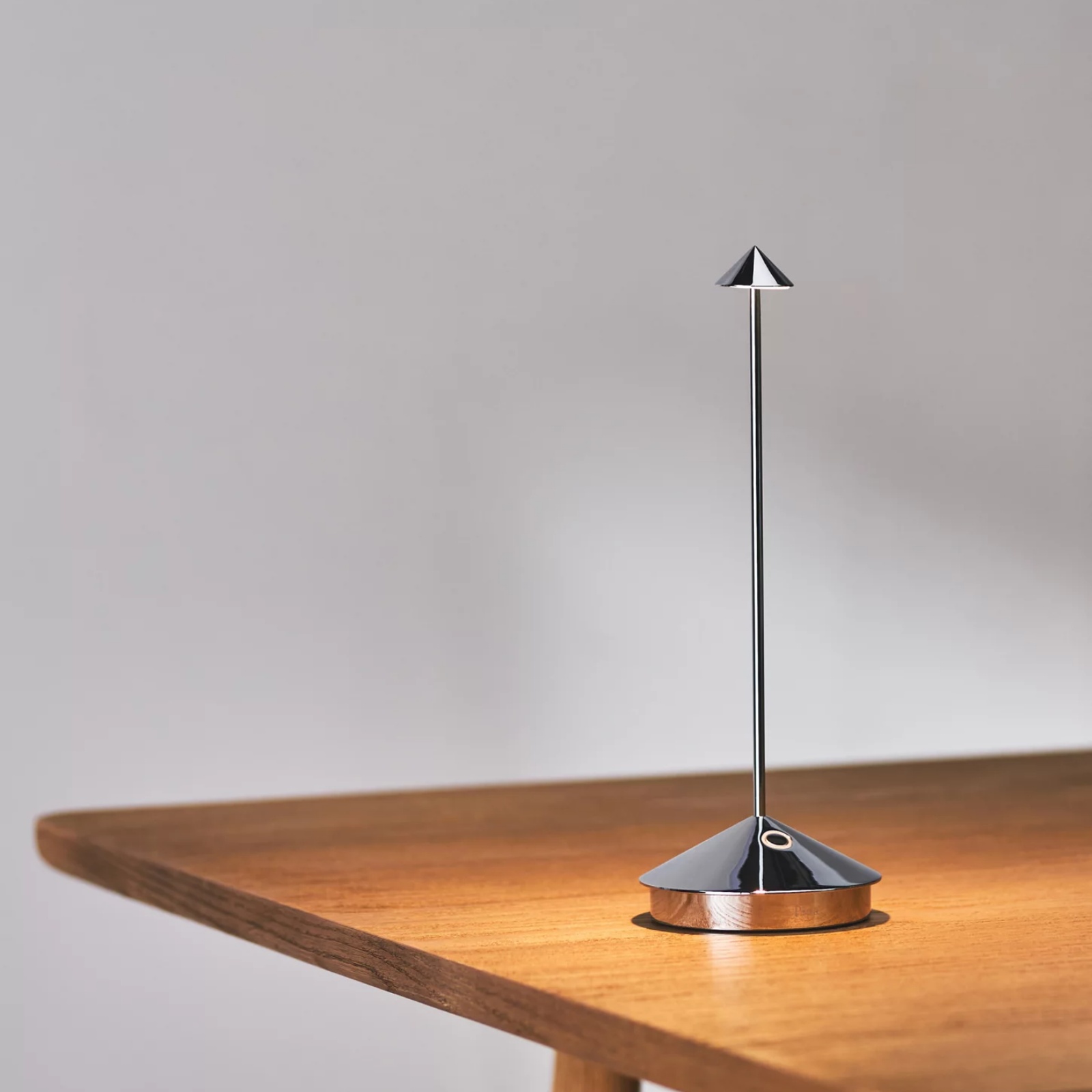
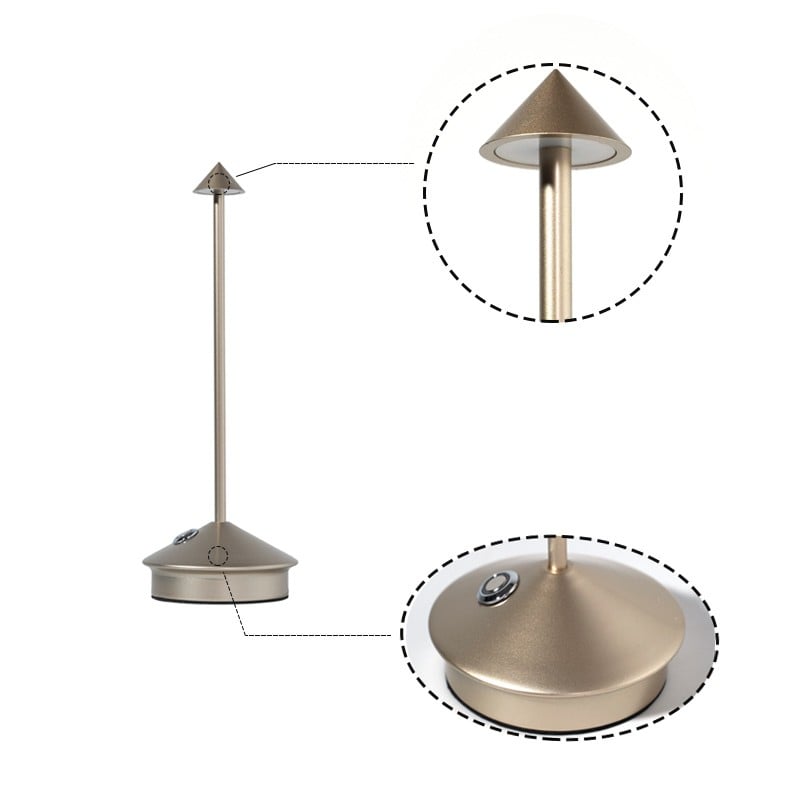
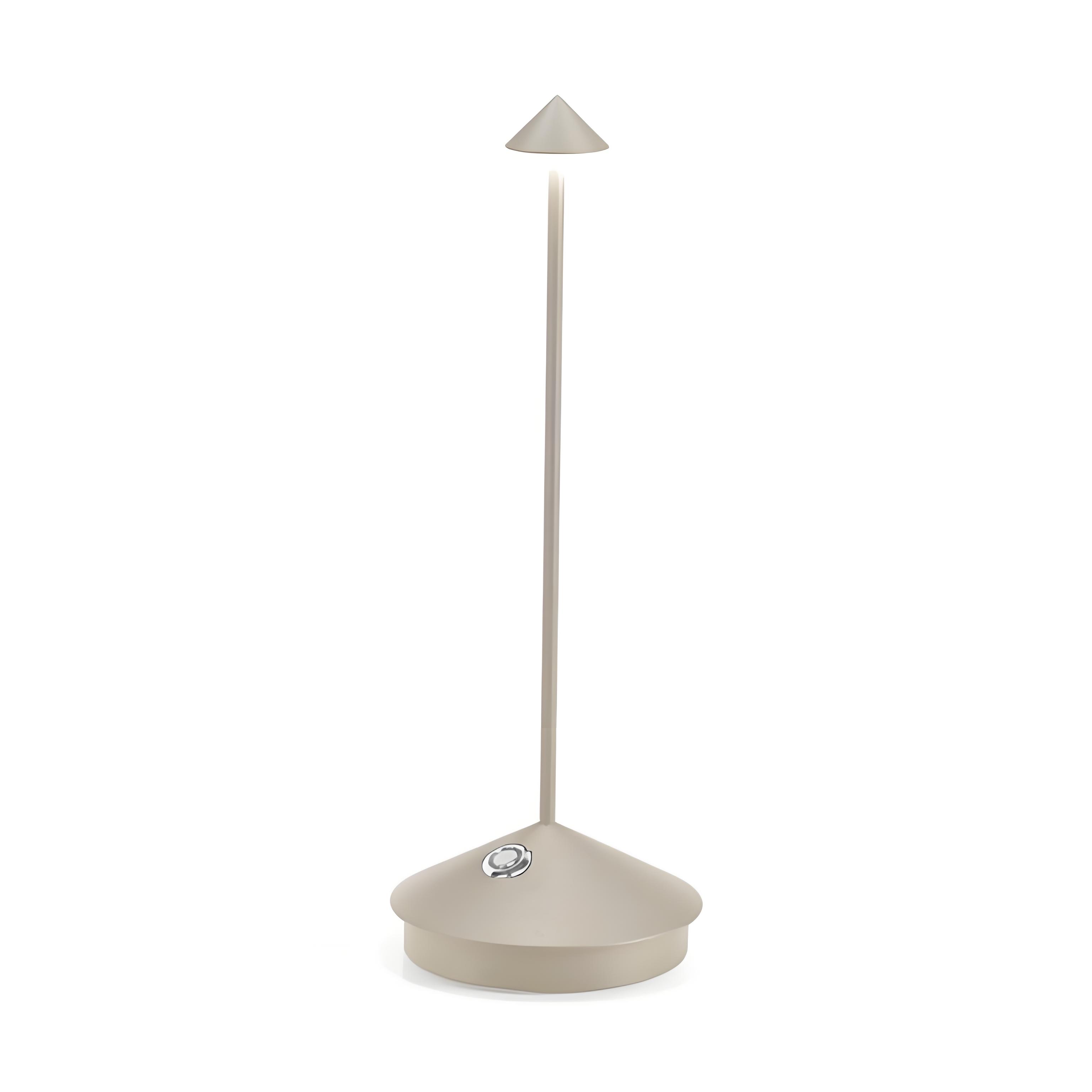
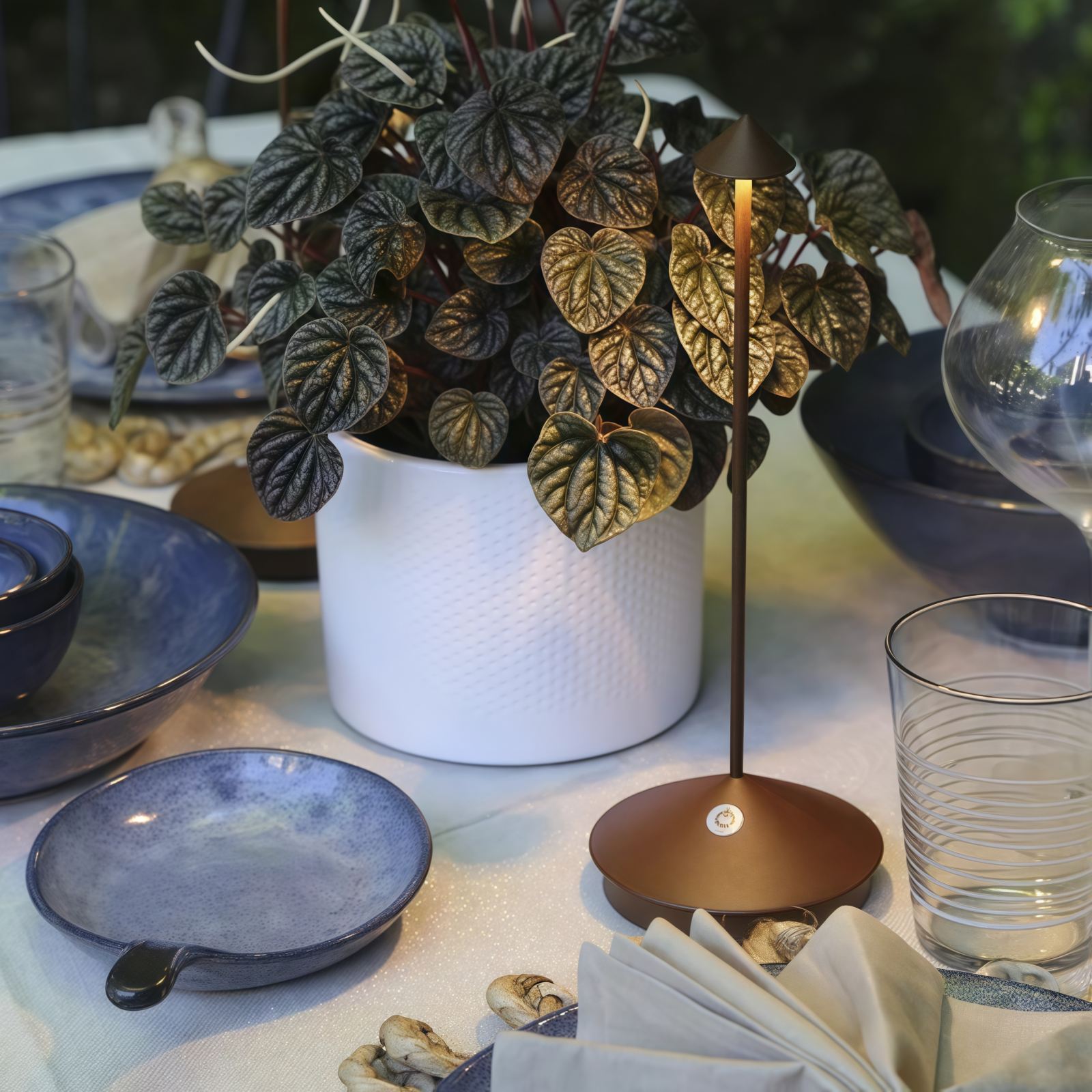
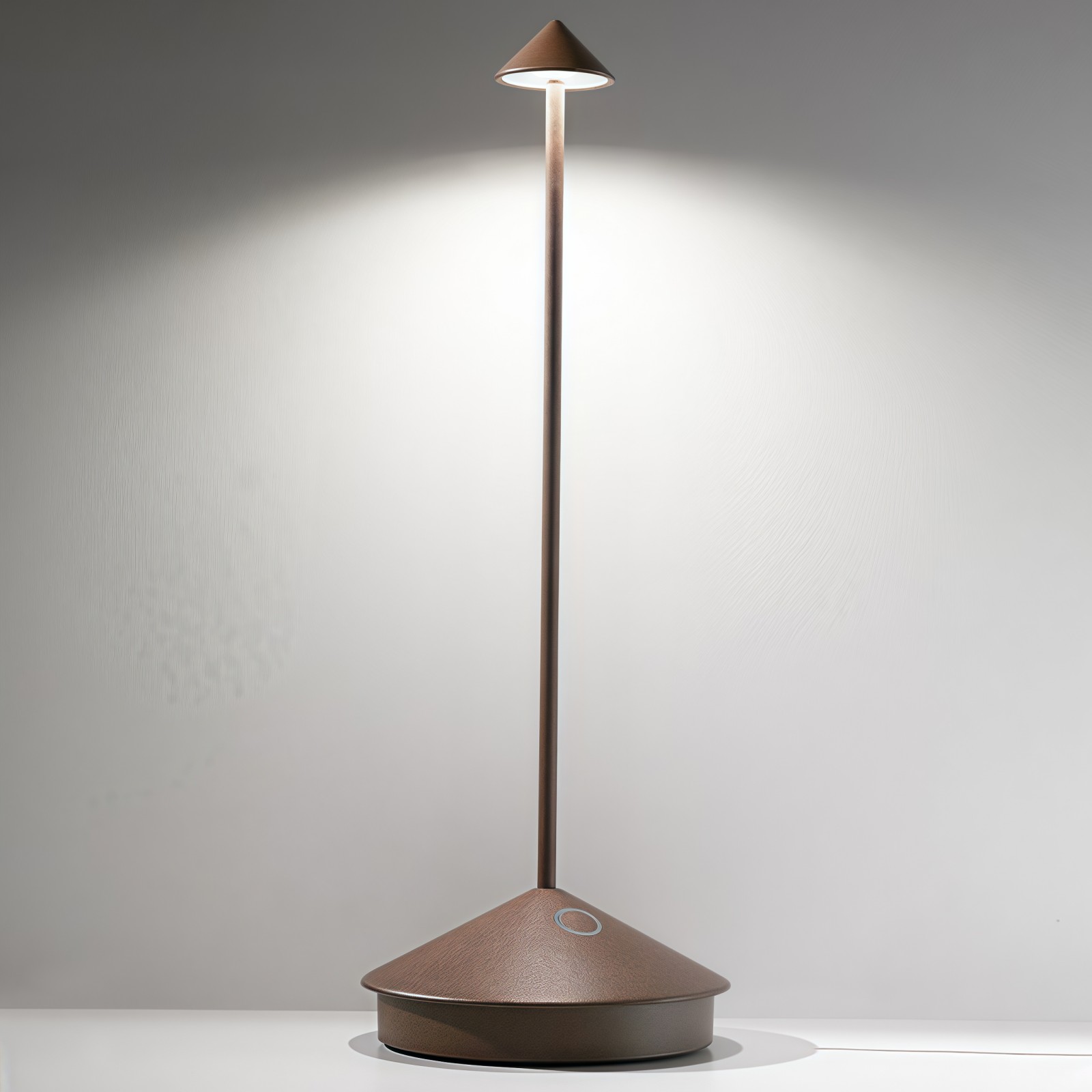
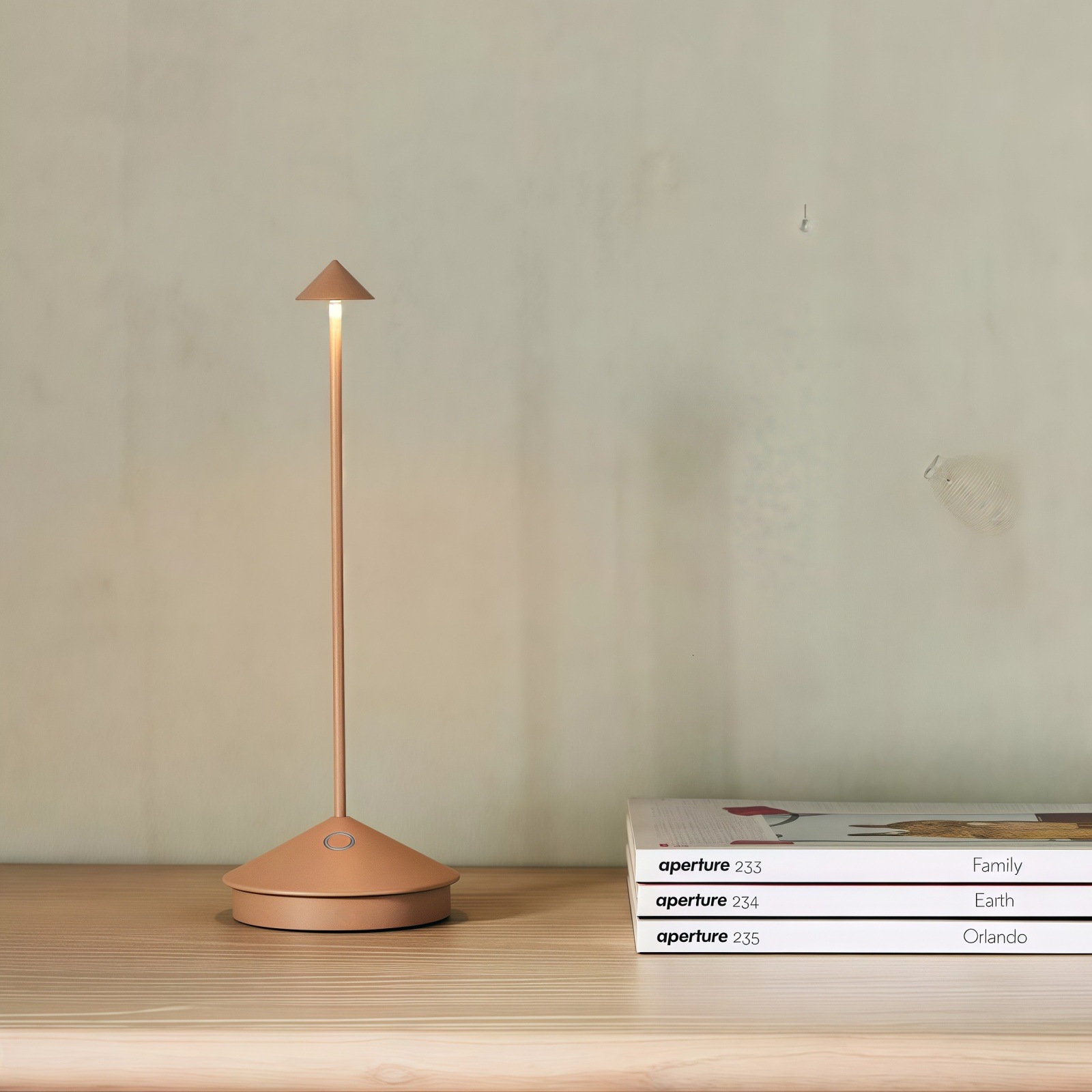
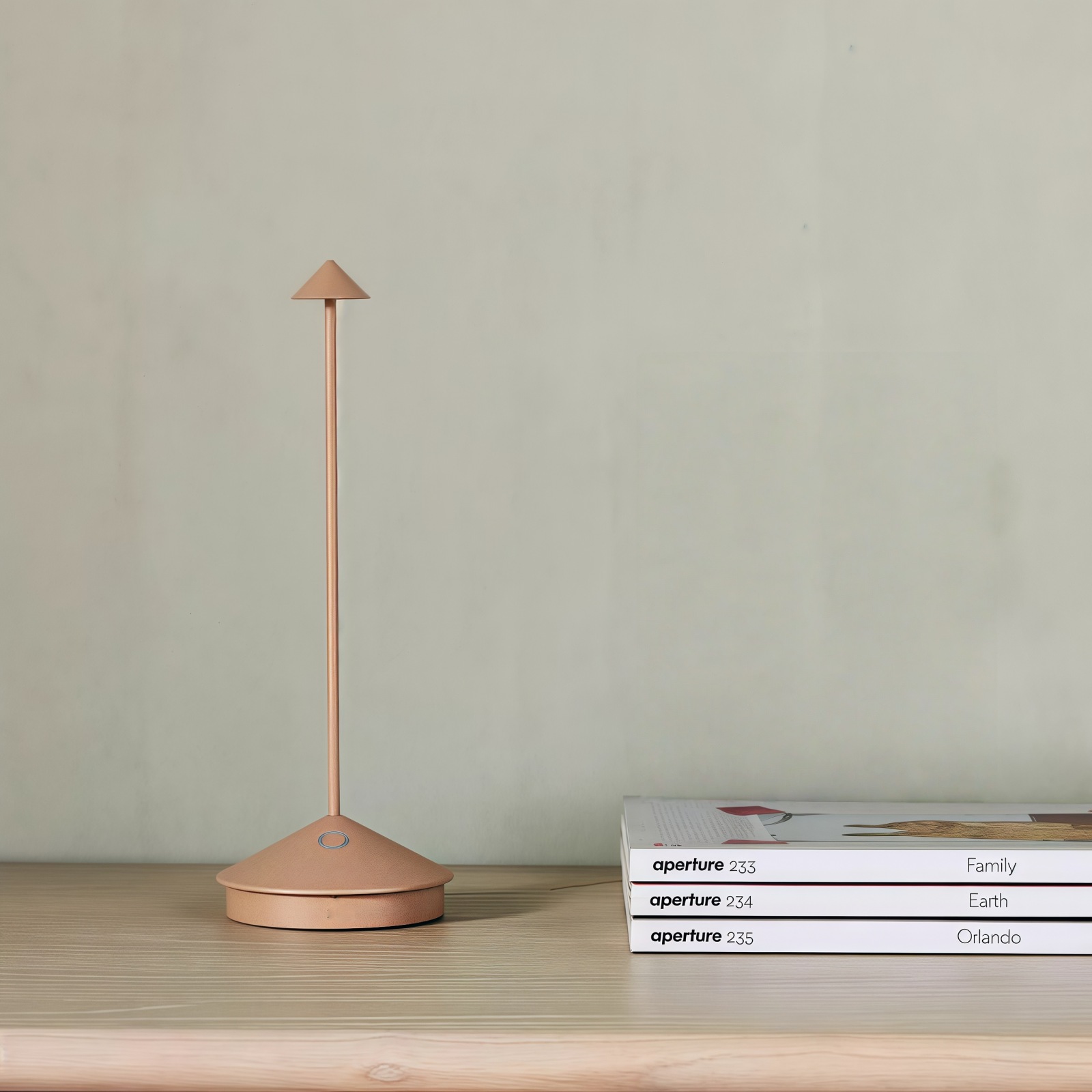
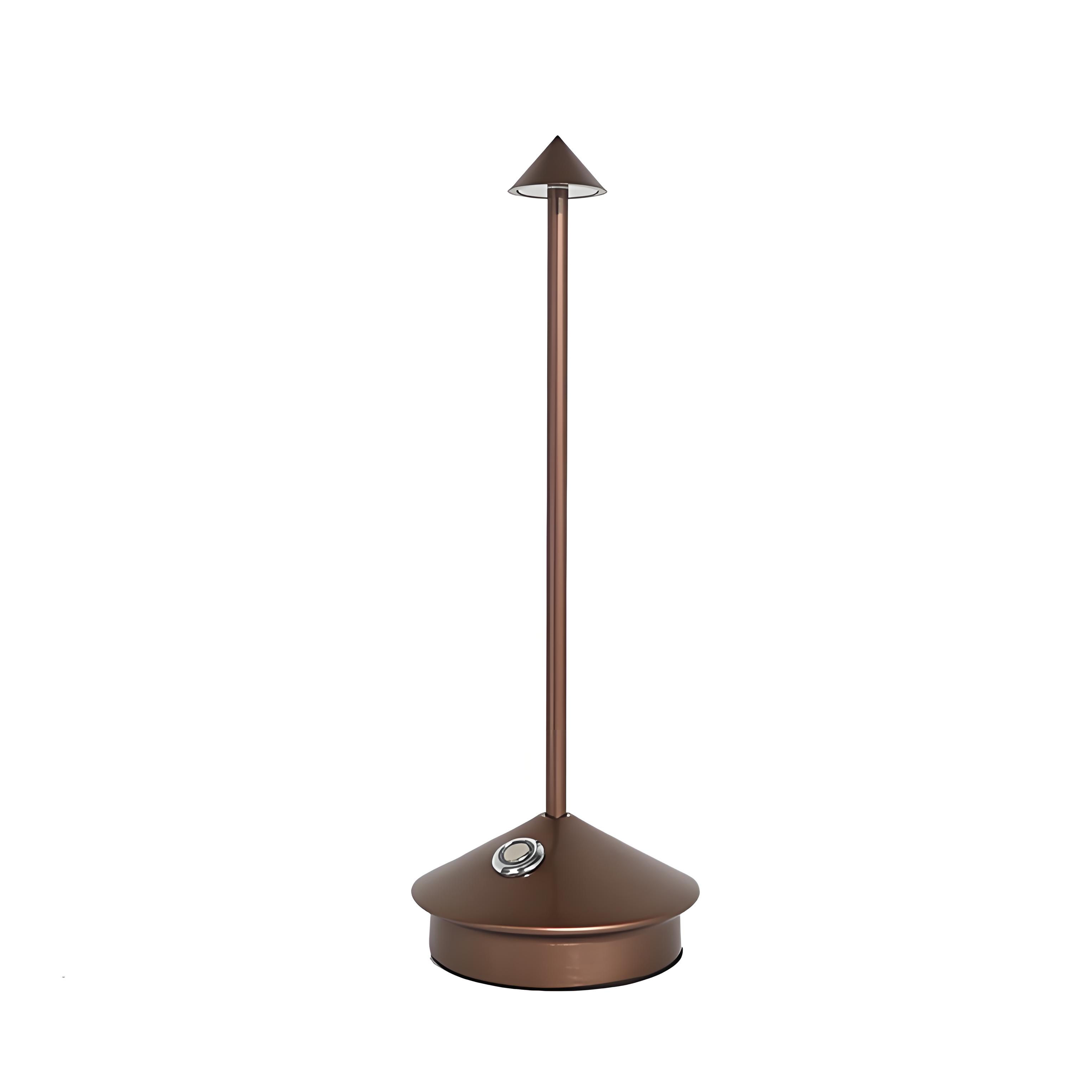
La lampada LED portatile Glimma combina dimensioni compatte (10,5 cm di diametro, 29 cm di altezza), un design senza fili ricaricabile e la funzione di regolazione dell'intensità luminosa tramite touch. Queste dimensioni le conferiscono una presenza sufficiente per incorniciare piccoli oggetti, lasciando che siano questi ultimi a essere i protagonisti.
Inizia con la storia del prodotto, poi scegli il ruolo della luce
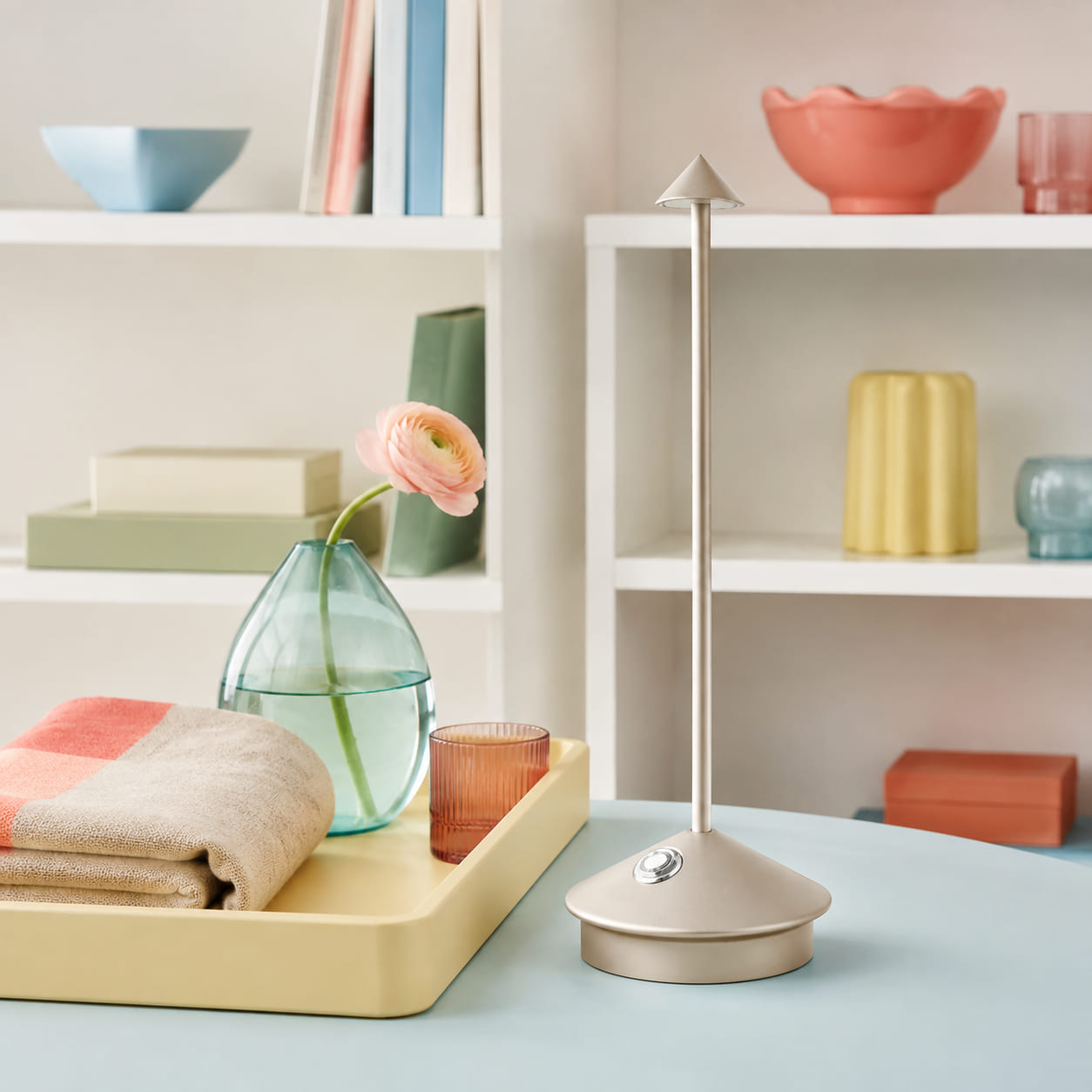
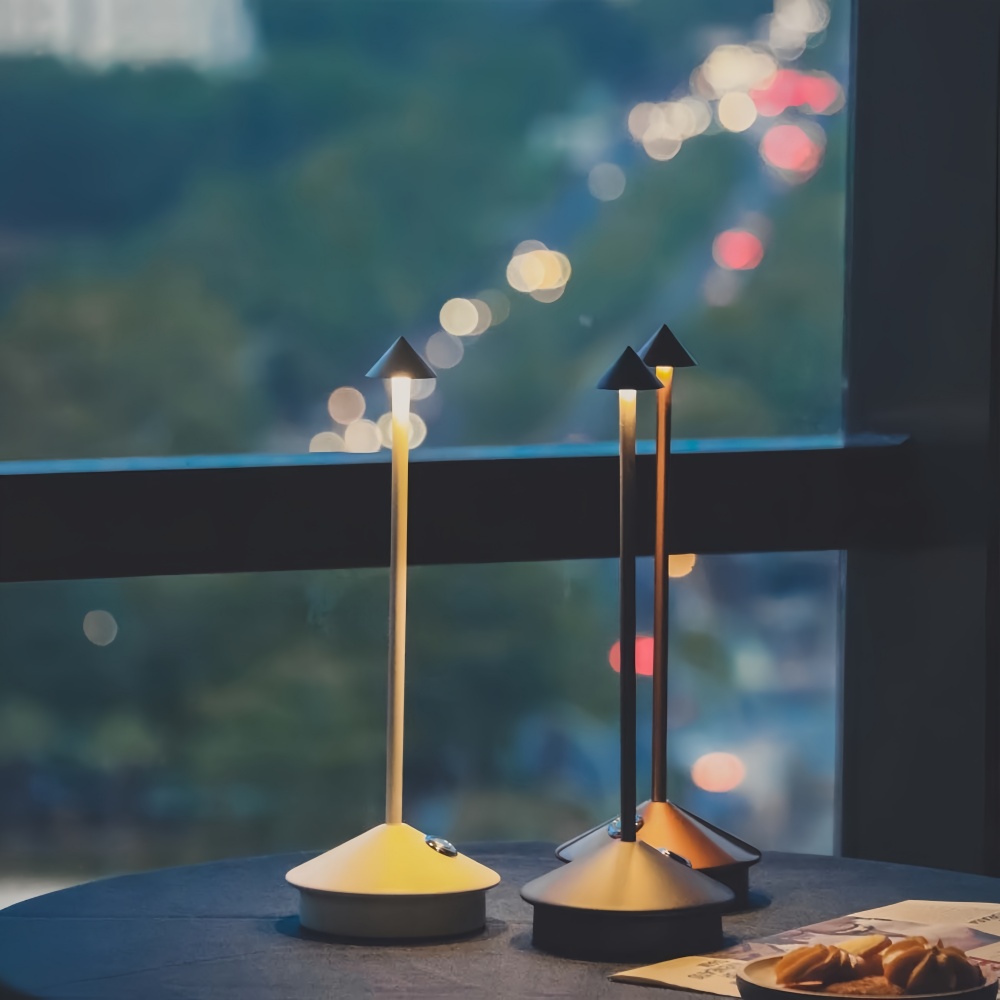
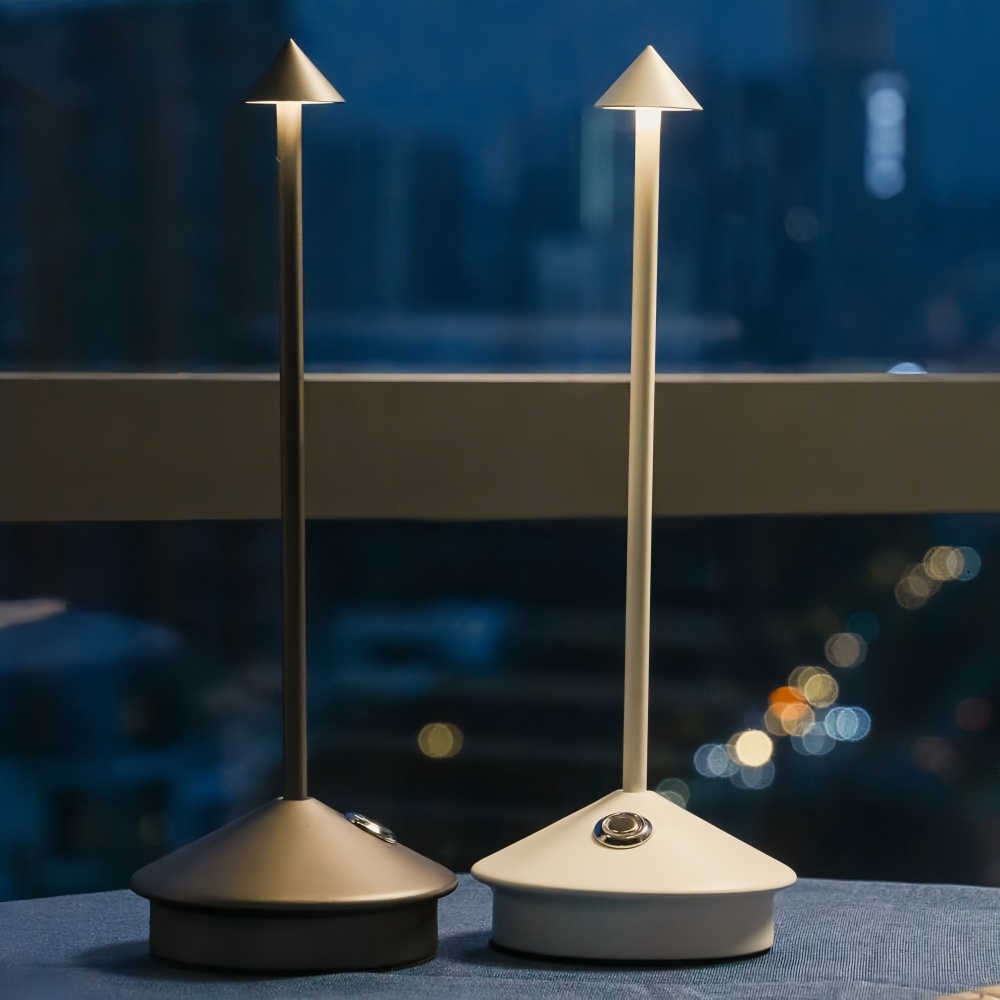
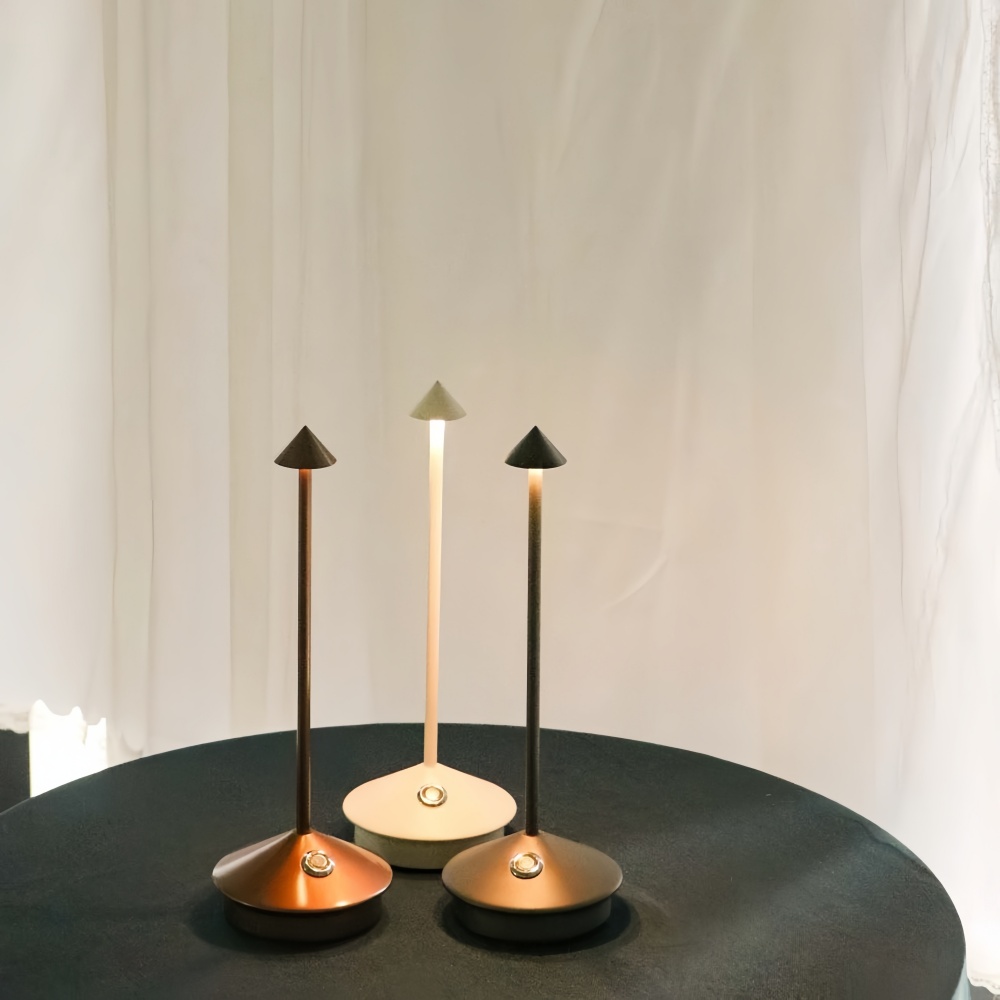
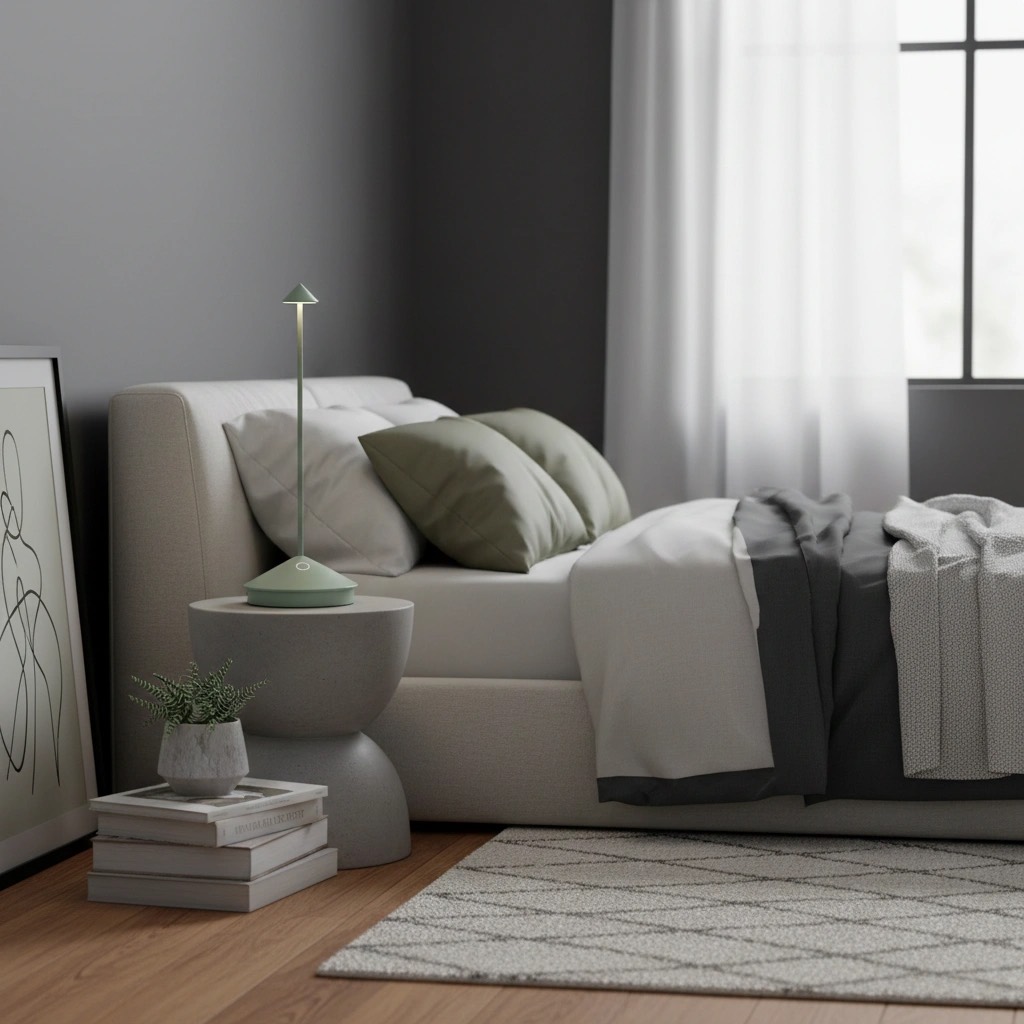
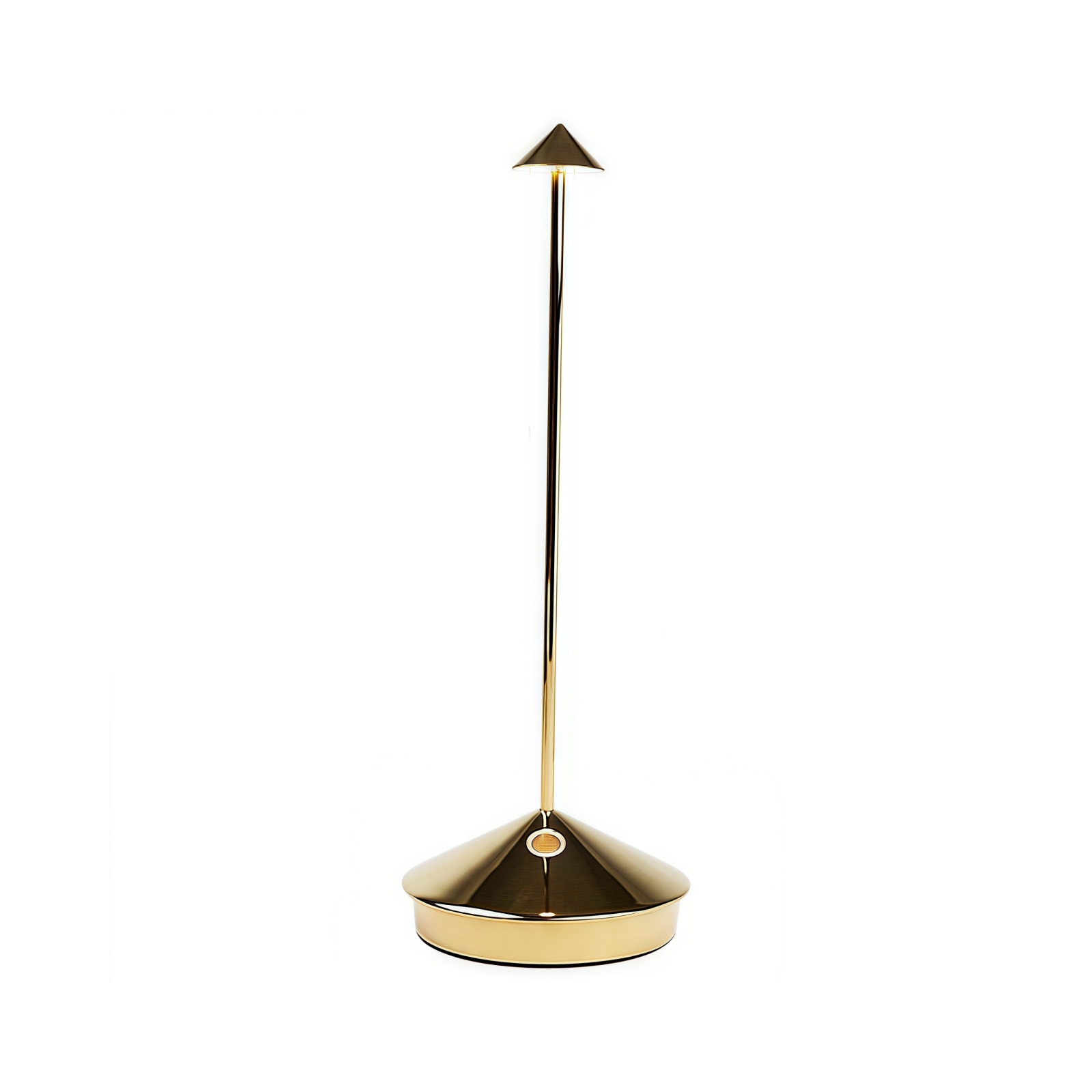
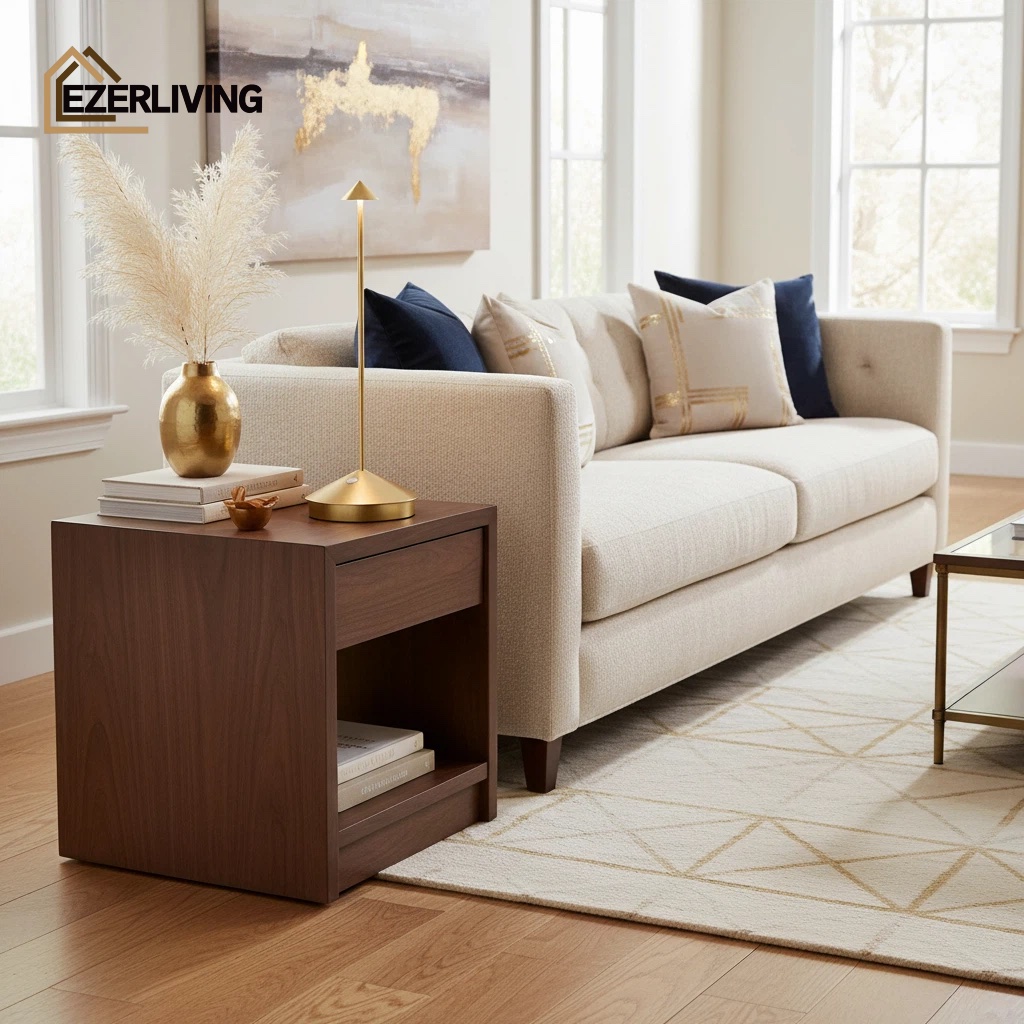
Prima di posizionare una lampada, individuate l'elemento principale che l'esposizione deve comunicare. La collezione è rilassante e tattile, festosa e adatta ai regali, oppure precisa e moderna? La risposta determinerà la finitura, la luminosità e la posizione della lampada. Una lampada color sabbia o salvia può valorizzare ceramiche, tessuti e confezioni di prodotti per la cura della pelle naturali. Il cromo può esaltare la tecnologia o gli accessori. L'oro può aggiungere un tocco celebrativo a regali, gioielli o abiti da cerimonia.
Non riprodurre ogni colore alla lettera. Una composizione dall'aspetto elegante richiede solitamente un elemento ripetuto e un contrasto controllato. Ripeti una finitura già presente in un vassoio, una maniglia o un dettaglio del prodotto, quindi lascia che la calda luce a 3000K crei un contrasto con l'illuminazione generale più fredda.
Quattro spettacoli teatrali che si meritano il loro spazio in scena
1. I riflettori puntati sul nuovo arrivo senza i riflettori
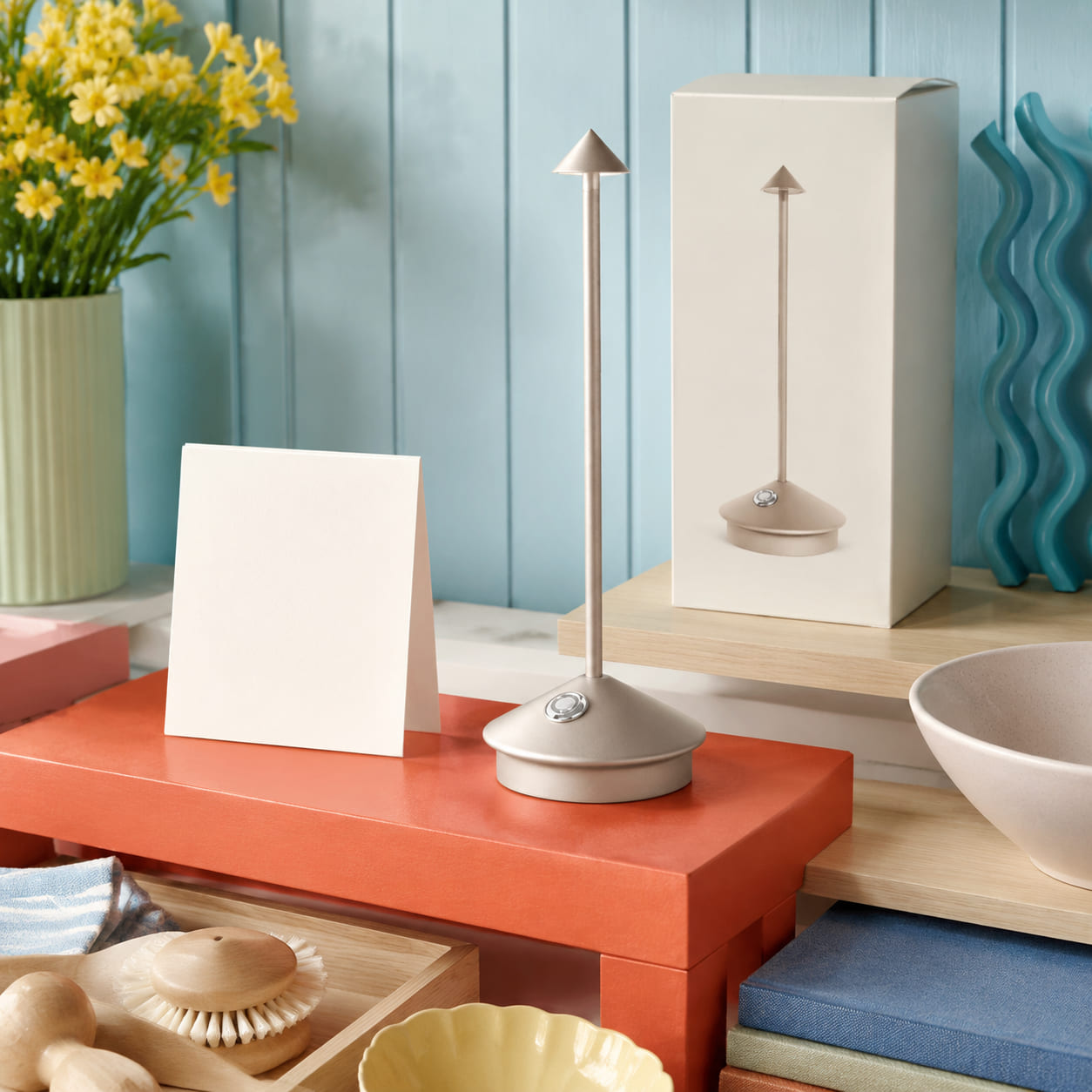
Posizionate una lampada dietro e leggermente di lato rispetto al prodotto principale. Il paralume e lo stelo aggiungono una linea verticale, mentre la luce diffusa contribuisce a dare l'impressione che il prodotto sia stato appena presentato, piuttosto che semplicemente riassortito. Tenete i cartellini del prezzo nell'area illuminata, ma evitate di appoggiarli alla base della lampada.
2. Il tavolo dei materiali “toccami”
Una luce calda e angolata può rendere più piacevoli al tatto il legno, i tessuti, la carta e le ceramiche smaltate. Disponete i campioni in modo che i clienti possano raggiungerli senza dover spostare la lampada. Se la merce ha una superficie lucida, decentrate la lampada in modo che i riflessi non ne nascondano la forma.
3. La scena pronta per il regalo
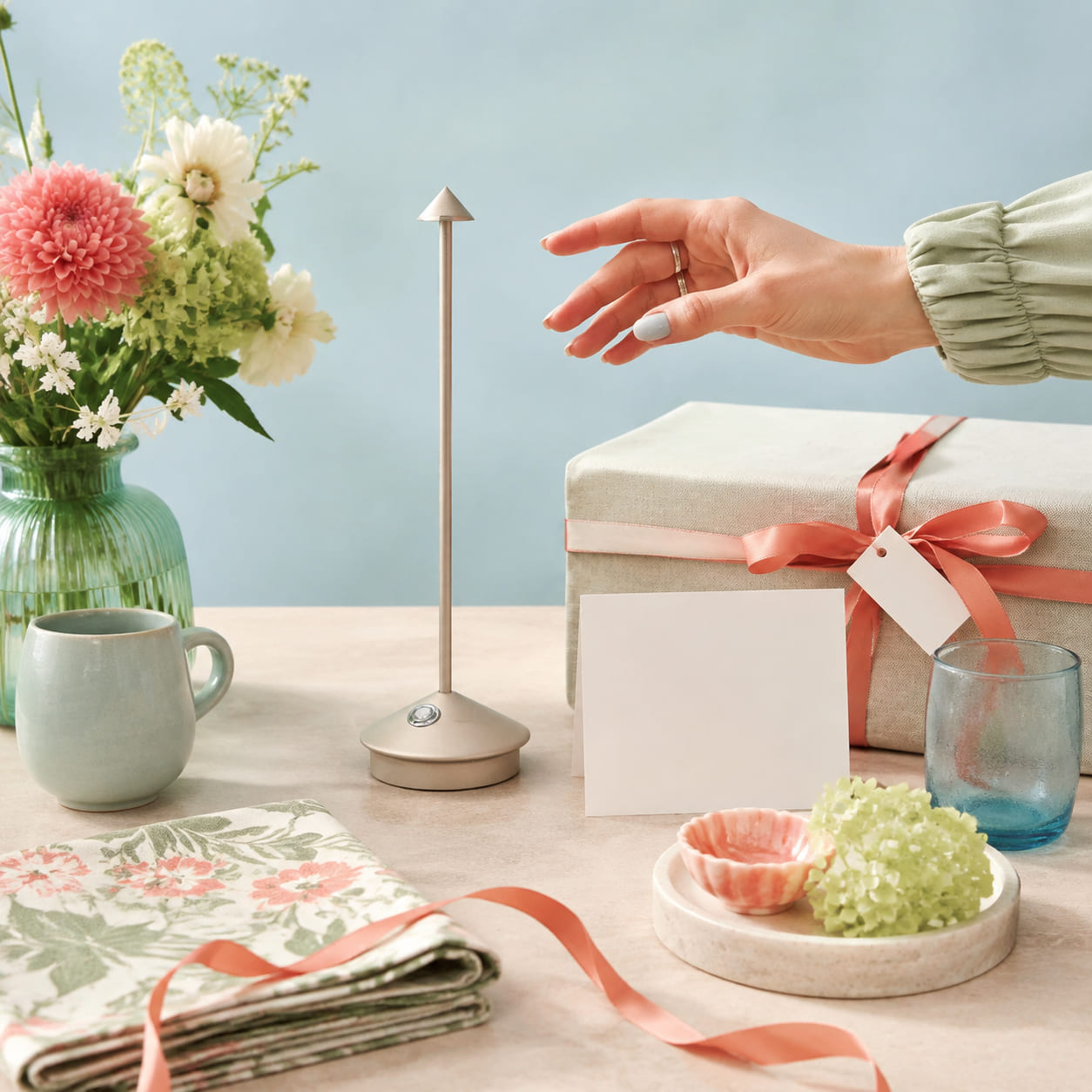
Utilizzate la lampada per collegare oggetti separati in un unico evento: una tazza, un panno, un portacandele e un biglietto possono trasformarsi in una delicata narrazione di convivialità. È qui che la lezione emotiva tratta da "Un piccolo cerchio di luce, una tavola più intima: perché le insenature di luce cambiano il modo in cui ci riuniamo" si rivela commercialmente utile. Il cliente non vede solo gli oggetti, ma anche l'emozione che quegli oggetti potrebbero creare a casa.
4. Il momento della campagna mobile
Per una serata di lancio, uno stand al mercato o un'attivazione del marchio, l'illuminazione senza fili può adattarsi al flusso di persone. Iniziate vicino all'ingresso, poi spostate la lampada nella zona dimostrativa o alla cassa man mano che l'evento si evolve. La stessa flessibilità viene esplorata su scala celebrativa in "Candele senza compromessi: perché le lampade da tavolo per matrimoni stanno prendendo il centro della scena" , dove l'utilizzo ripetuto di lampade da tavolo contribuisce a creare un'esperienza coerente per gli ospiti.
Un controllo pratico del posizionamento prima dell'apertura
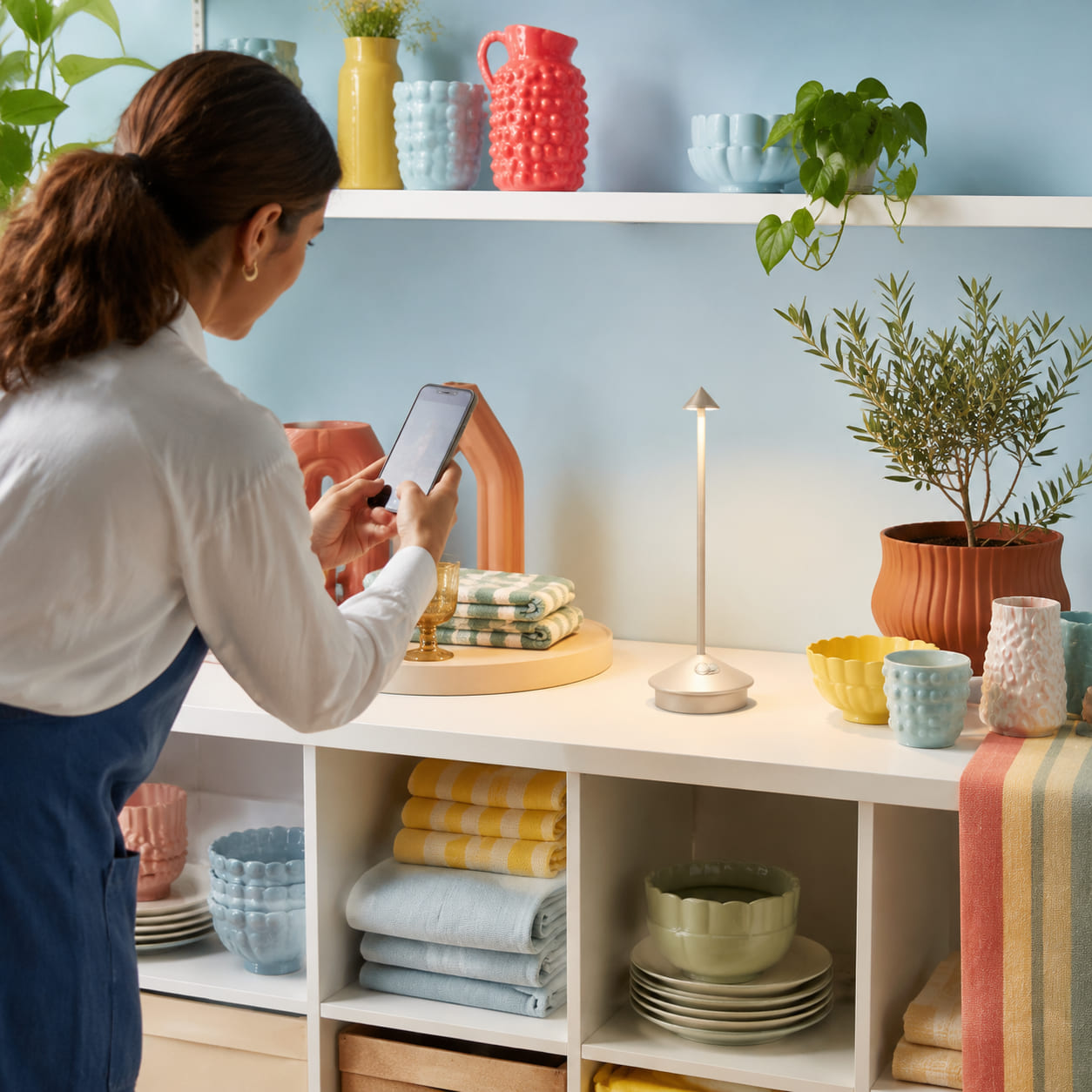
- Vista da cinque metri: la lampada dovrebbe caratterizzare l'allestimento, non diventare l'unico oggetto visibile.
- Vista da un metro di distanza: etichette, colori e texture devono rimanere nitidi e privi di riflessi.
- Visuale all'altezza delle mani: i clienti devono poter guardare i prodotti senza che le maniche o le borse si impiglino nella lampada.
- Vista dalla coda: verificare che la luce non sia puntata direttamente negli occhi dei clienti in attesa.
- Visualizzazione tramite fotocamera del telefono: rimuovere i riflessi indesiderati prima che l'immagine venga pubblicata sui social.
La regolazione della luminosità tramite touch screen semplifica questi controlli, poiché la luminosità può essere regolata anche dopo l'assemblaggio del display. Iniziate con un valore inferiore a quello che pensate di impostare. Gli ambienti commerciali presentano già una forte illuminazione ambientale, quindi la lampada locale necessita di contrasto, non della massima potenza.
Scegli una finitura Glimma che supporti la campagna anziché contrastarla. Esplora i colori e le finiture metalliche disponibili , poi pianifica dove posizionare la lampada quando le scorte diminuiranno; la flessibilità è parte integrante dell'investimento.
Come evitare l'effetto "negozio di oggetti di scena"
Una lampada perde il suo fascino quando diventa un elemento di disturbo. Evita di posizionarne una su ogni ripiano, di mescolare troppe finiture diverse o di circondarla con oggetti della stessa altezza. La ripetizione può funzionare in una vetrina o su un lungo tavolo da evento, ma all'interno di una piccola boutique potrebbe appiattire la gerarchia che stavi cercando di creare.
Controllate anche il cavo di alimentazione, anche con i prodotti senza fili. L'apparecchiatura di ricarica deve rimanere fuori dalla vista del cliente. Stabilite una procedura: caricate la lampada sollevandola da terra, controllate la finitura con un panno morbido e asciutto, riposizionatela nella sua posizione originale e verificate la luminosità prima di accenderla. Se la lampada viene utilizzata in un gazebo esterno riparato, ricordate che la certificazione IP54 indica resistenza all'acqua e alla polvere, non un'esposizione prolungata e incurante; asciugate la superficie dopo la pioggia.
Trasforma l'interesse visivo in un percorso d'acquisto più chiaro
Anche una bella esposizione ha bisogno di un tocco in più. Posiziona il prezzo o il messaggio più importante del prodotto all'interno della composizione illuminata, non a diversi centimetri di distanza. Mantieni il messaggio breve. Se la lampada mette in evidenza un pacchetto, mostra chiaramente la logica che lo sottende. Se segnala nuovi arrivi, rendi facile trovare il prossimo colore o la prossima taglia disponibile.
Misurate quindi il comportamento in modo semplice e umano. Osservate se i clienti si fermano, toccano un prodotto, fanno una domanda o lo portano davanti a uno specchio. Modificate una variabile alla volta – posizione della lampada, luminosità o raggruppamento dei prodotti – in modo che il team possa capire cosa ha migliorato l'esposizione. L'obiettivo non è affermare che l'illuminazione da sola generi vendite, ma rendere la presentazione del prodotto più visibile e comprensibile.
Per una soluzione di illuminazione portatile che si adatti a vetrine, tavoli ed eventi, scopri la lampada LED portatile Glimma . Inizia con un allestimento di grande impatto, fotografa la composizione e trasforma la soluzione vincente in una formula di visual merchandising replicabile.
Domande da porre prima dell'apertura delle porte
La lampada da esposizione dovrebbe essere più luminosa delle luci del negozio?
Serve un contrasto evidente, non la massima luminosità. Regolate fino a quando l'oggetto non risulta a fuoco senza riflessi.
Quante lampade sono necessarie per un piccolo allestimento?
Di solito uno. Aggiungetene un secondo solo quando la visualizzazione è lunga o volutamente simmetrica.
Quale finitura appare più pregiata?
La finitura che valorizza la storia del prodotto. I dettagli metallici aggiungono brillantezza; sabbia, bianco e salvia creano un'atmosfera più sobria.
I clienti possono toccare i prodotti accanto alla lampada?
Sì, a condizione che il percorso di navigazione rimanga libero e che la lampada non possa essere urtata o tirata facilmente.
Con quale frequenza è necessario regolare il display?
Controllalo quotidianamente e reimpostalo quando cambiano le scorte, la luce del giorno o l'obiettivo della campagna.