From First Coffee to Midnight Snacks: One Lamp, Four Kitchen Moods
A kitchen does not need the same light at 7 a.m. and 11 p.m. Morning asks for a gentle start, food preparation needs clarity, dinner wants warmth and midnight calls for just enough guidance. A portable table lamp can give each moment a distinct mood while the fixed lighting handles the practical work. The key is to move, dim and pair it intentionally rather than leaving it in one decorative pose.
First, give every light a job
The ceiling fixture is best at broad visibility. Under-cabinet lights serve work surfaces. A small cordless lamp creates a local destination and fills the gap between “fully lit” and “almost dark.” This division prevents the portable lamp from being asked to do unsafe or unrealistic work.
Before styling, identify a dry, stable place clear of the sink, hob and busy chopping area. Make sure the base cannot be caught by a sleeve or charging cable. Then test the lamp from the seat or standing position where it will actually be enjoyed.
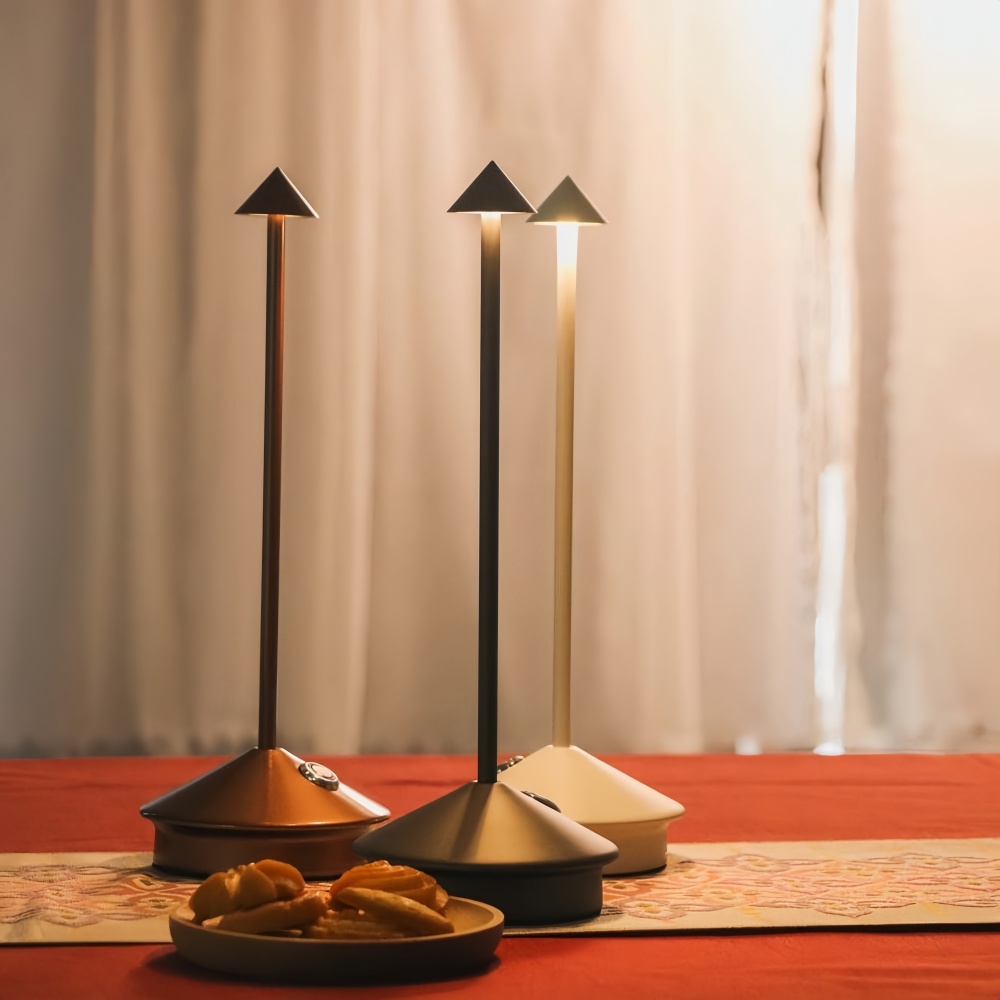
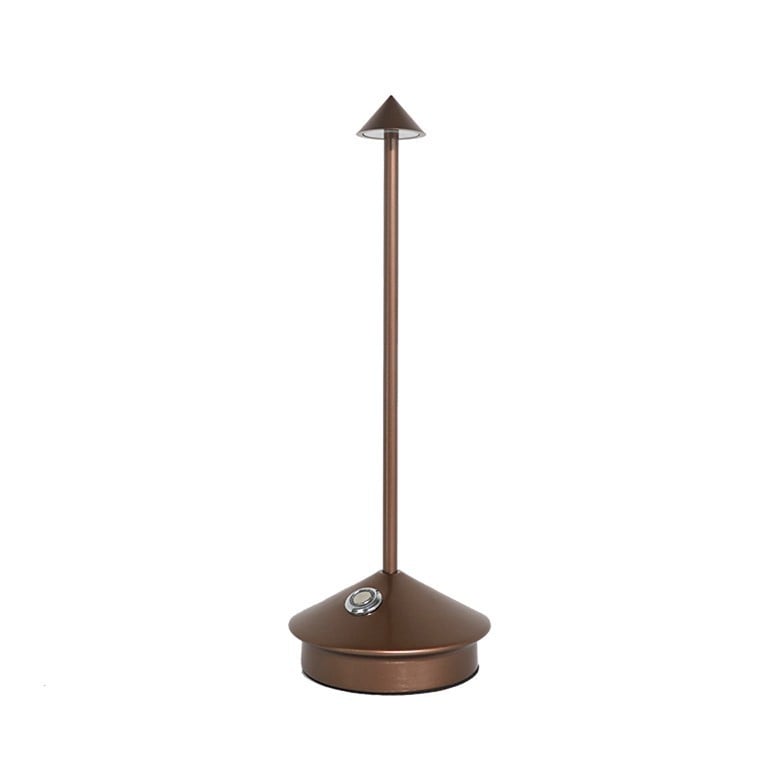
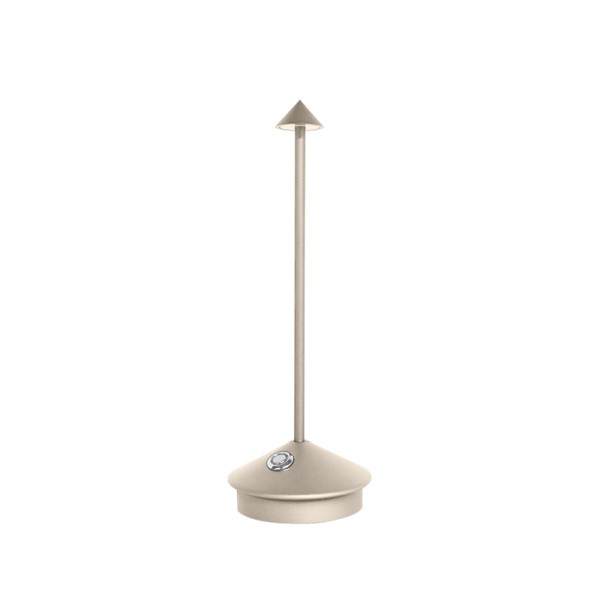
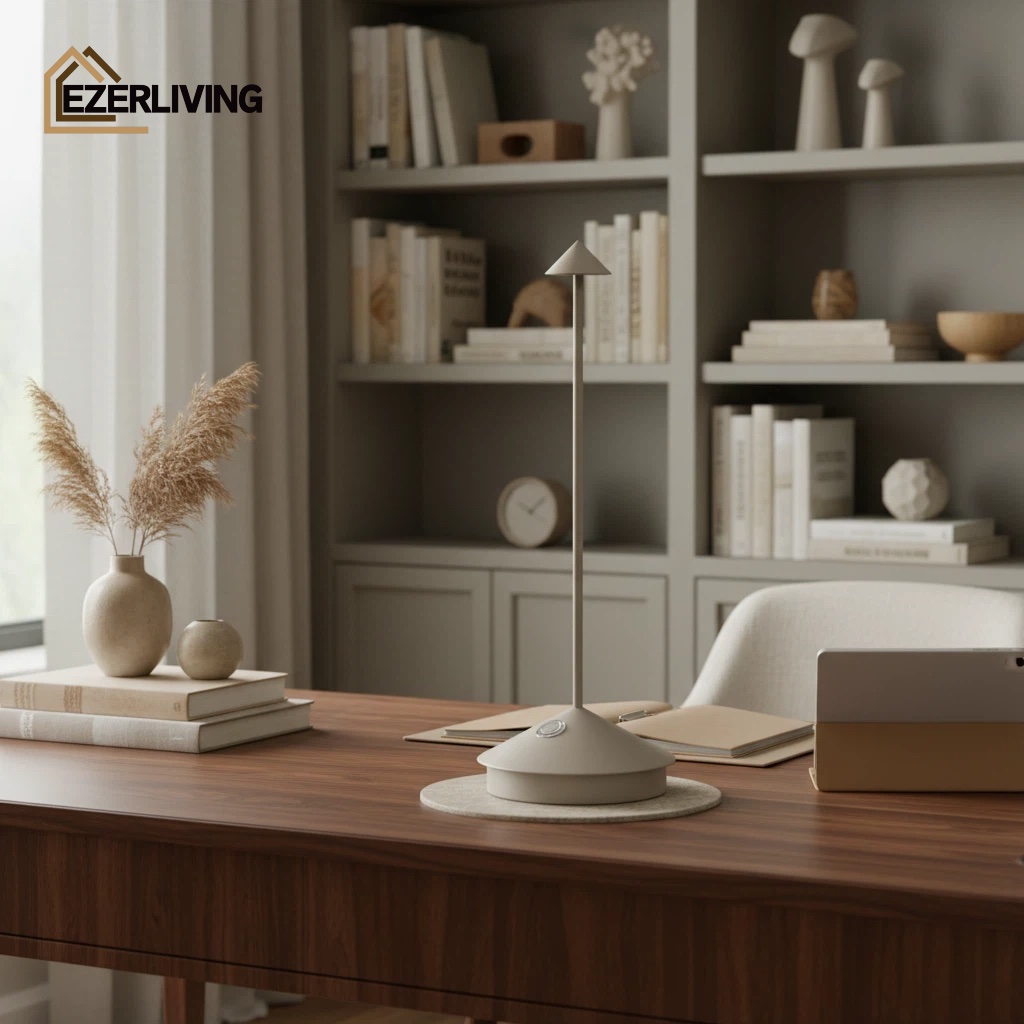
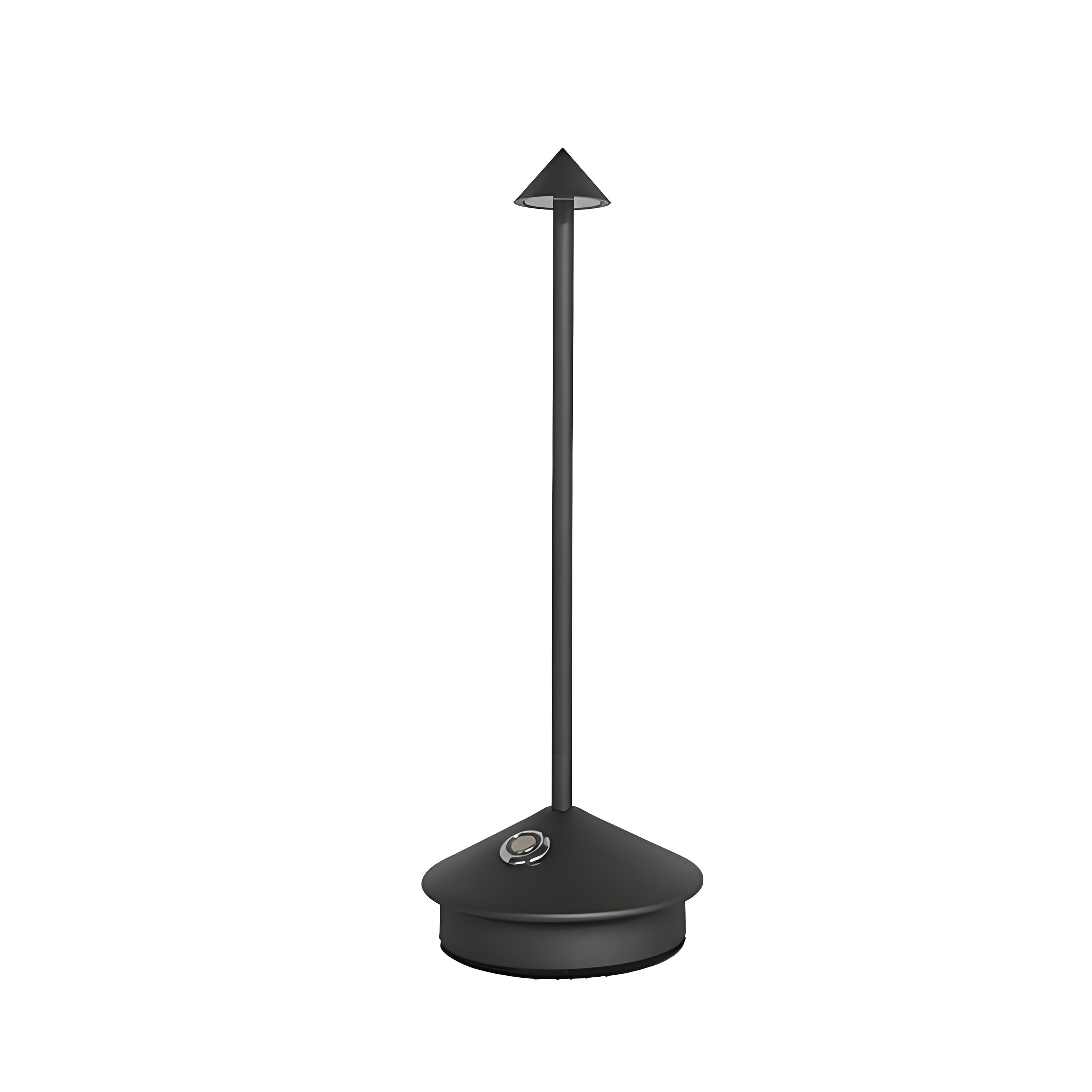
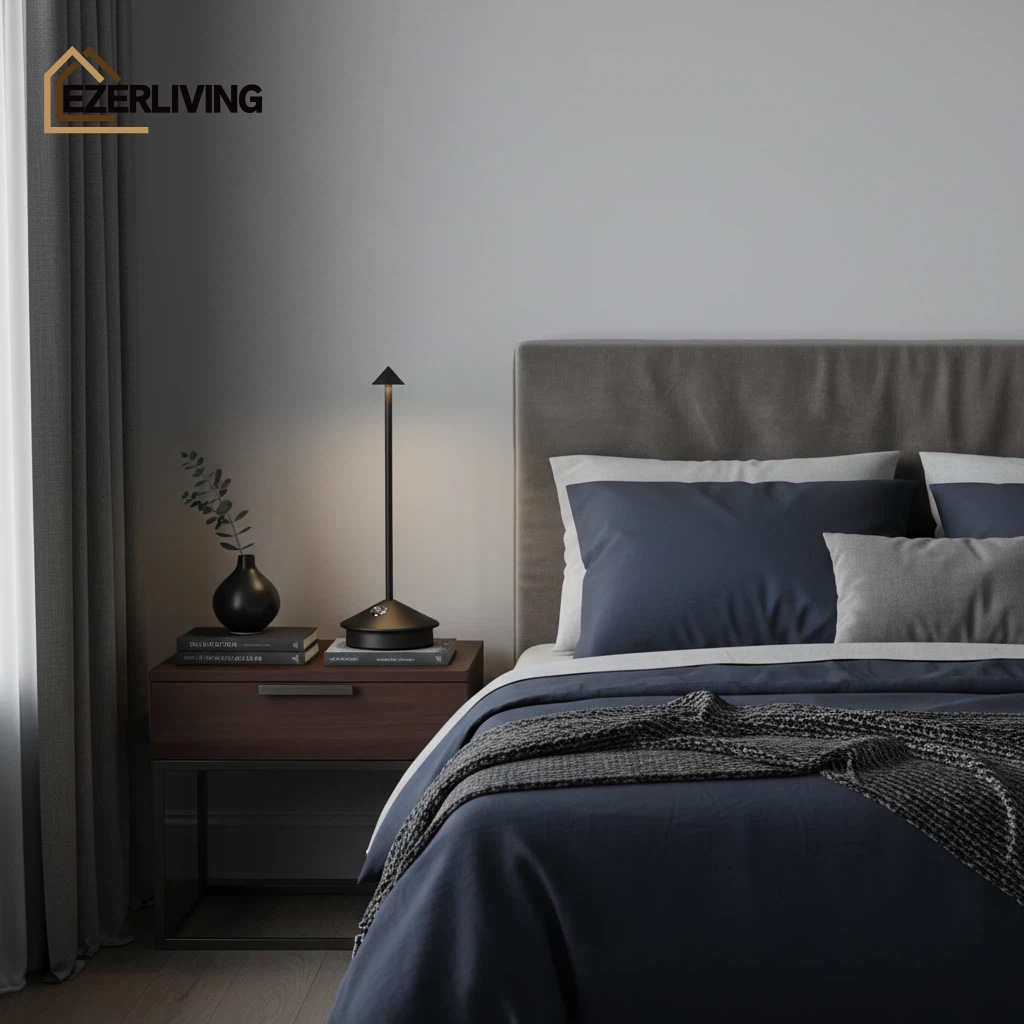
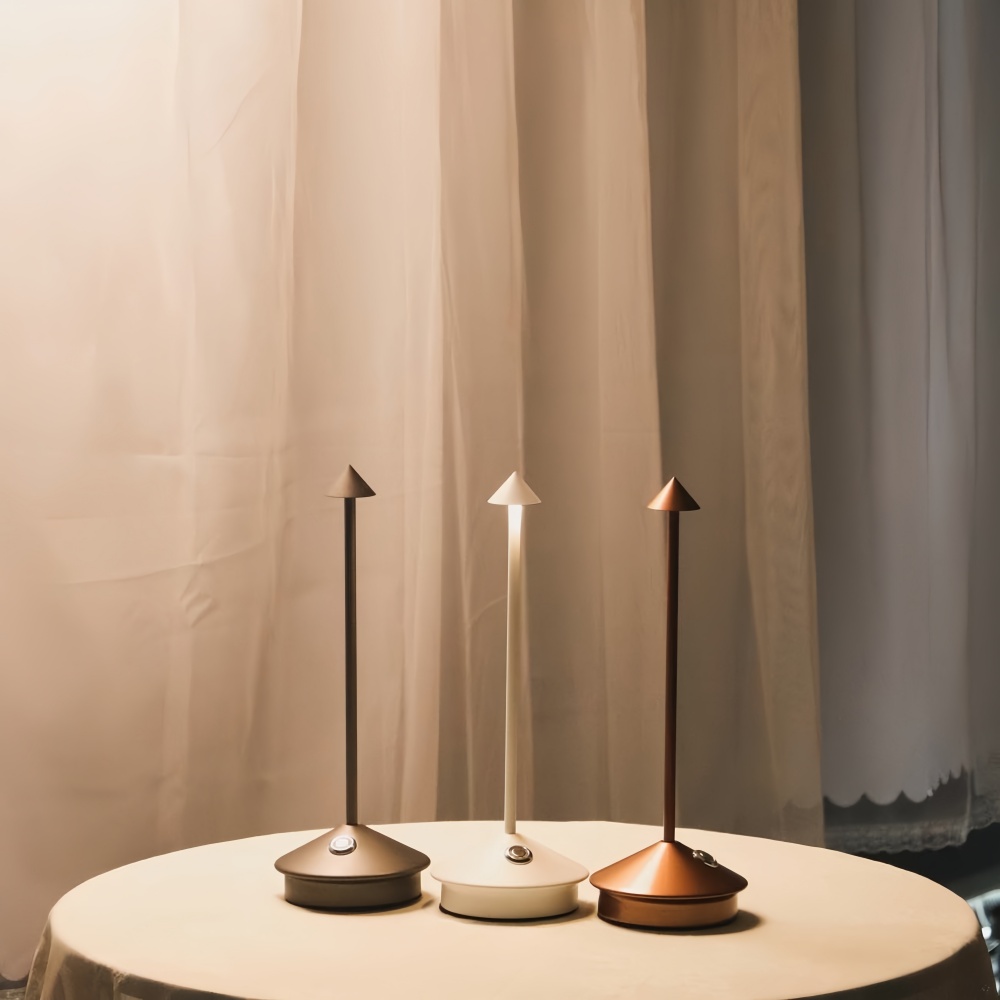
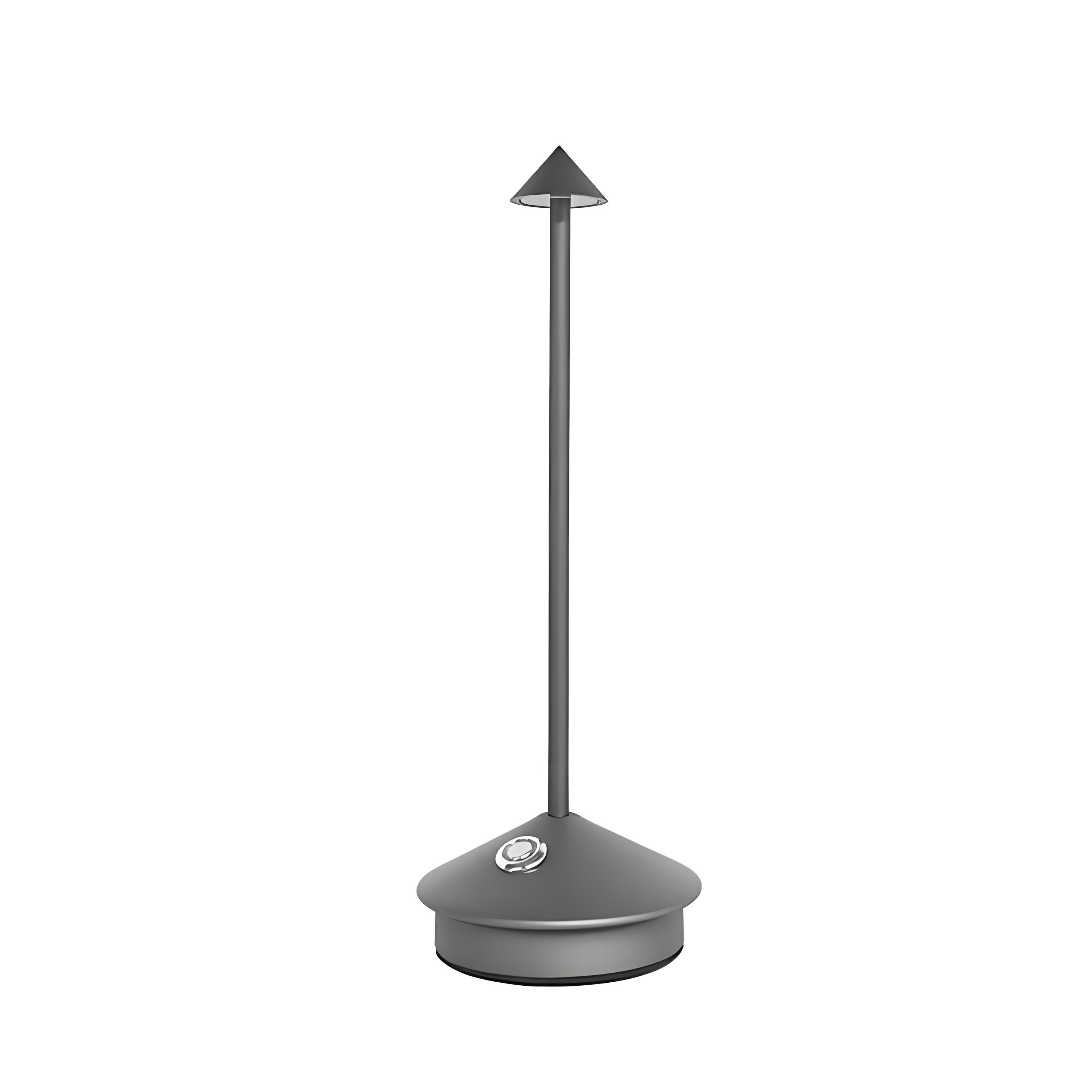
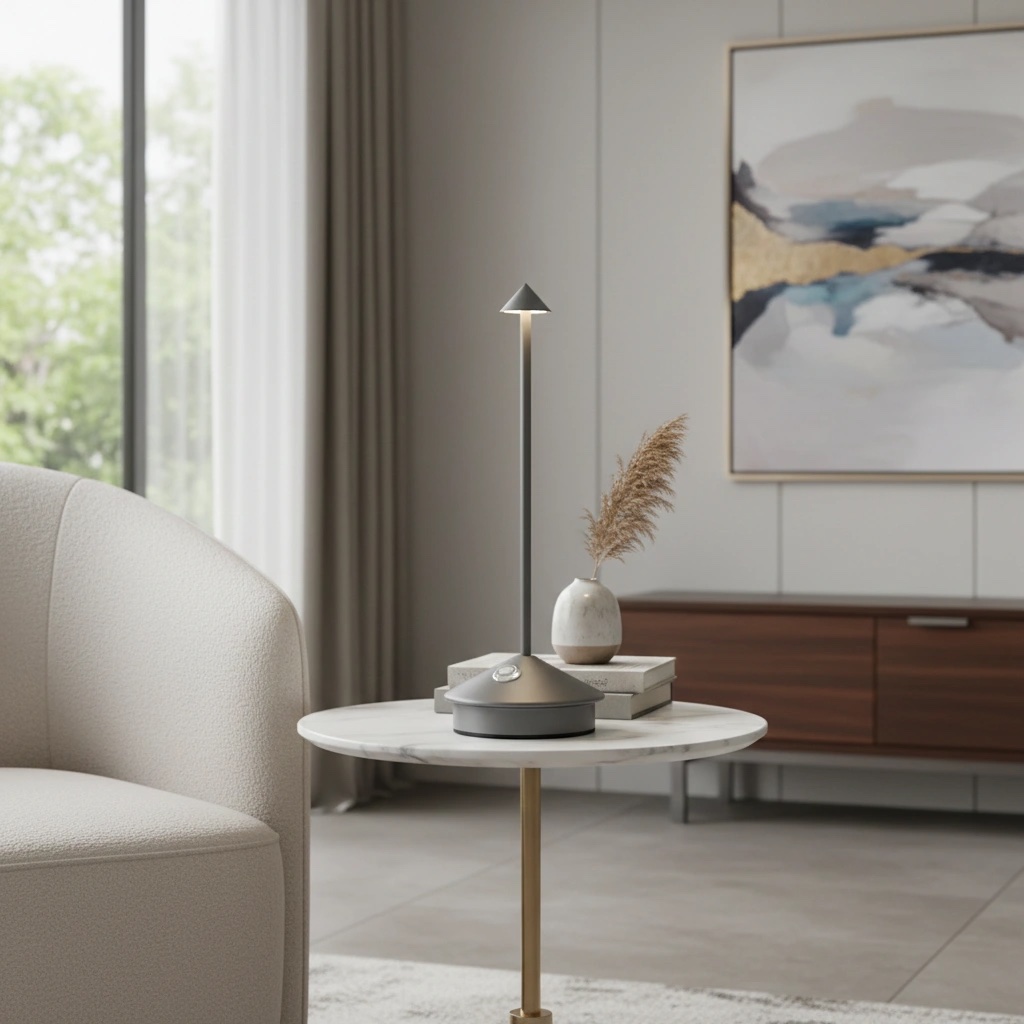
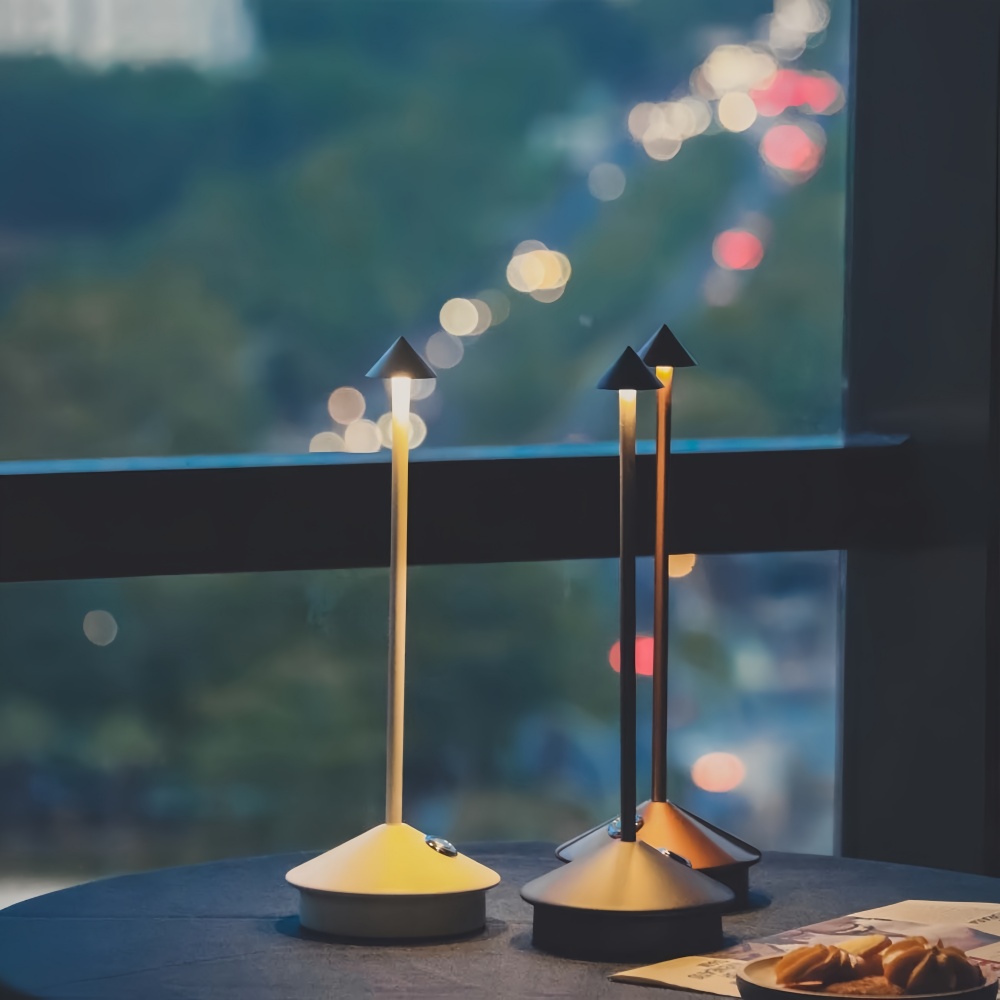
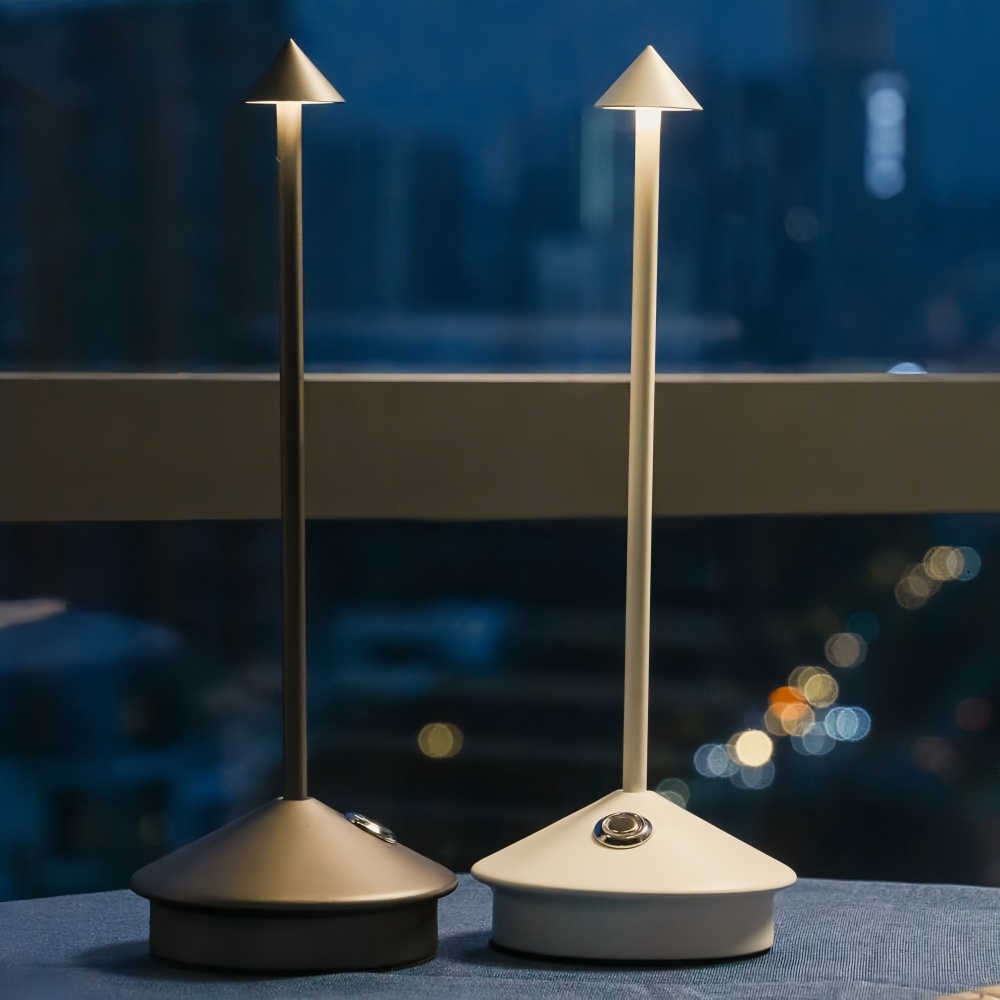
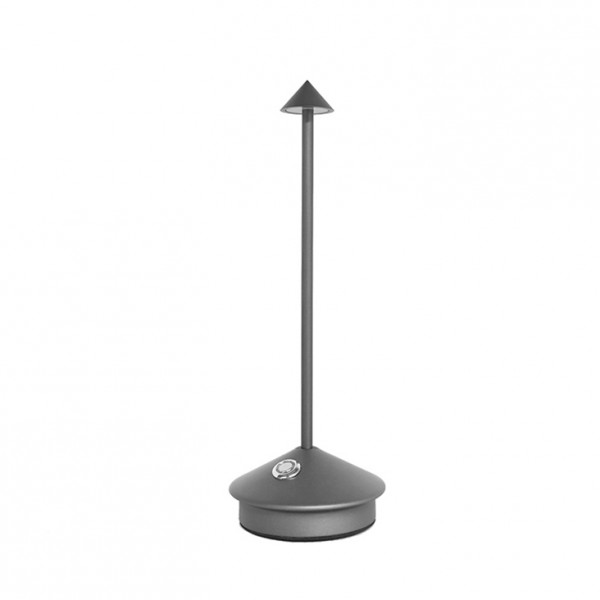
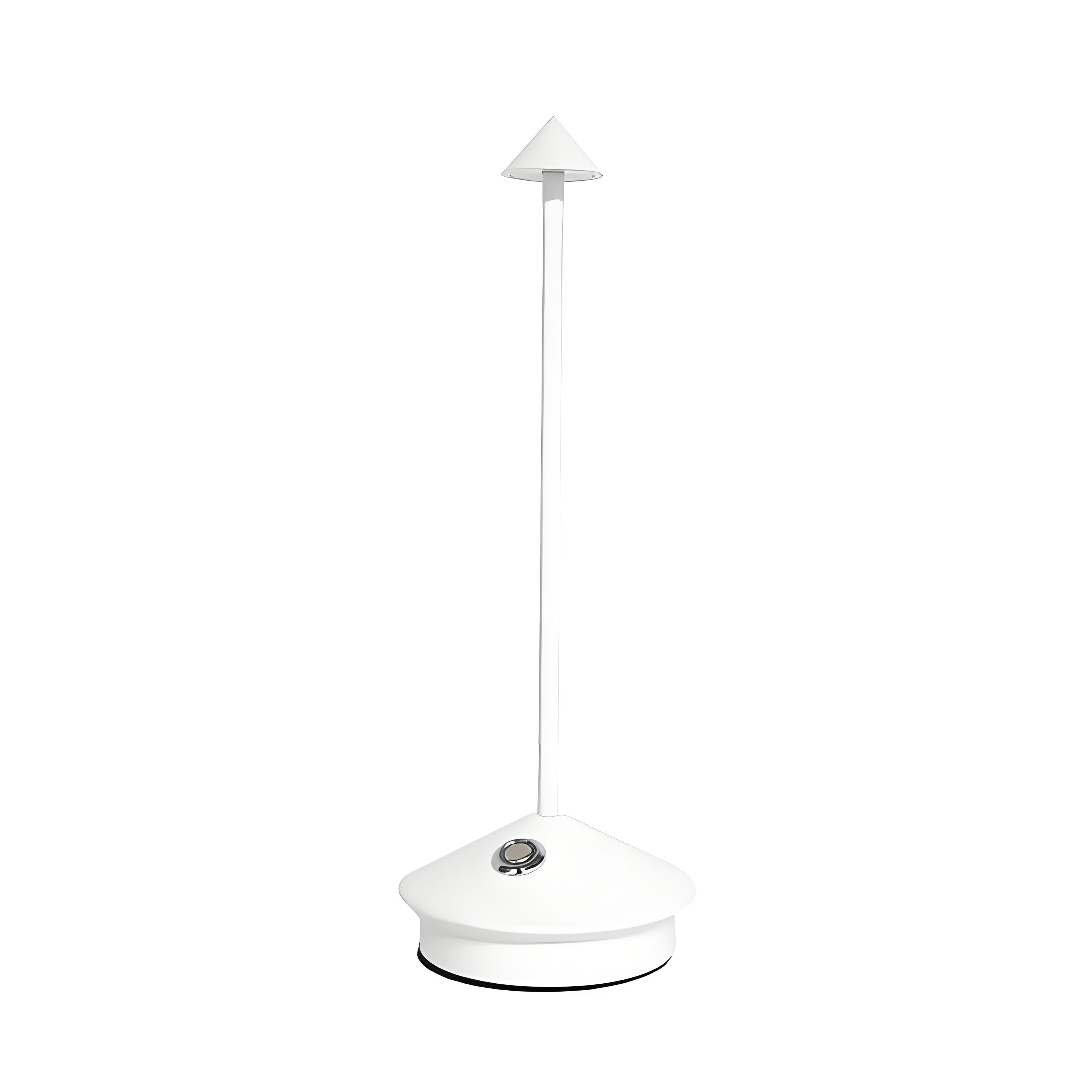
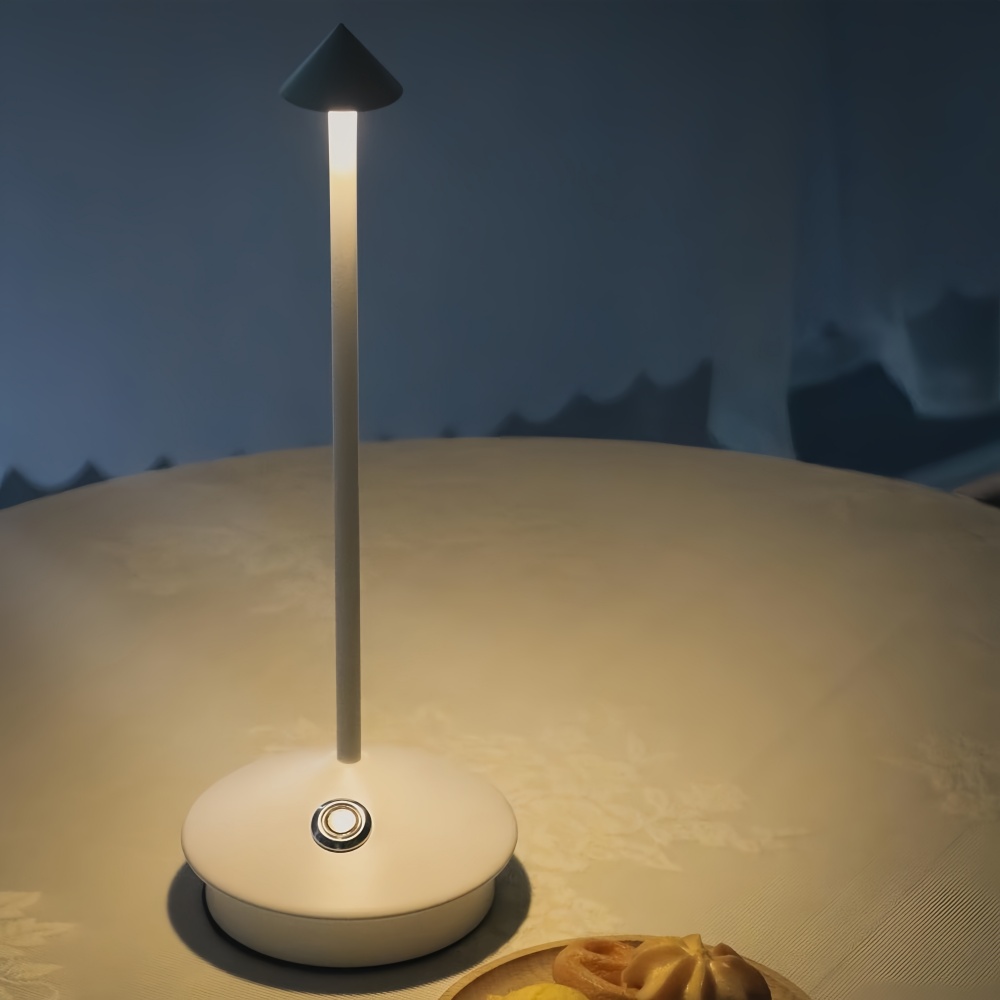
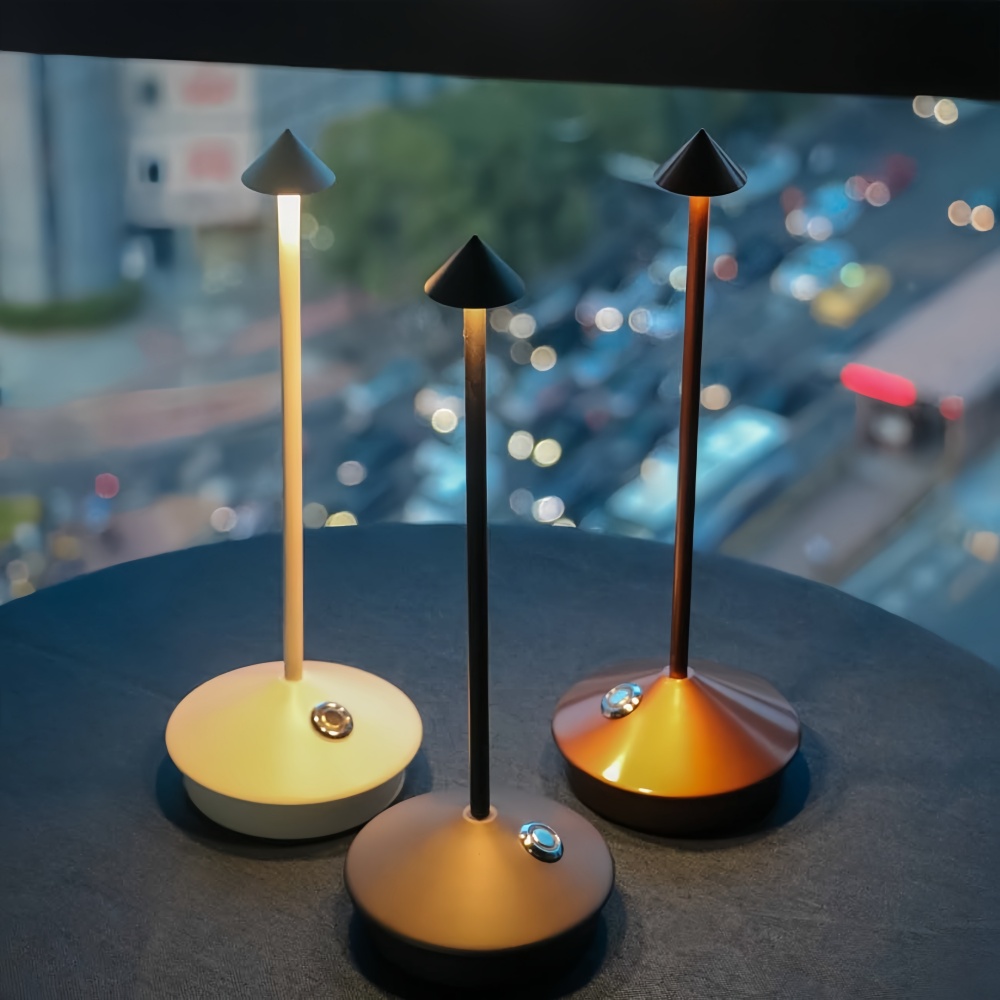
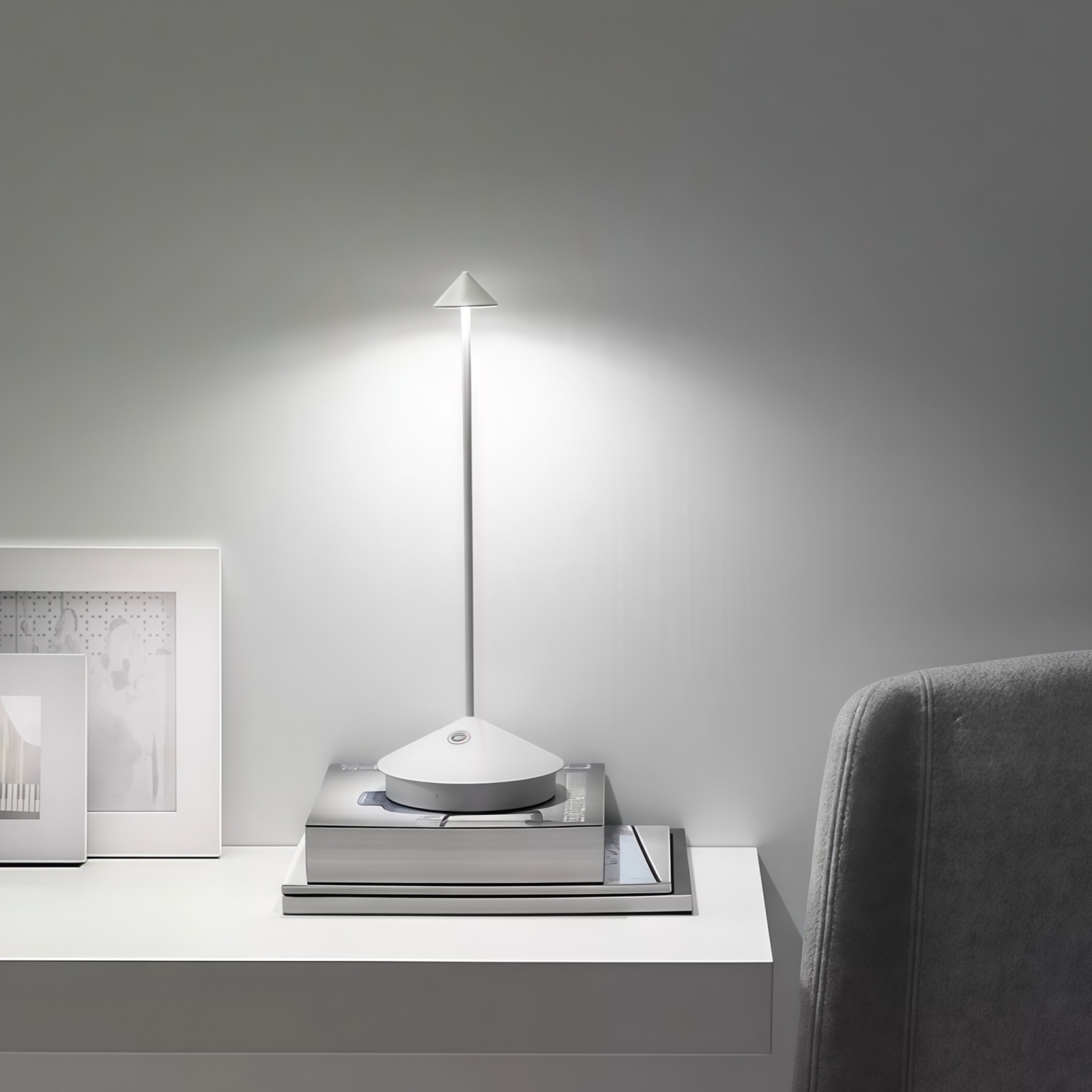
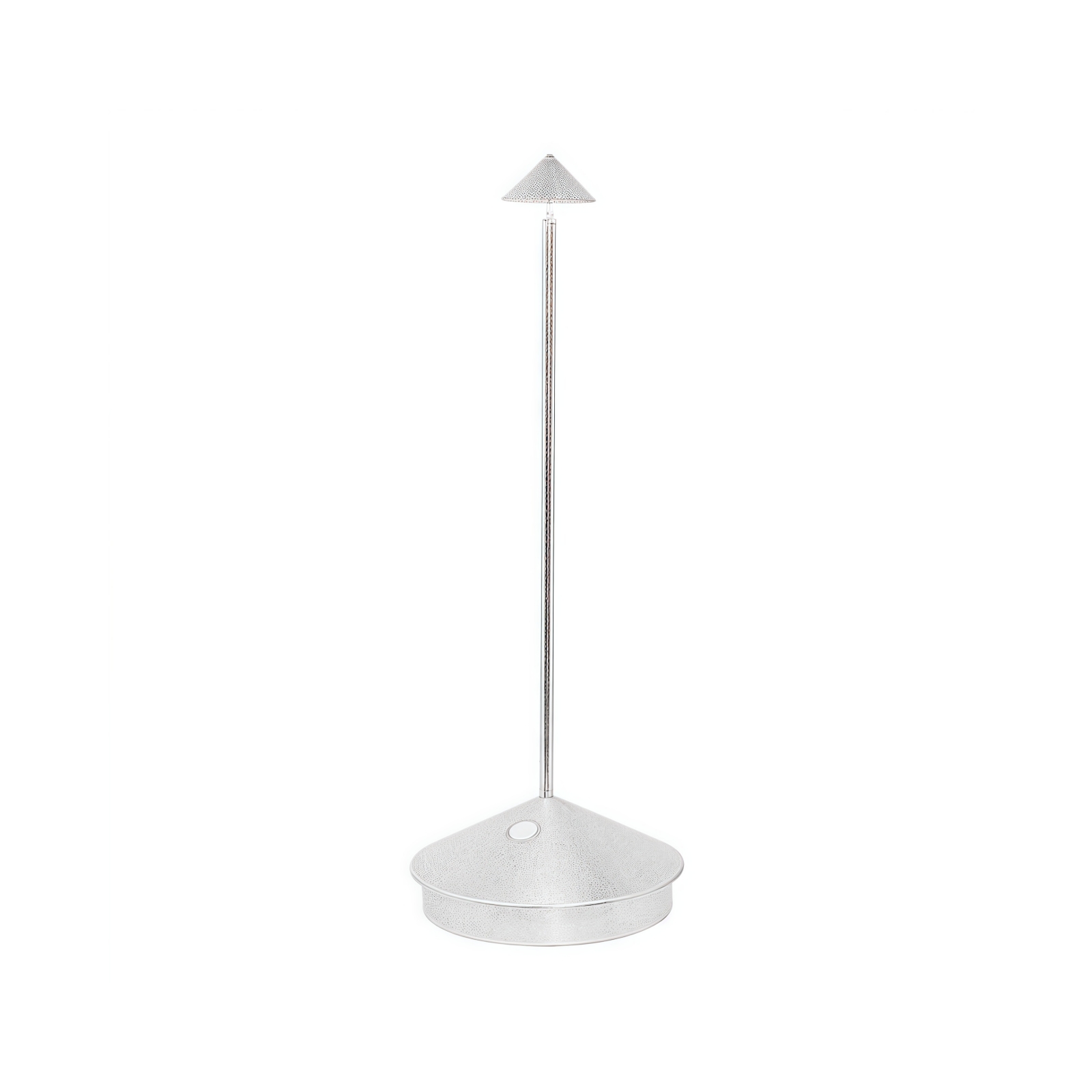
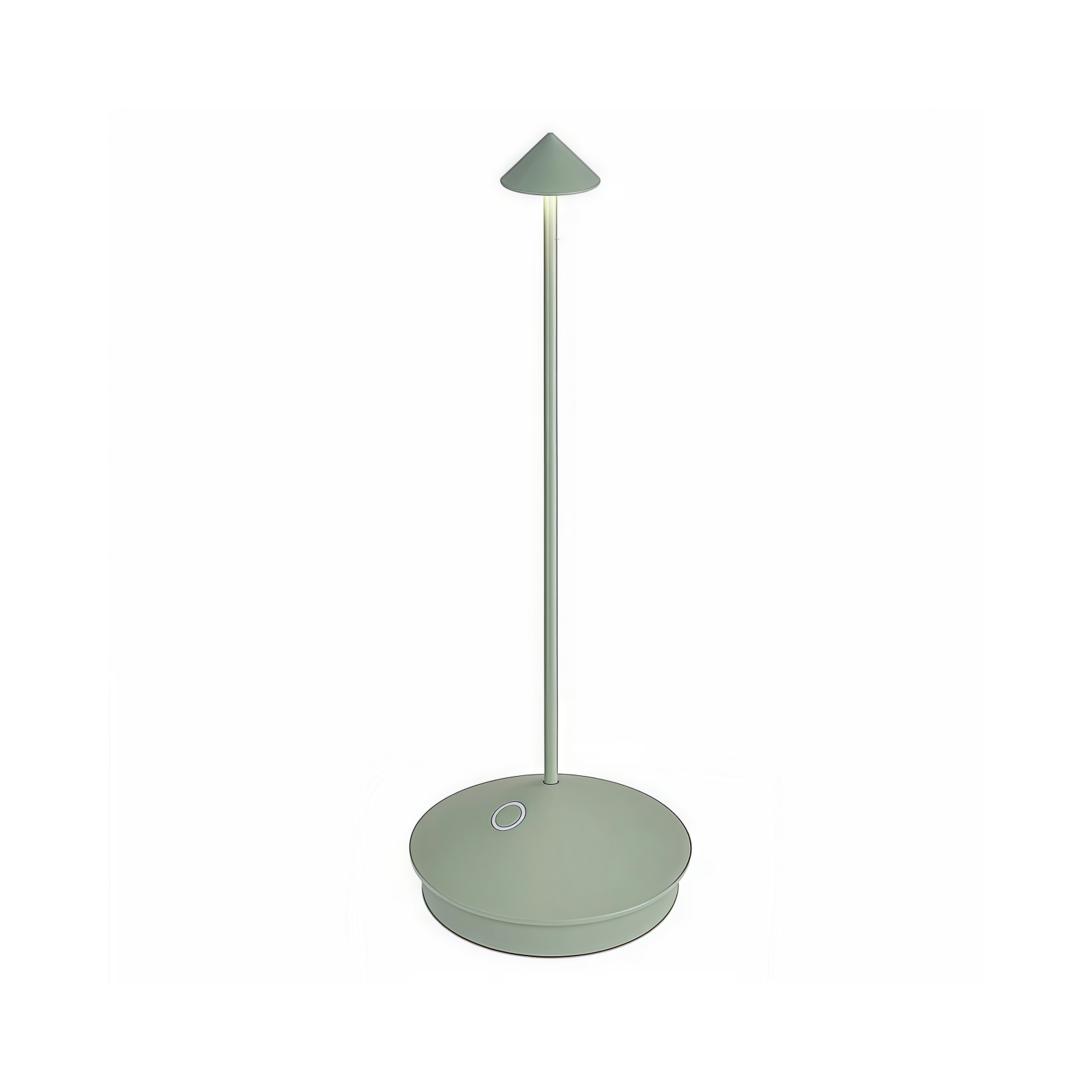
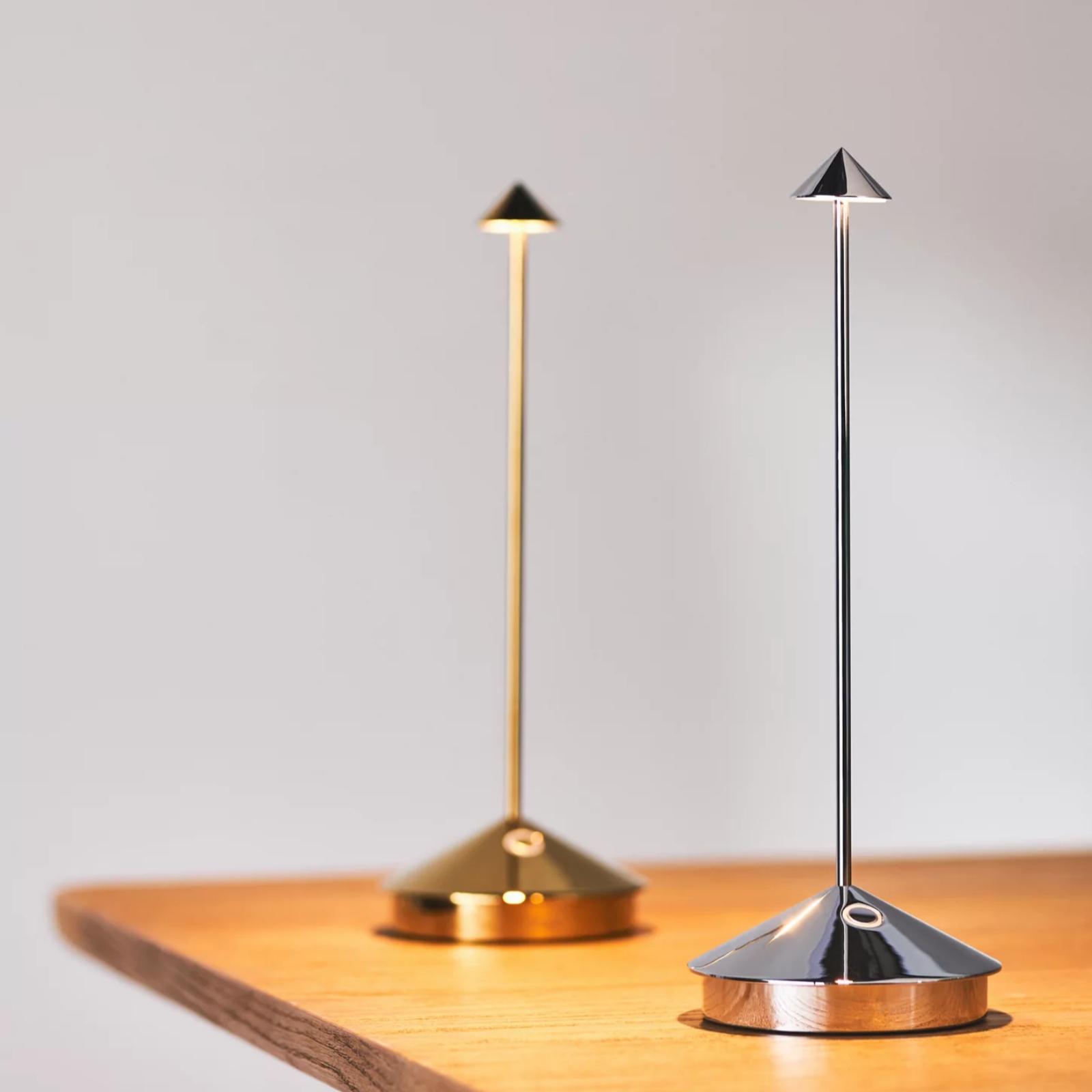
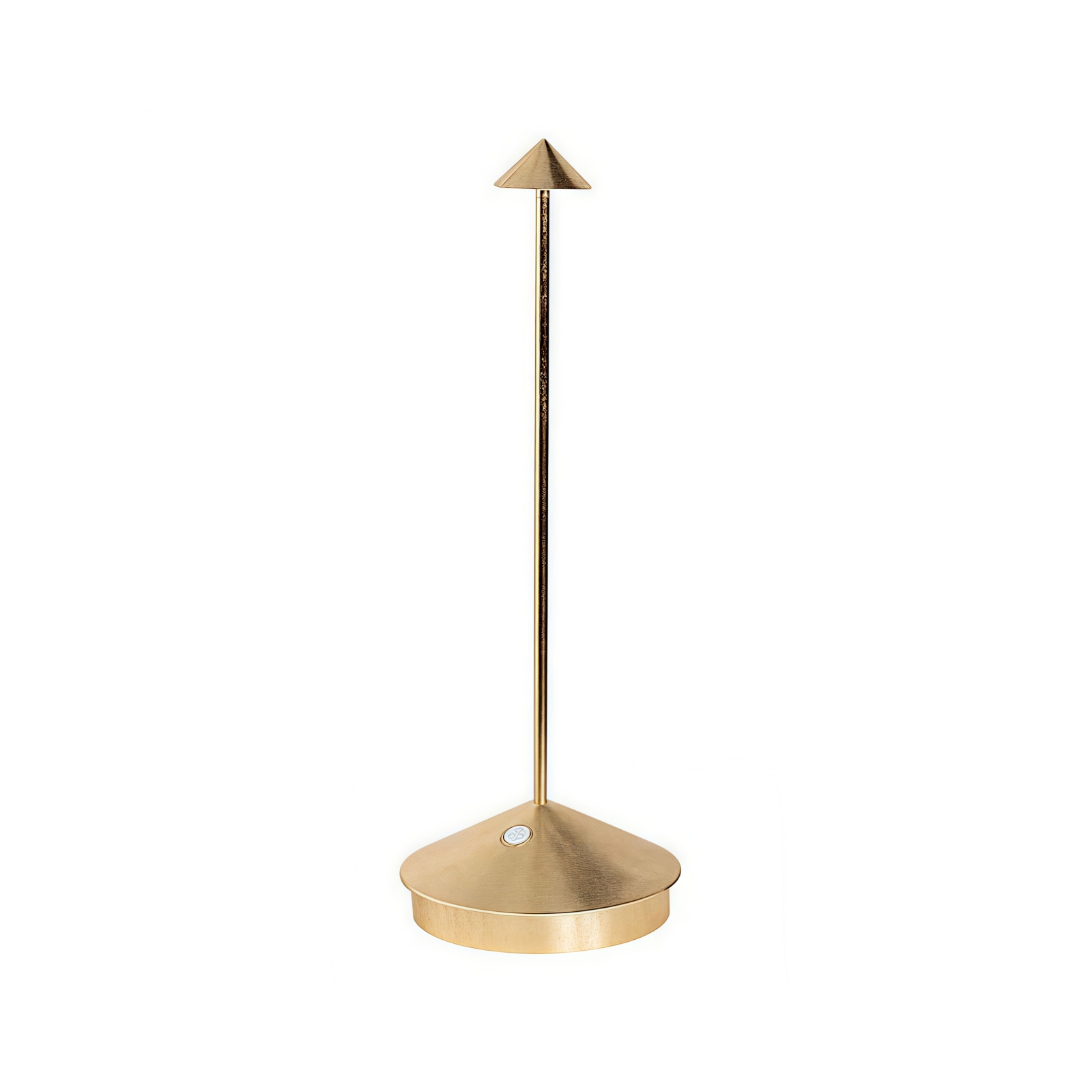
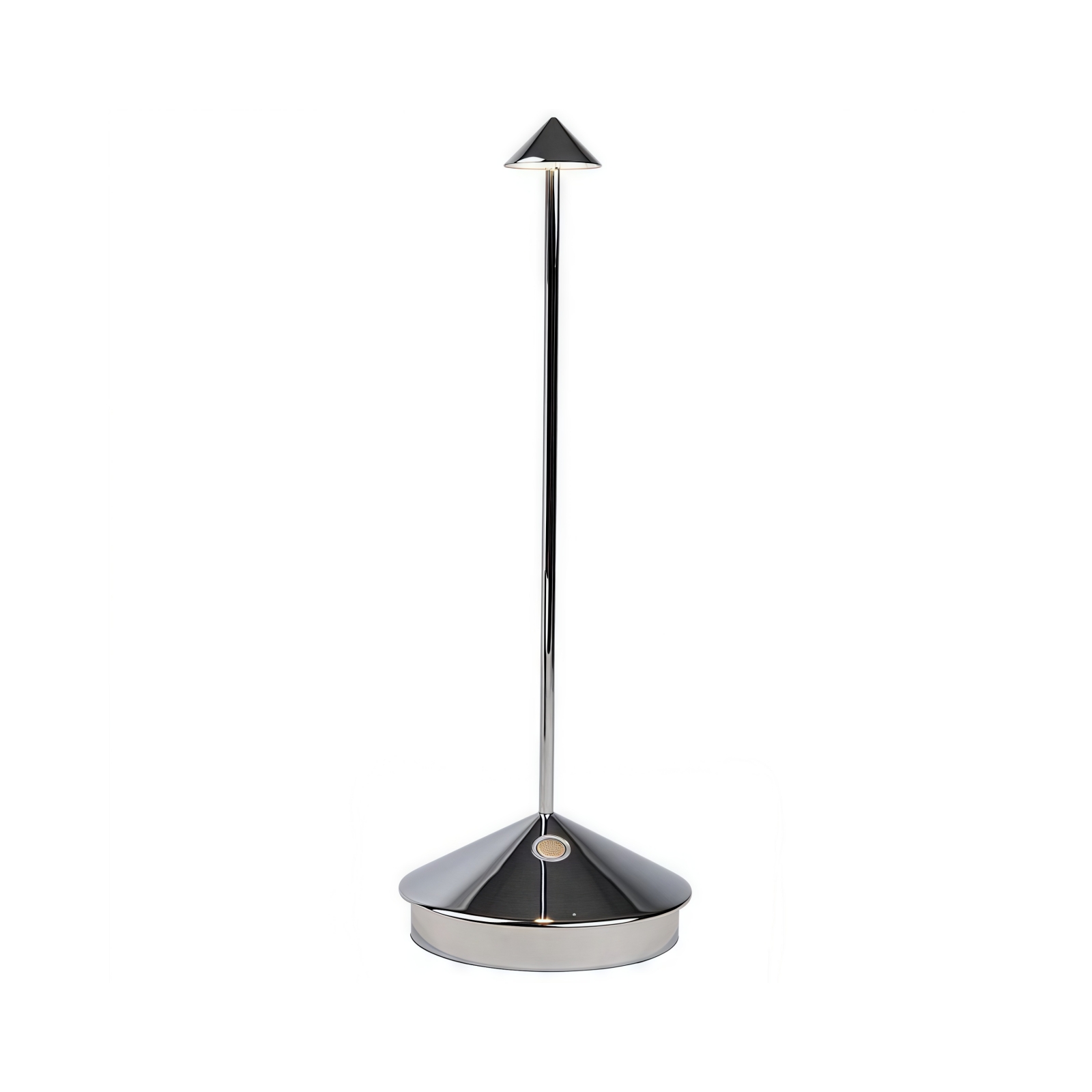
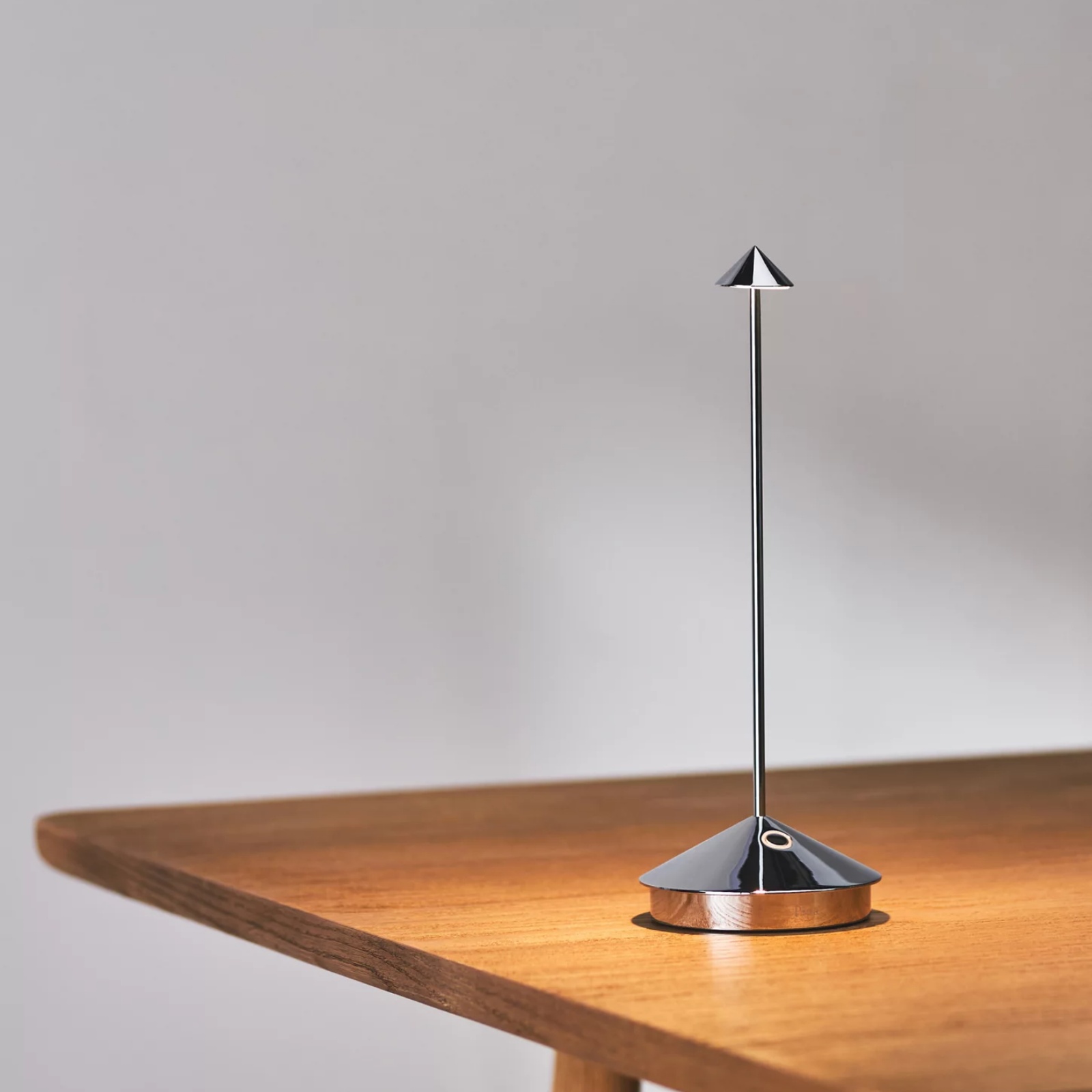
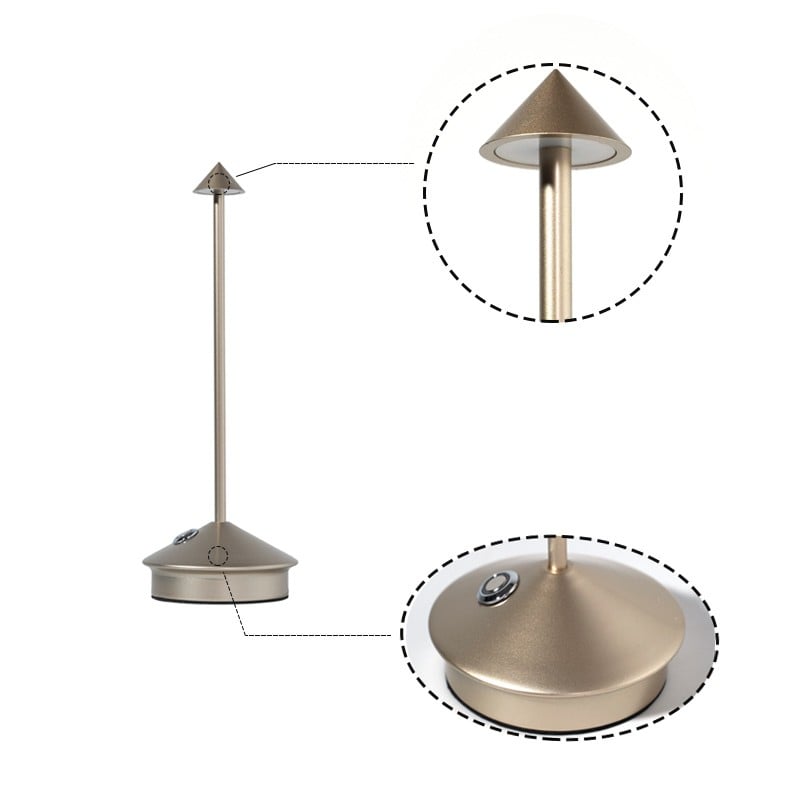
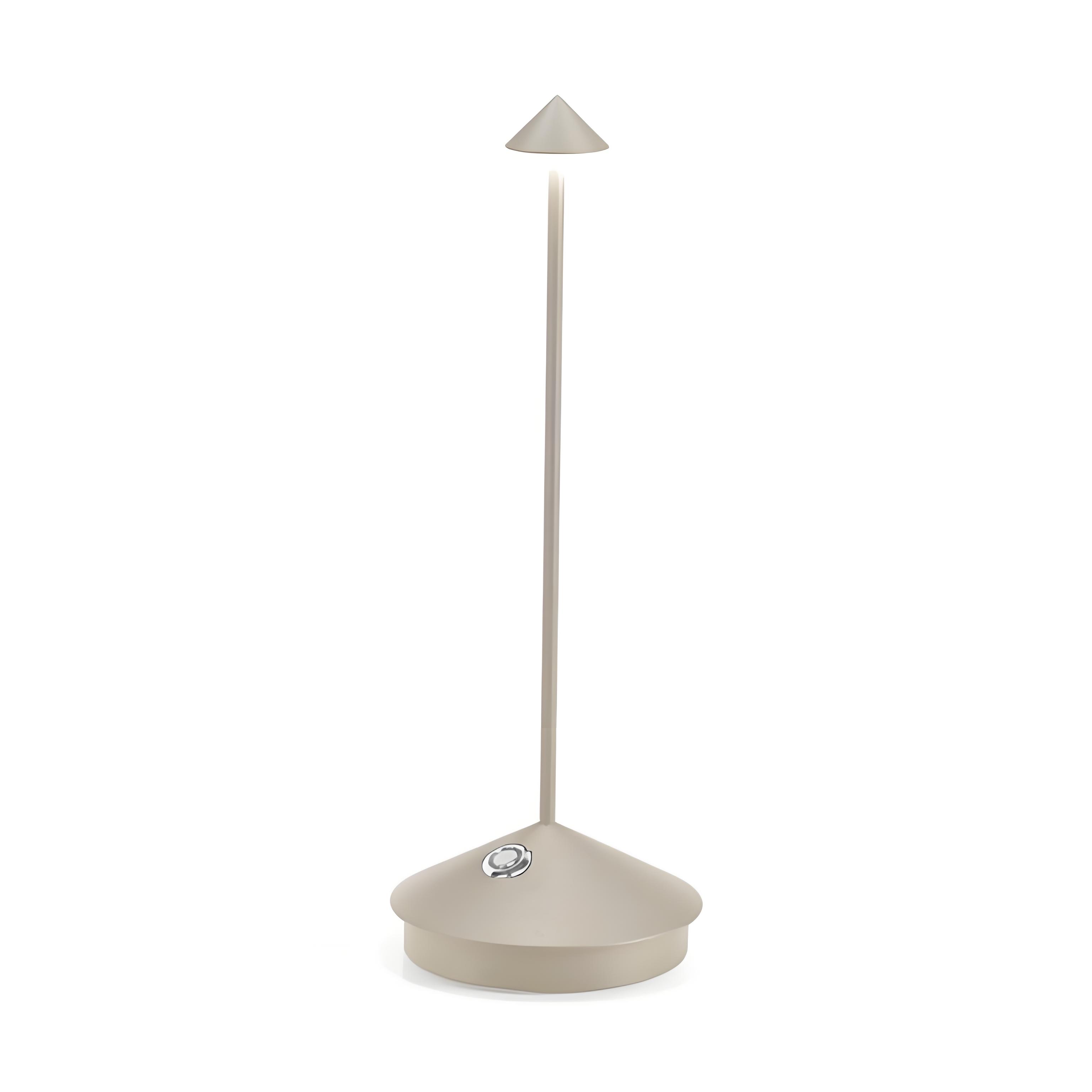
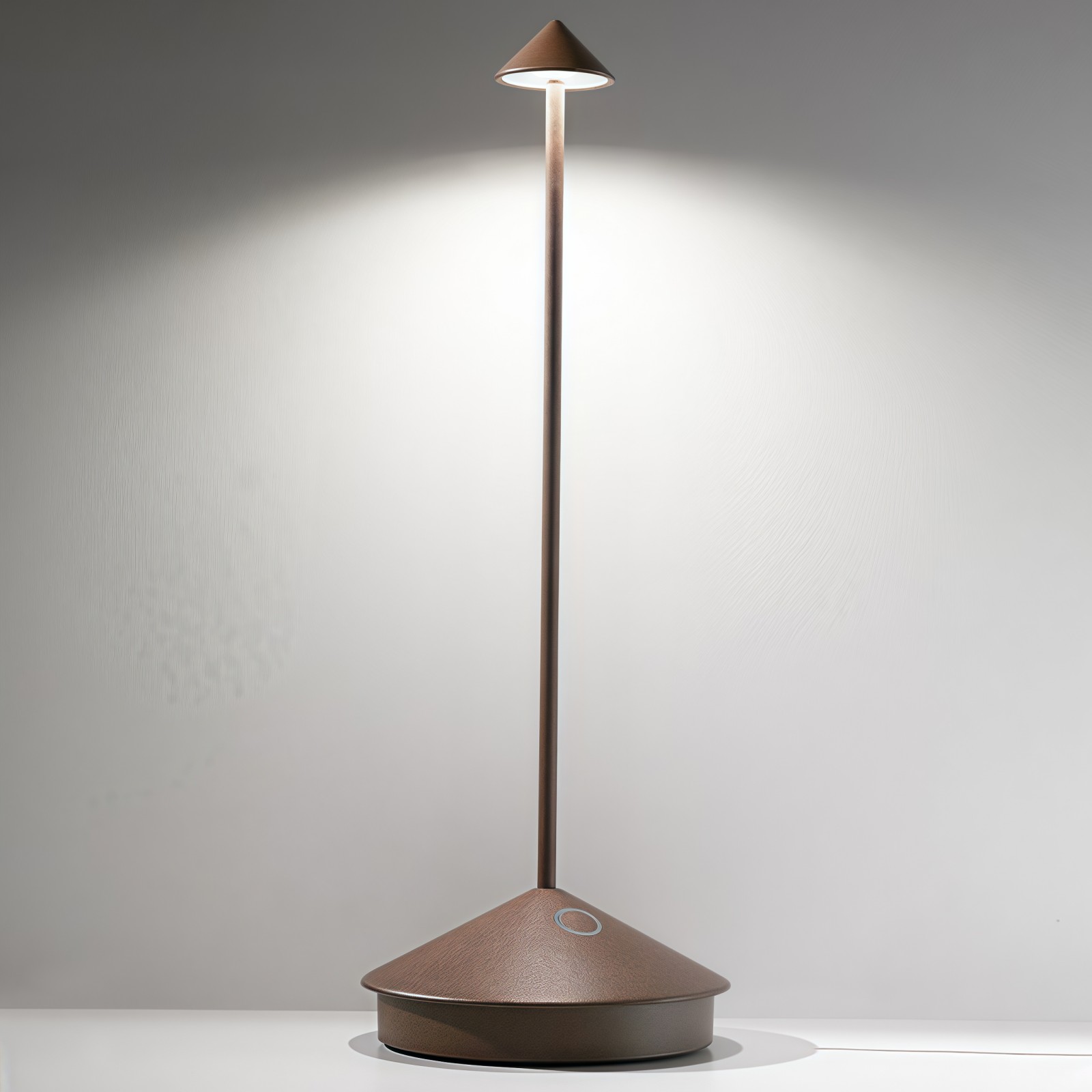
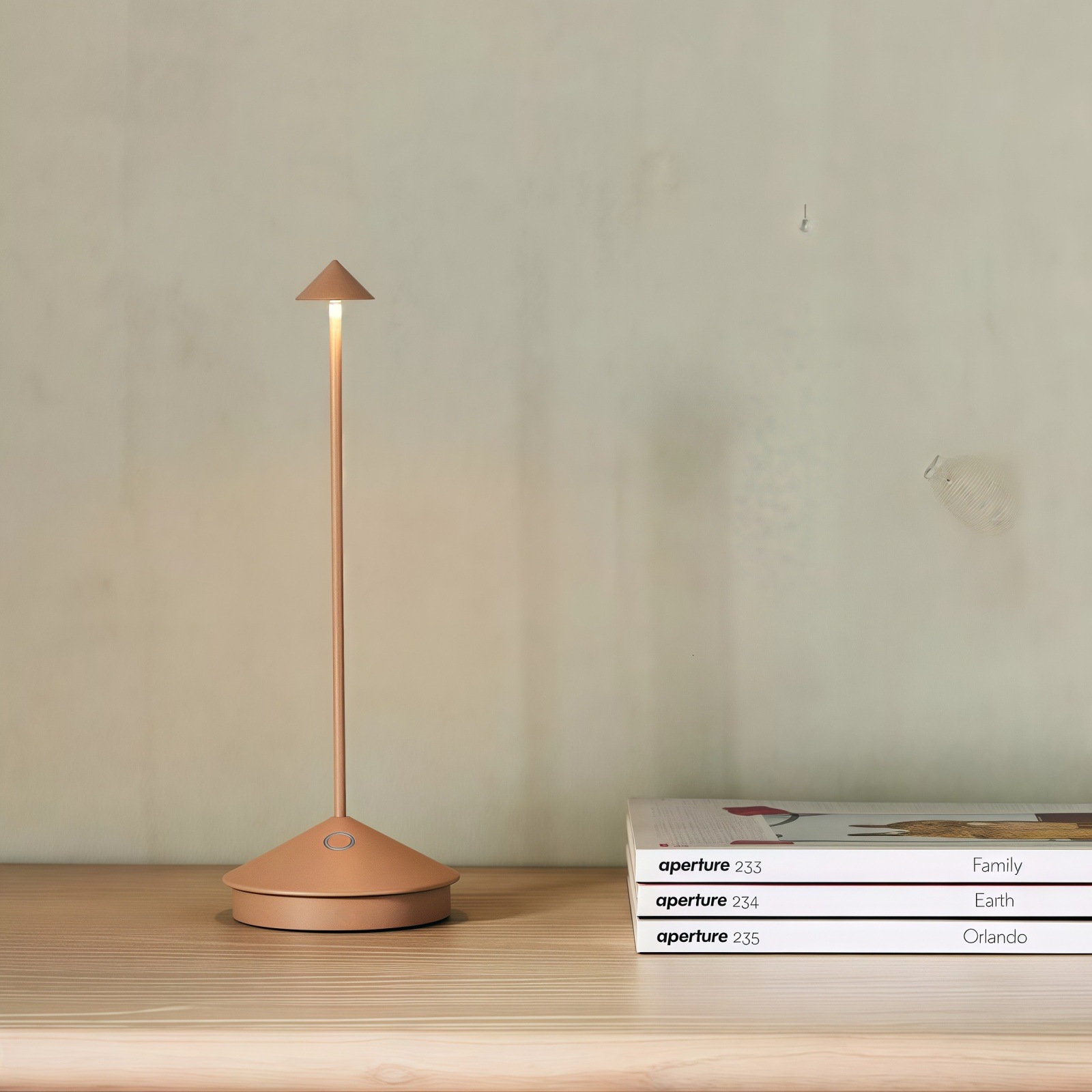
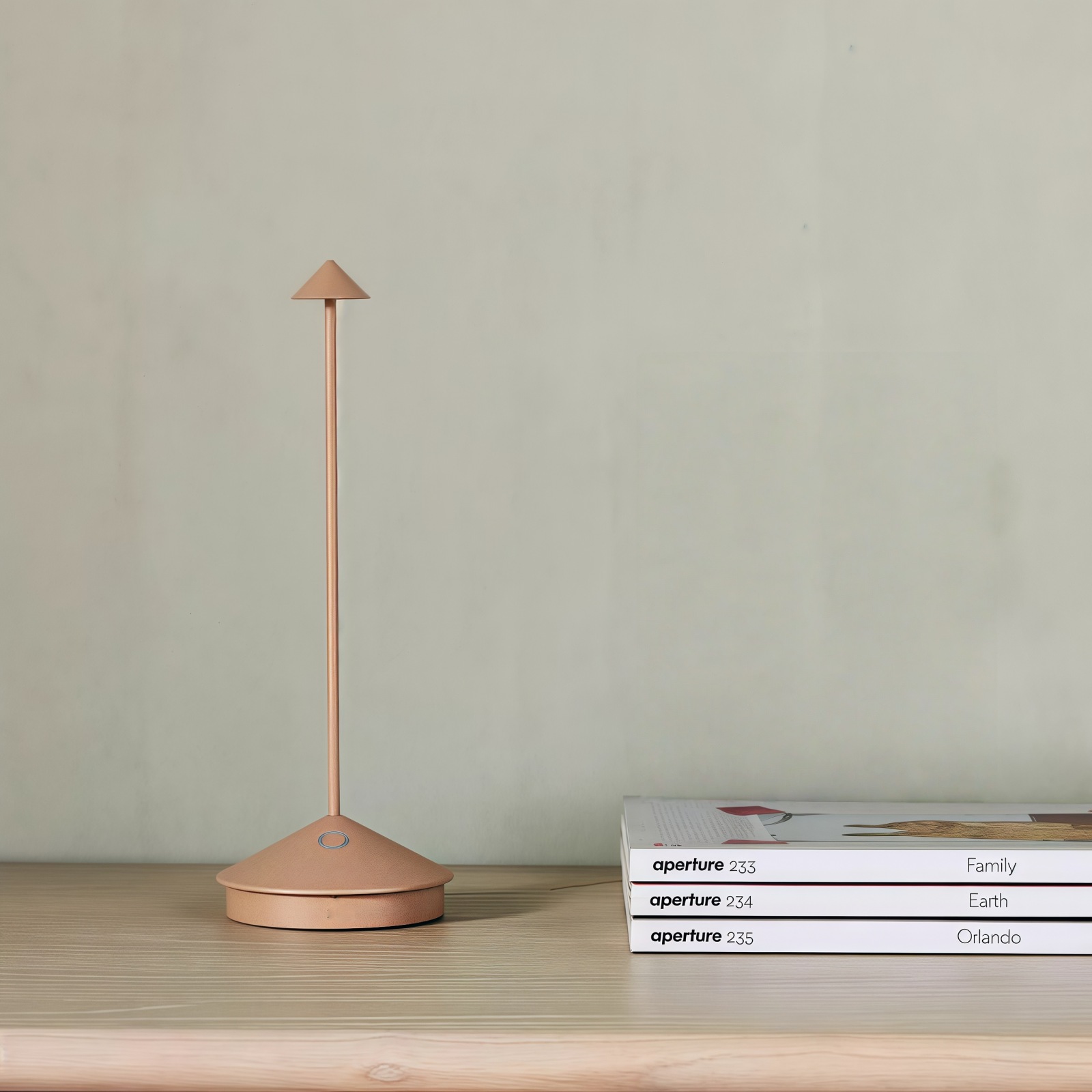
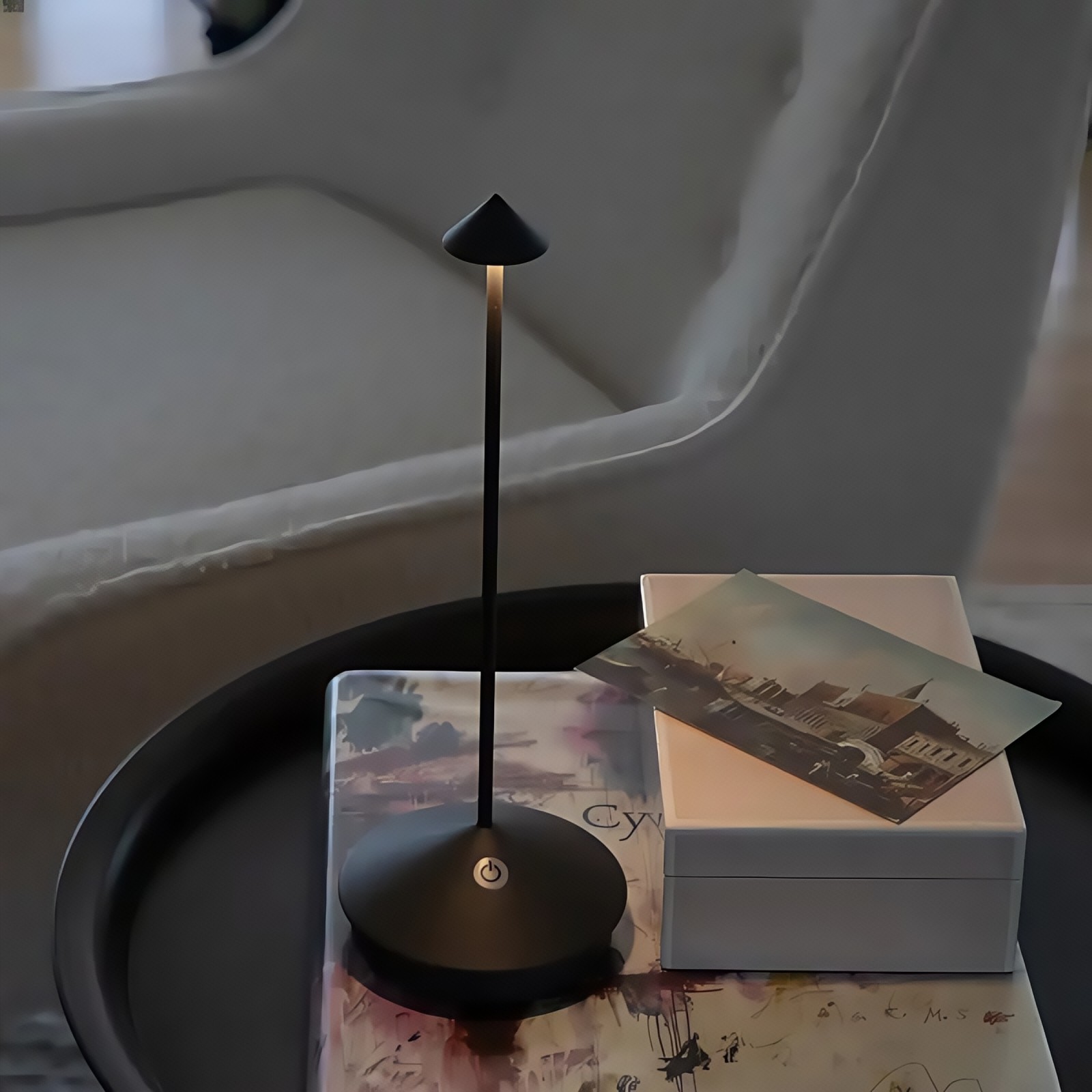
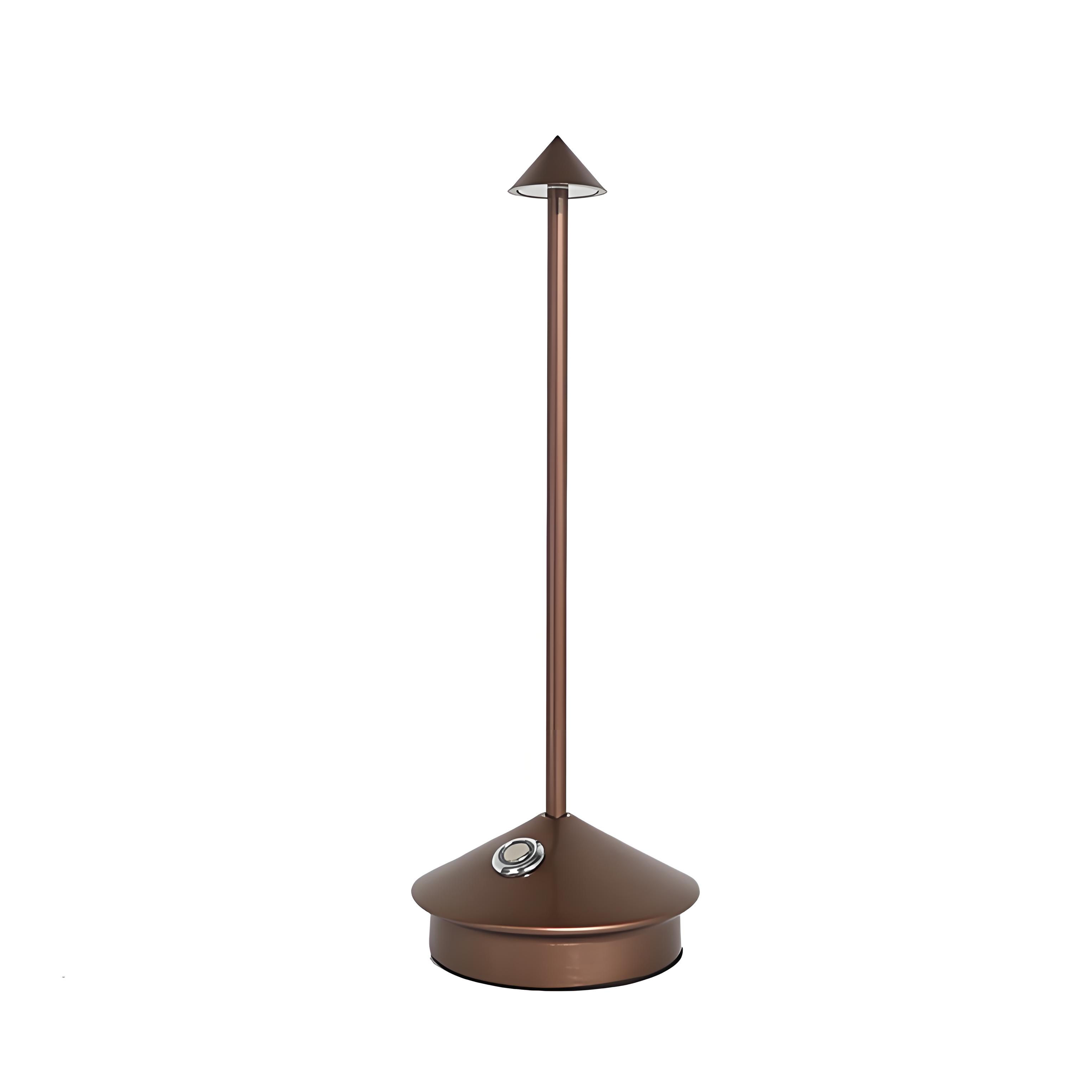
The Glimma Portable LED Lamp offers touch dimming, cordless rechargeable use and a warm 3000K glow. At 10.5 cm wide and 29 cm high, it can travel between coffee station, island and dining counter without dominating the surface.
Mood One: a soft landing for morning coffee
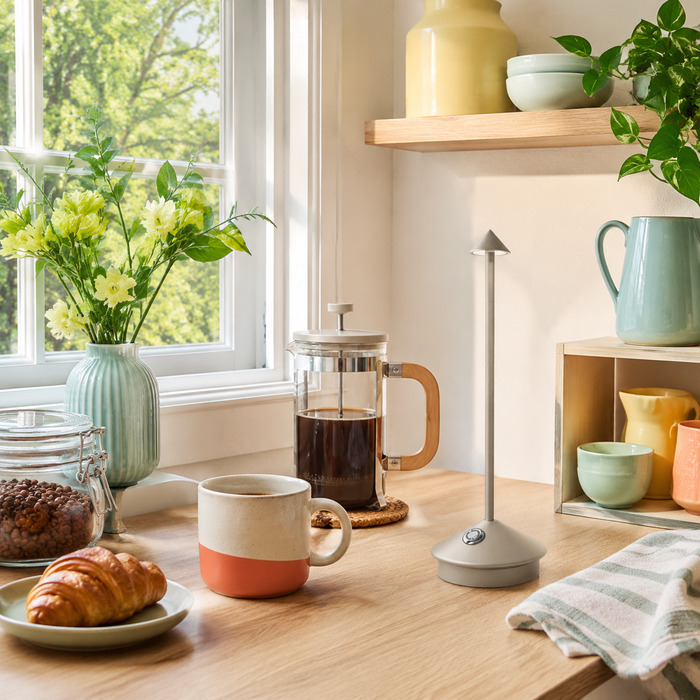
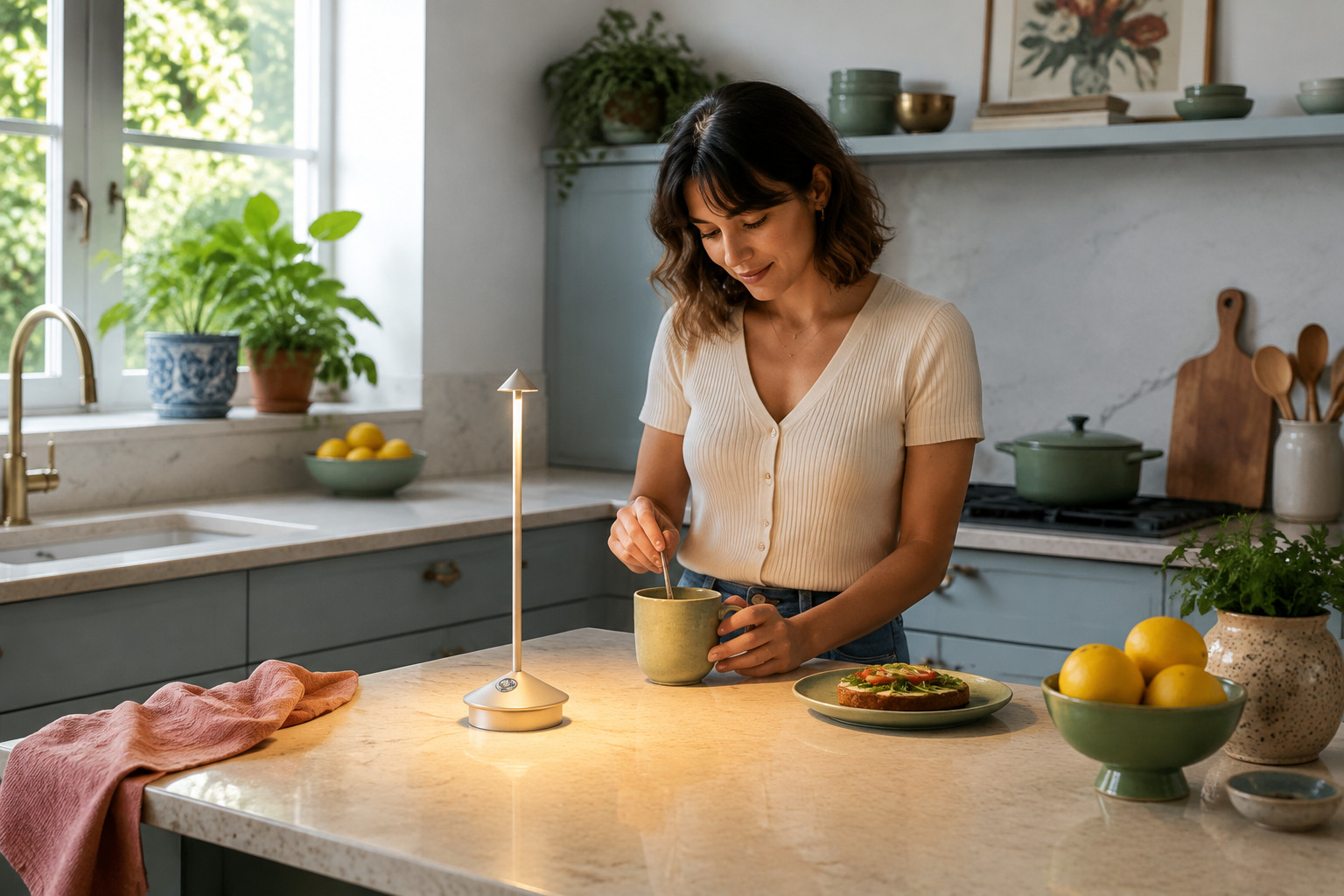
Early light should help the kitchen wake up without making it feel clinical. Place the lamp beside the coffee or tea station, not between you and the cupboard you reach for. Use a low-to-medium setting and allow daylight to take over naturally.
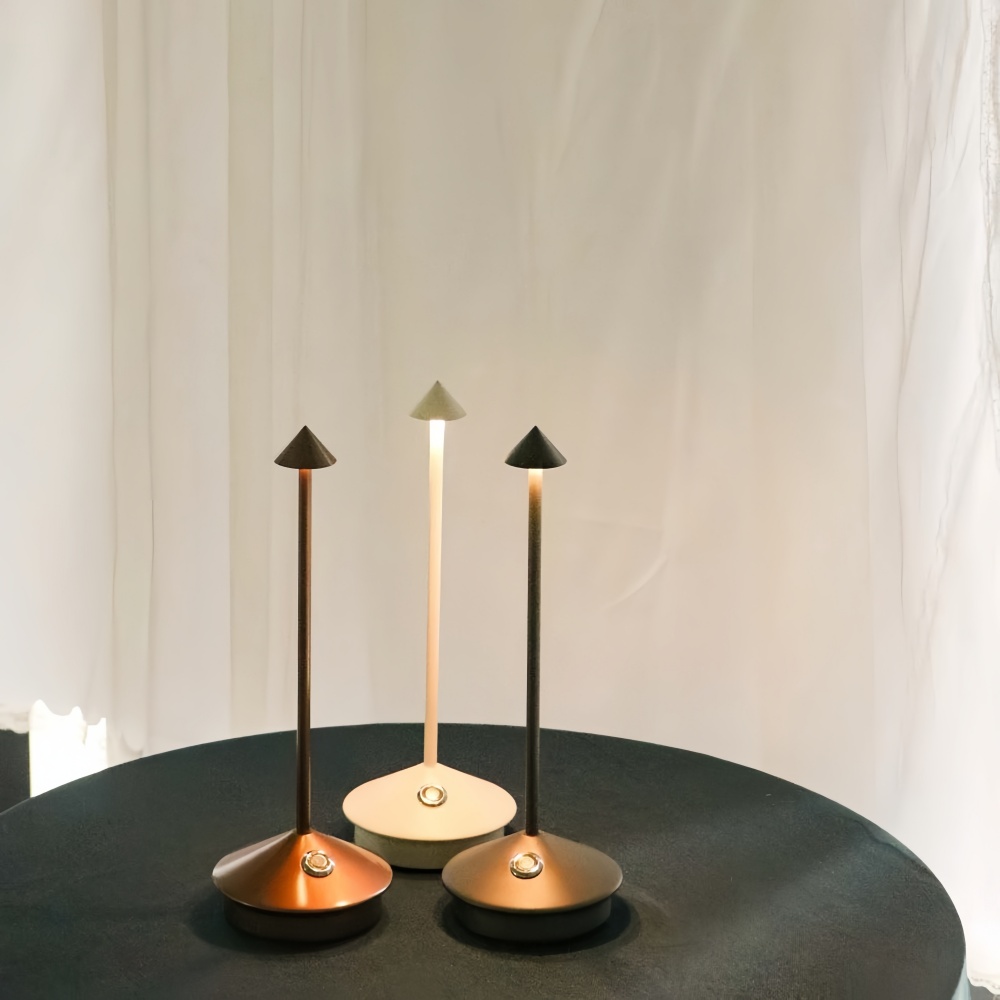
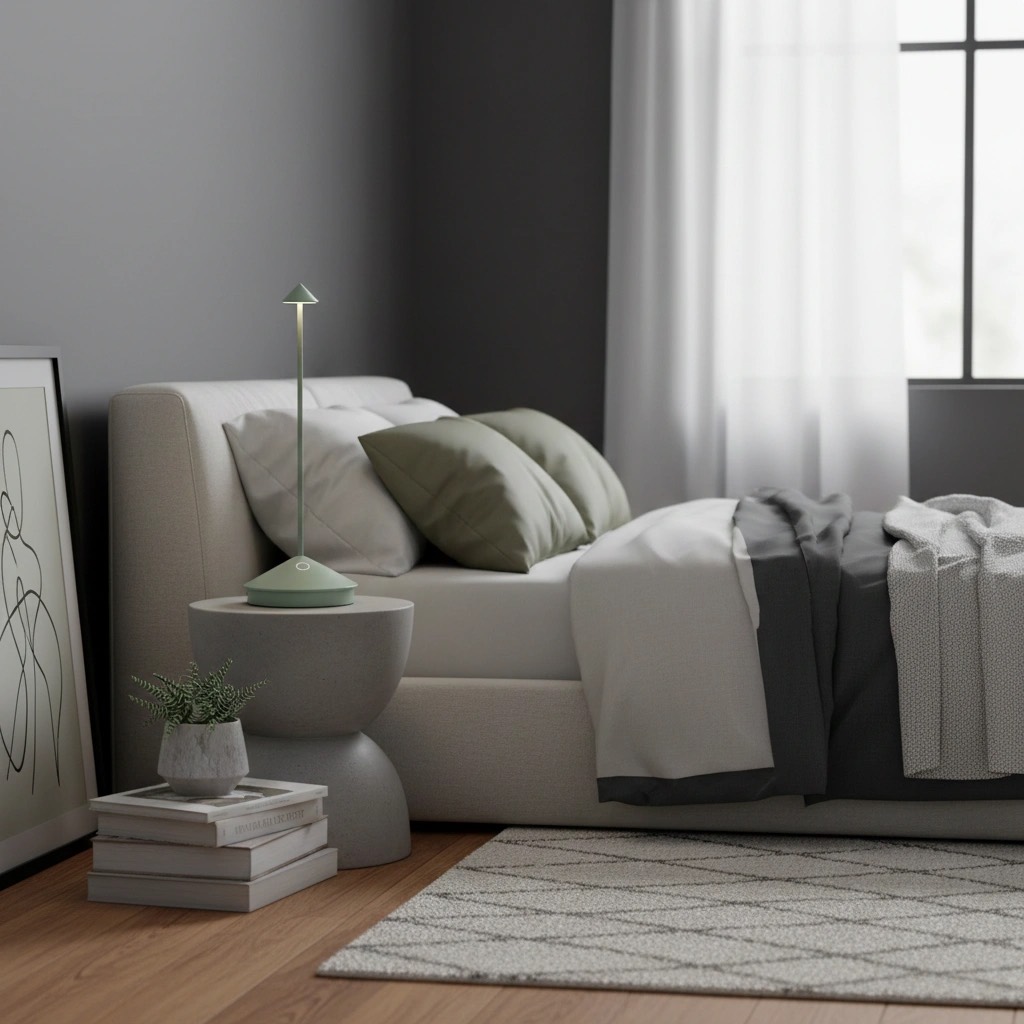
Build the scene around routine: one tray, the lamp and the objects used every morning. Avoid adding decorative clutter that must be moved before making coffee. A sand, white or sage finish can sit calmly with pale kitchens, while chrome offers a crisp reflection in a more modern space.
Best for: slow breakfasts, cloudy mornings and households where one person wakes before everyone else. Avoid: relying on the lamp while handling knives or hot pans.
Mood Two: an afternoon counter that feels alive
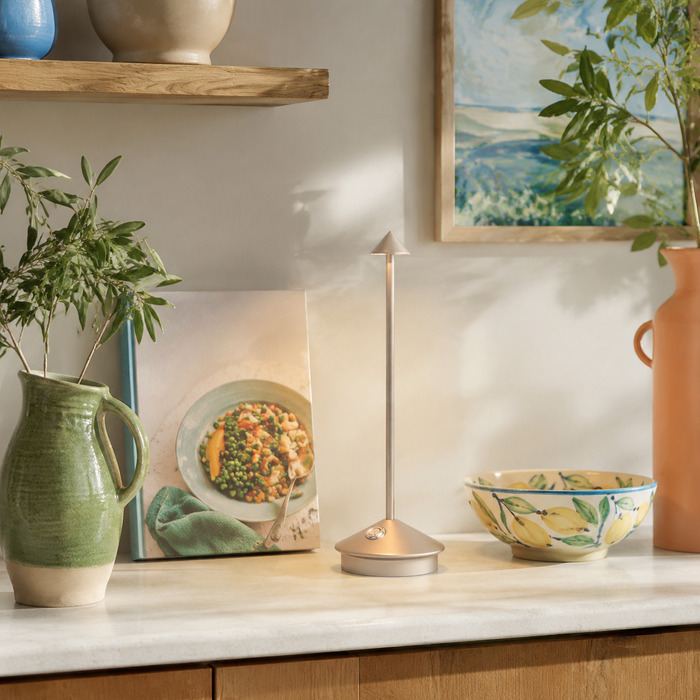
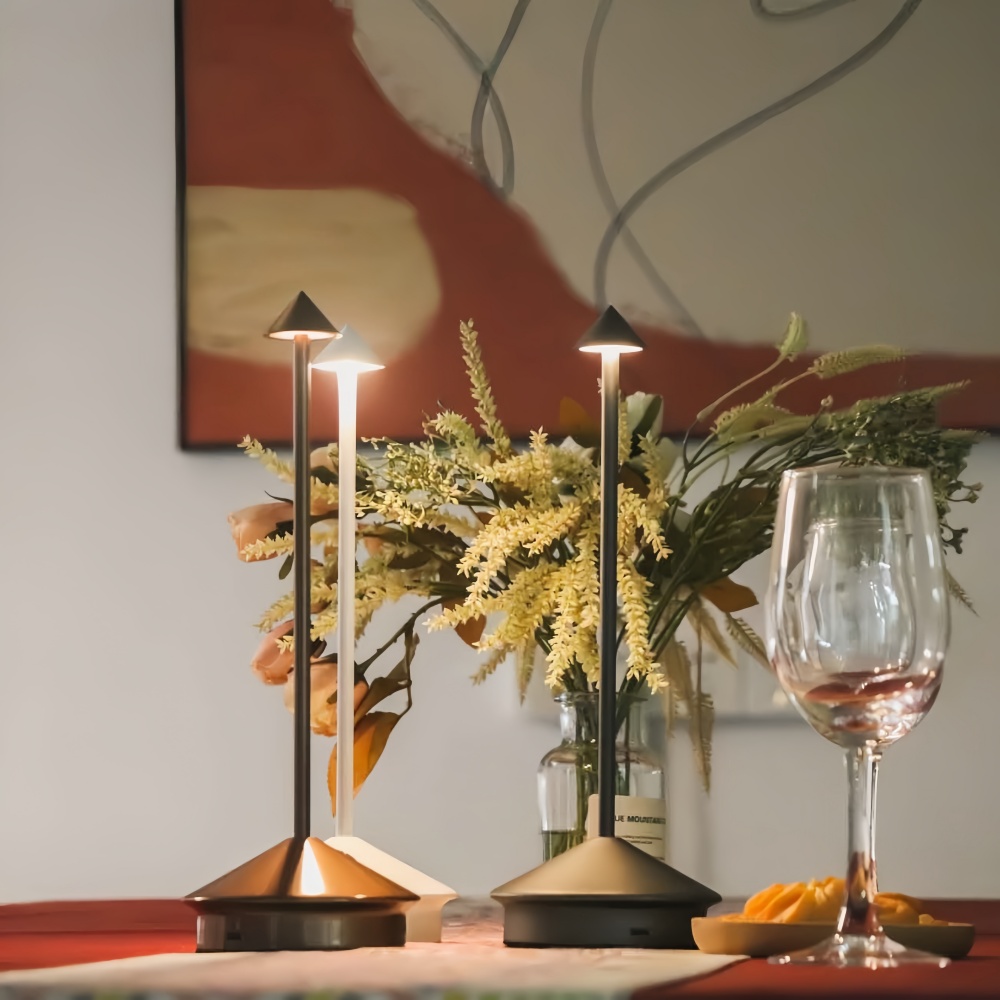
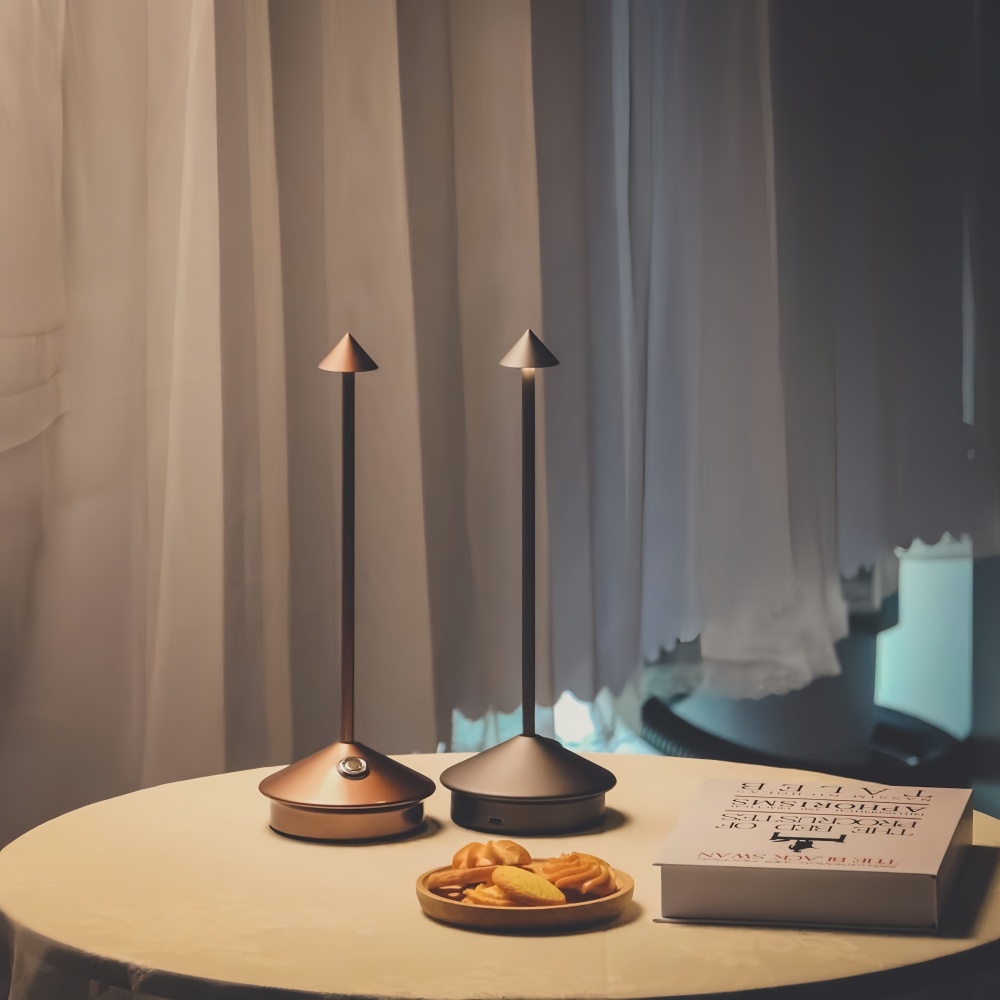
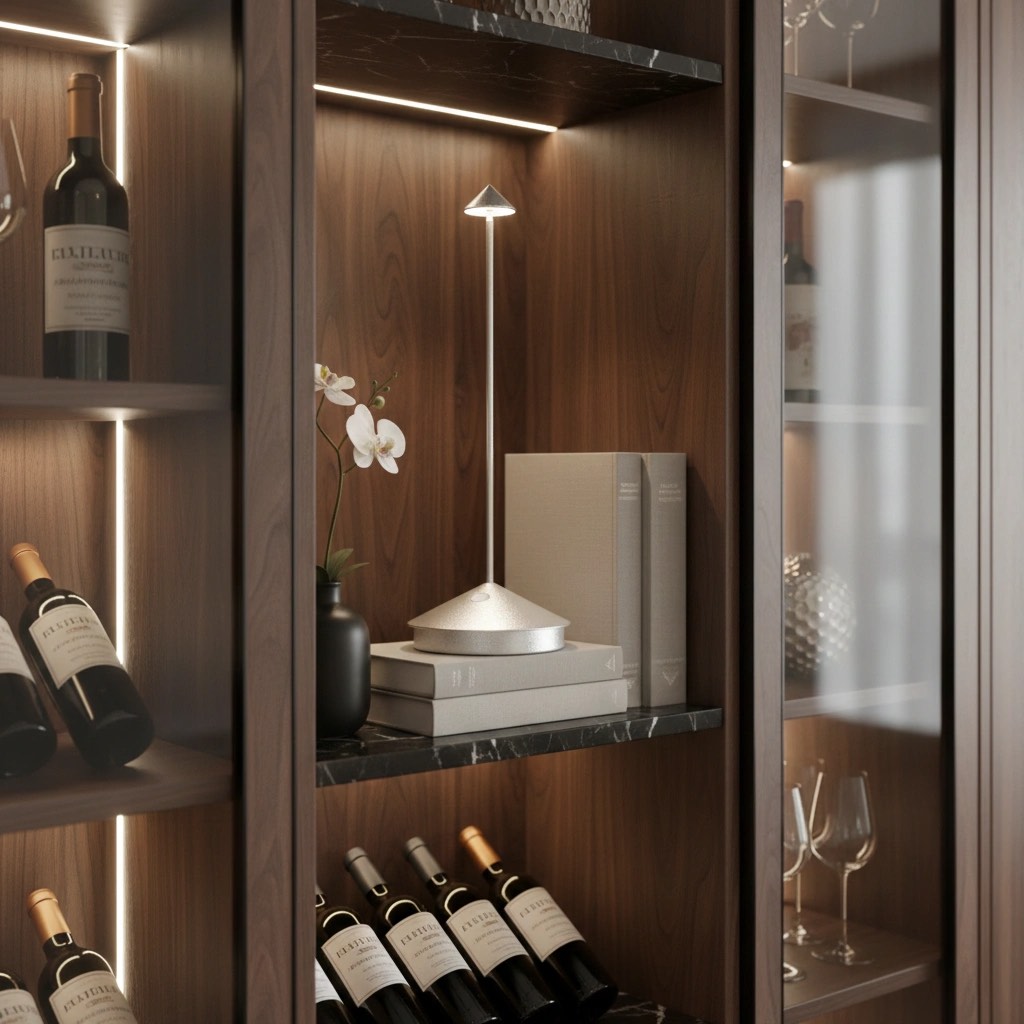
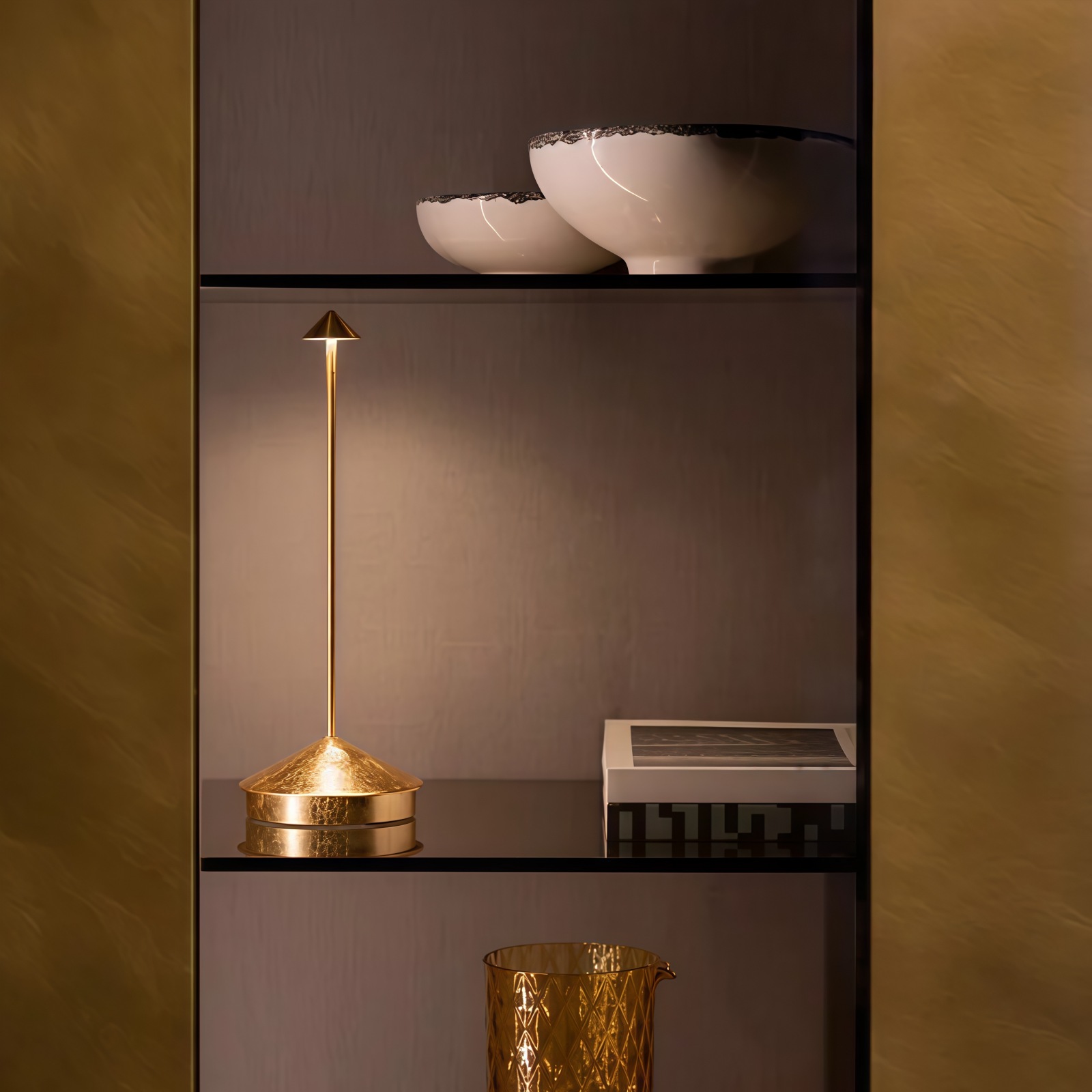
During the day, the lamp may contribute more shape than illumination. Move it to an open shelf or unused counter corner where its silhouette completes the composition. If the kitchen has a dark recess, switch it on at medium brightness to give the corner depth.
This is a useful moment for practical styling. Pair the lamp with one taller and one lower object, leaving clear empty space around the group. The arrangement should survive a normal day without blocking sockets, cabinet doors or preparation space.
The broader design trend behind this move appears in The Restaurant Glow Comes Home: Why Tiny Table Lamps Are Everywhere, which explains why local pools of light are replacing one-size-fits-all room lighting.
Mood Three: the kitchen becomes the dinner room
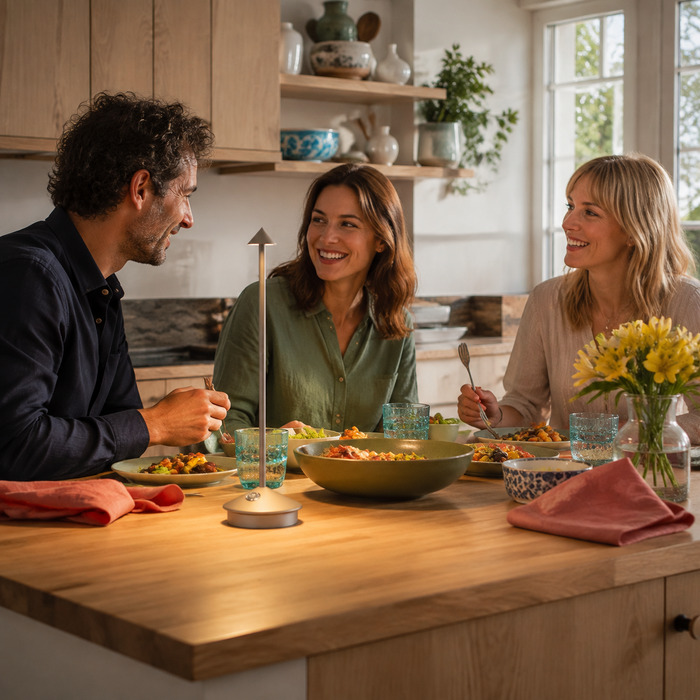
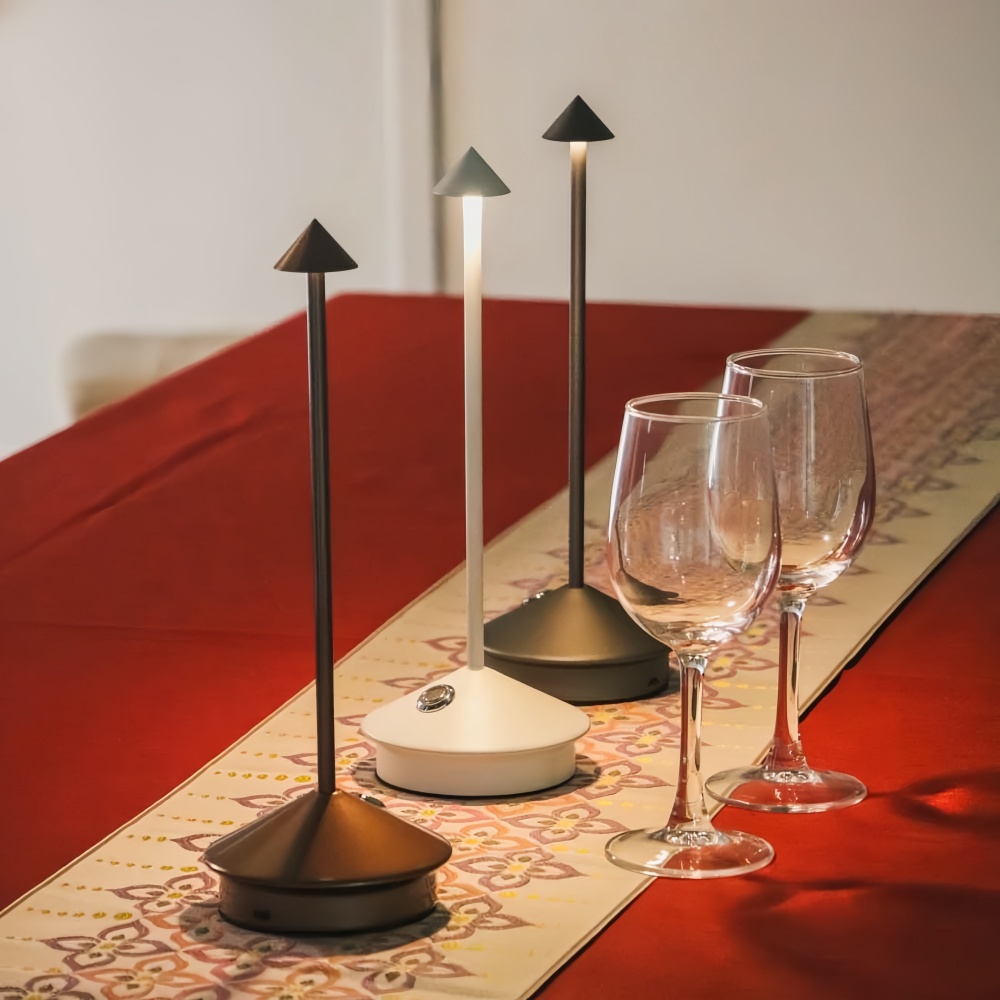
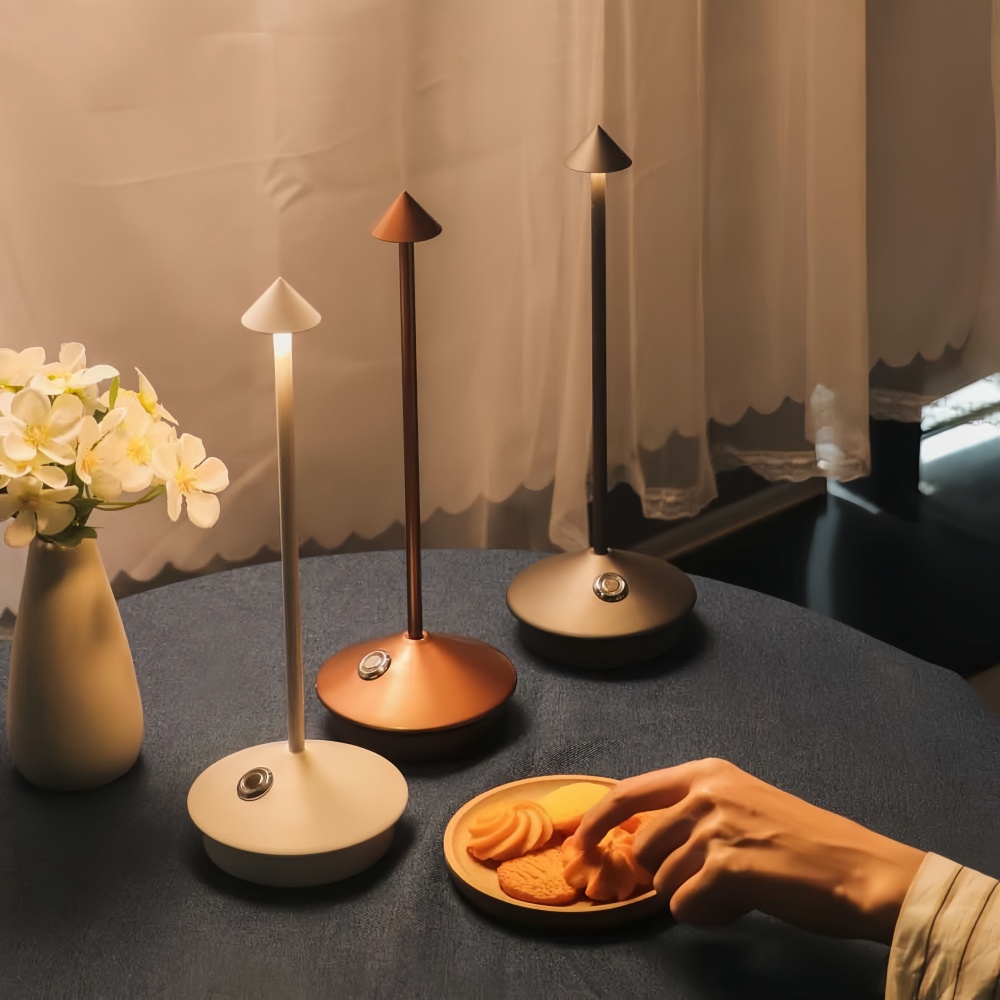
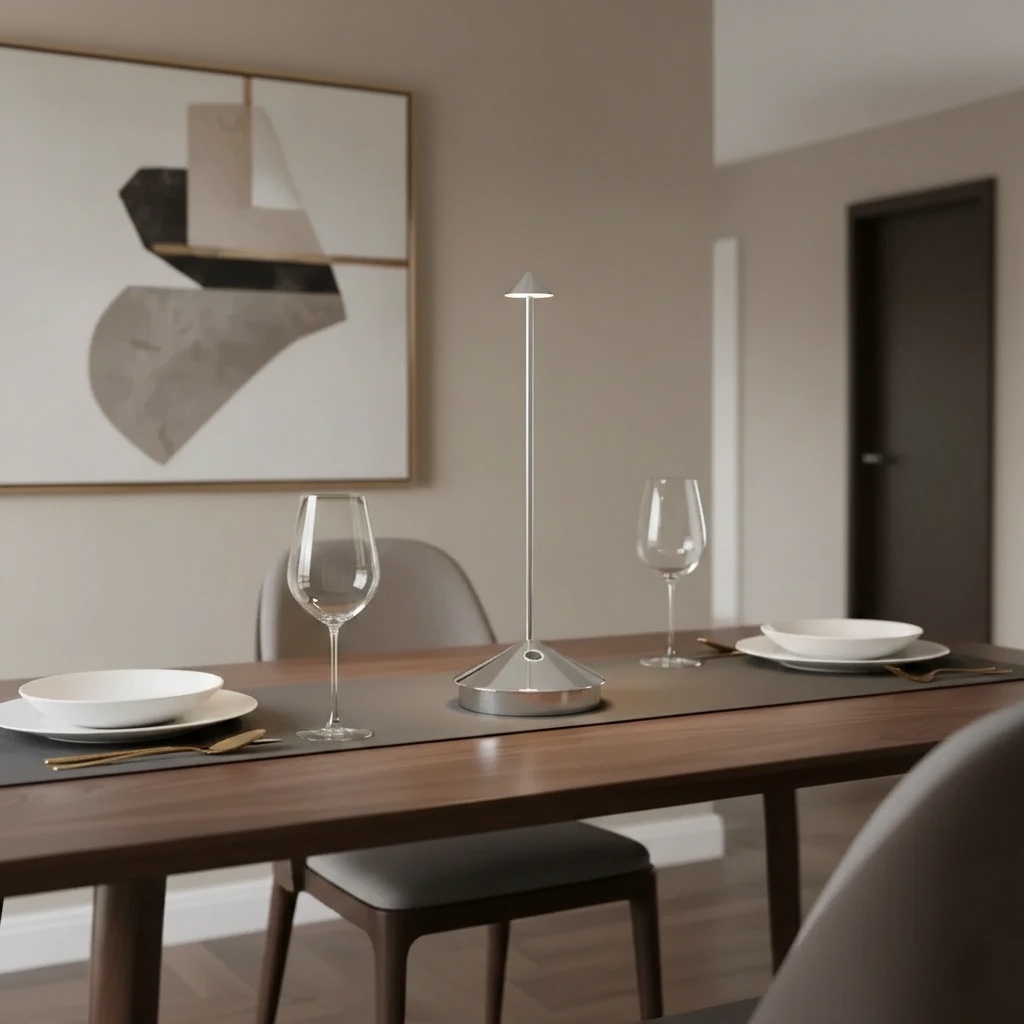
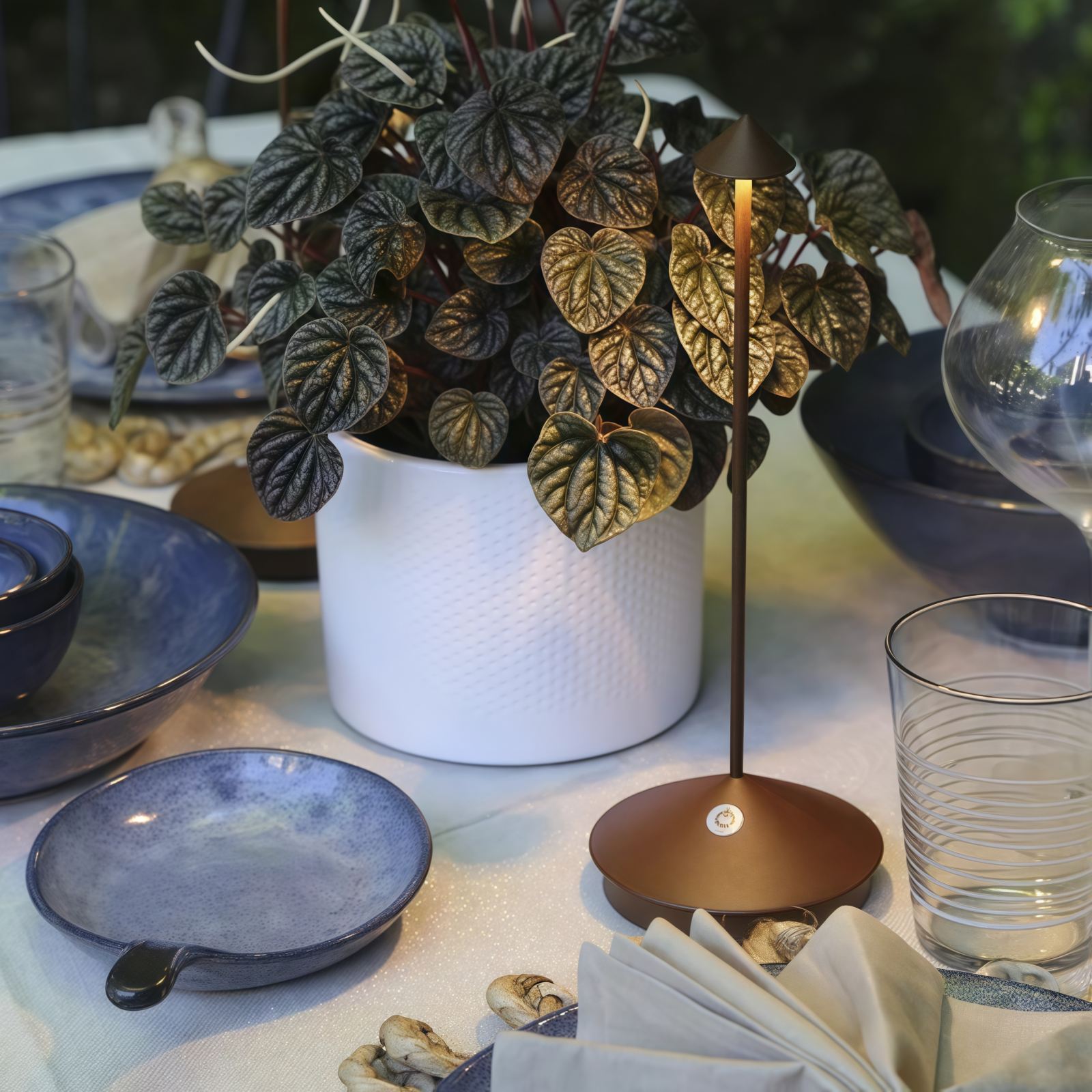
When cooking ends, switch off the strongest work lights, clear the main surface and move the lamp toward the shared food or seating area. The act of moving it is part of the transition. On an island, place it toward one end so platters and elbows still have room. At a dining counter, keep it slightly off the direct line between two faces.
Turn the brightness down until food remains appealing but the background softens. Keep one low ambient source elsewhere in the room so people can move comfortably. If the surface is long, two lamps give better balance than one lamp pushed to maximum brightness.
For kitchens that change from work zone to social space, choose a Glimma finish that complements both cabinetry and tableware. The cordless form keeps the dinner setup free of trailing cables.
Mood Four: a quiet midnight route
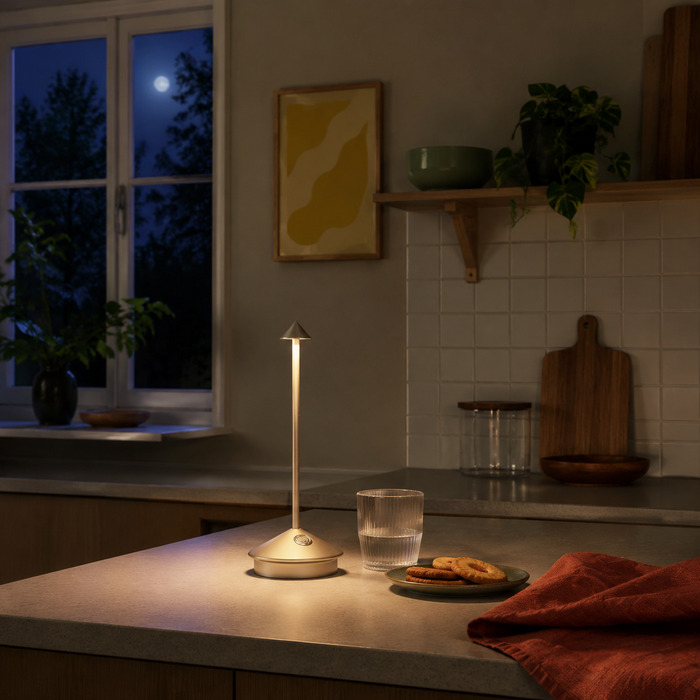
Late at night, the objective is not ambience for an audience. It is calm orientation. Move the lamp to a safe counter location that illuminates the snack, water or medicine area without requiring the main ceiling light. Use the lowest comfortable setting.
Do not carry the lamp like a torch while opening doors or climbing stairs; it is designed as a portable table lamp, not handheld emergency lighting. Place it, use the light, then move with both hands free. If the household needs permanent night navigation, dedicated low-level lighting is a better solution.
Best for: a glass of water, warming a bottle or a quiet snack. Avoid: food preparation that needs colour accuracy or close attention.
Four moods, four simple setups
- Morning: coffee station, low-medium brightness, daylight as the partner.
- Afternoon: shelf or quiet counter, sculptural role, empty space around the base.
- Dinner: island or eating area, medium-low glow, task lighting reduced.
- Midnight: safe dry counter, lowest comfortable setting, a clear walking route.
Photograph each setup once you like it. The pictures become a practical household guide, especially when several people move the lamp. Marking one charging location also prevents the cable from becoming part of every scene.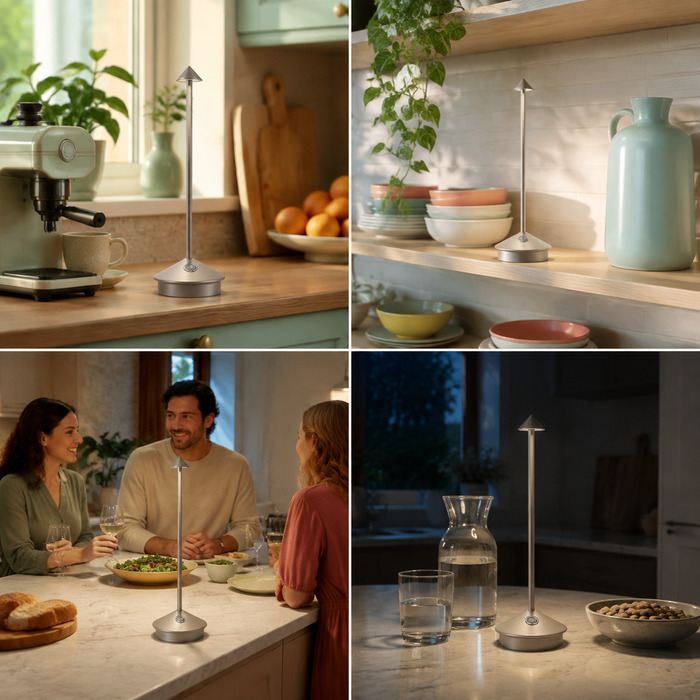
Colour can turn the routine into a personality
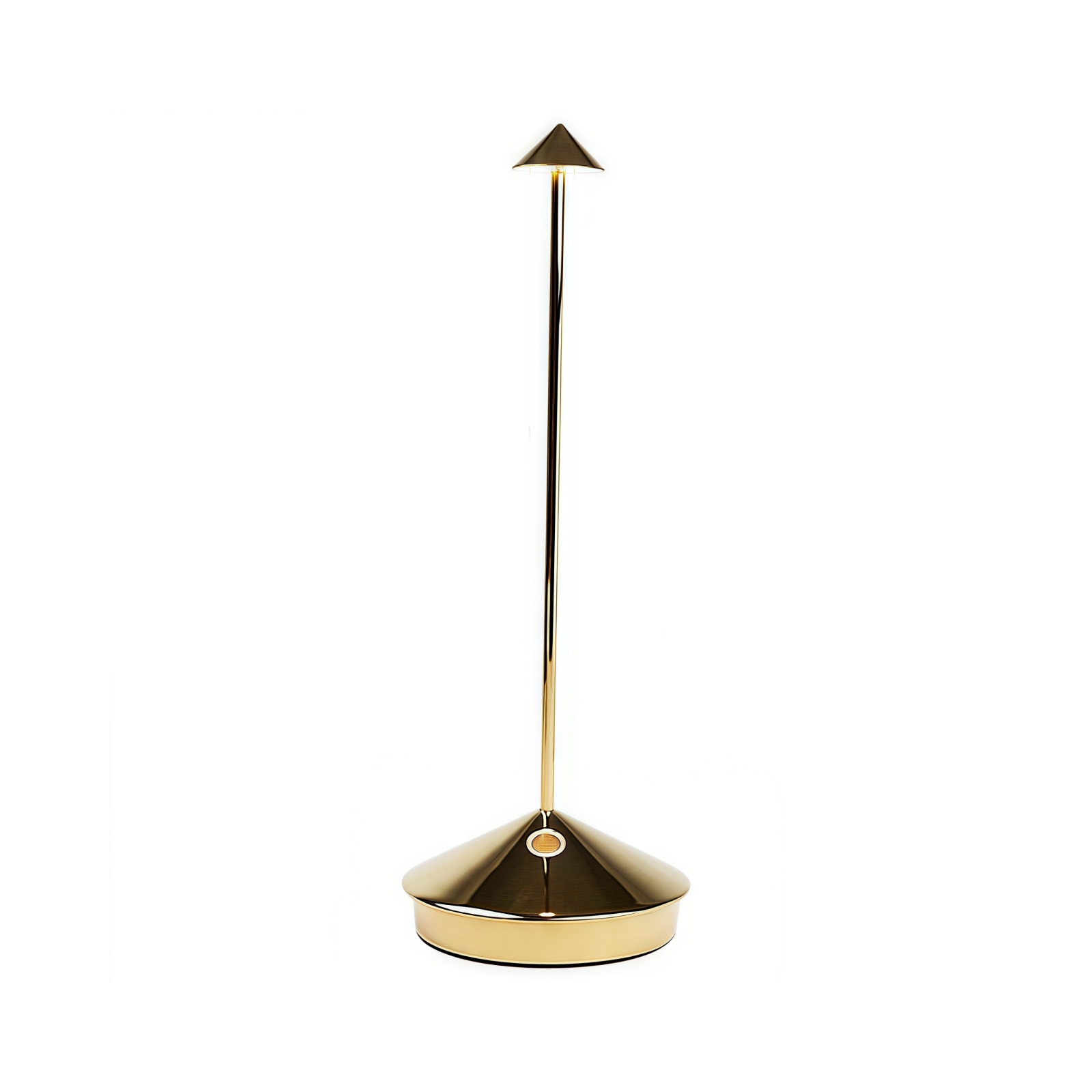
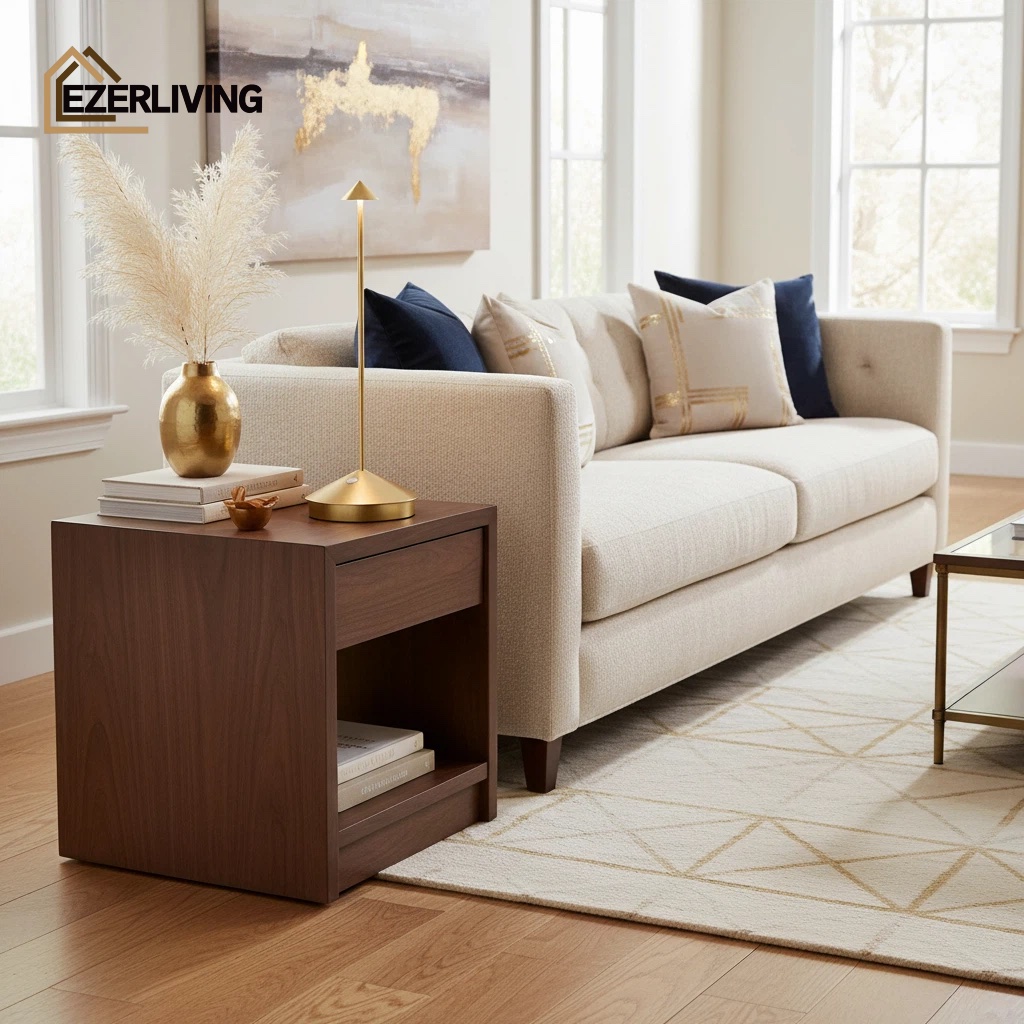
A portable lamp is one of the easiest kitchen accents to change because it does not require paint, wiring or new cabinetry. Neutral finishes make the transitions nearly invisible. A colour such as sage creates a small moment of optimism, while gold or chrome adds energy when guests arrive.
If entertaining is the main reason you want the lamp, continue with Colour at the Table: How Small Lamps Power Dopamine Hosting. It shows how to use a joyful lamp colour as an anchor without turning the gathering into a rainbow of unrelated props.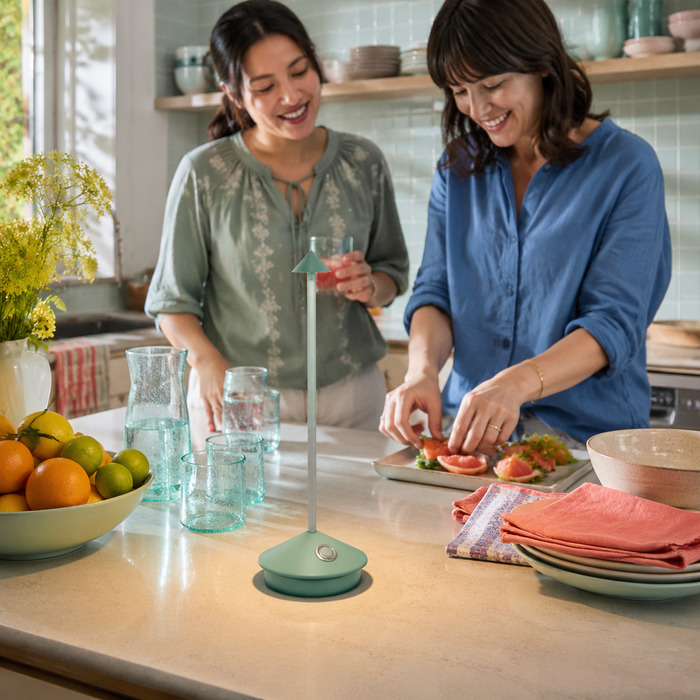
Keep the routine easy enough to repeat
The best lighting plan is one the household will actually use. Avoid complicated scenes requiring ten switches and a full tablescape. One portable lamp, one background light and one task layer are enough for most of these moments. Clean Glimma with a soft dry cloth, keep it away from prolonged heat and strong sunlight, and disconnect it after a full charge.
Ready to give the kitchen a different character after every clock change? View the Glimma Portable LED Lamp and begin with the moment that currently feels most overlit.
Kitchen Mood Checks Before You Move the Lamp
Can a portable lamp light food preparation?
Use proper task lighting for knives, heat and detailed preparation. The lamp is best for atmosphere and lighter activities.
Where is the safest kitchen position?
On a stable, dry surface away from the sink, hob, cabinet doors and busy work routes.
Should I leave it in one place?
No. Its value comes from moving with the kitchen’s changing purpose.
How many lamps suit an island?
One suits a compact end zone; a long social island may need two evenly spaced lamps.
Which brightness works at midnight?
Use the lowest level that clearly shows the immediate surface and route.